Rwanda Explained: From Genocide to Africa’s Fastest Reformer
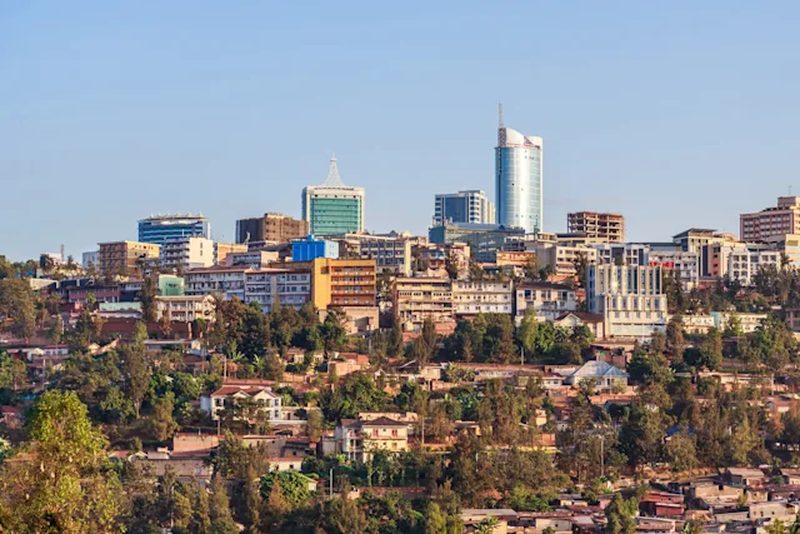
In 1994, Rwanda suffered one of the worst genocides in history: some 800,000 Tutsis and moderate Hutus murdered in 100 days. Three decades later, the country is routinely called Africa’s fastest reformer, with spotless streets, fast economic growth, gender-equal parliament and a reputation for efficiency unmatched on the continent. Rwanda’s transformation under President Paul Kagame is either a development miracle or an authoritarian bargain, depending on who you ask. This explainer traces the journey from genocide to reform, and the controversies around it.
The genocide and its aftermath
The 1994 genocide was the culmination of decades of ethnic division engineered first by Belgian colonisers and then by Hutu-dominated governments. When President Juvenal Habyarimana’s plane was shot down in April 1994, extremists unleashed a state-organised slaughter, killing neighbours with machetes while the world watched and did nothing. The Rwandan Patriotic Front, Kagame’s Tutsi-led rebel army, ended the killing by seizing power. The new government faced a shattered country: a traumatised population, destroyed institutions, and over a million perpetrators and refugees. The decision to pursue both justice and reconciliation, through international tribunals and 12,000 community gacaca courts, was unprecedented.
How the recovery worked
Kagame’s government bet on discipline, technocracy and a zero-tolerance war on corruption. Civil servants are held to performance contracts called imihigo; Kigali became Africa’s cleanest and safest capital; and the country shot up the World Bank’s ease-of-doing-business rankings. GDP growth averaged 7-8 per cent for years. Rwanda invested in universal health insurance, near-universal primary education, and a tourism industry built around mountain gorillas that funds conservation. Women hold the majority of parliamentary seats, the highest share in the world, a legacy of post-genocide demographics and deliberate policy.
The authoritarian bargain
The miracle has an iron frame. Kagame has ruled since 2000, winning elections with 90-plus per cent of the vote in contests observers call neither free nor fair. Opposition figures have been jailed, exiled or killed; the press is tightly controlled; and a 2015 constitutional change lets Kagame potentially rule until 2034. The government justifies control as the price of preventing another genocide in a country where ethnic wounds remain raw. Critics argue the repression now serves power, not healing, and point to Rwanda’s military adventures in eastern Congo, where UN experts have repeatedly accused Kigali of backing the M23 rebels, as evidence of a regime that exports instability.
- GDP per capita has more than tripled since 2000, though it remains low in absolute terms.
- Rwanda has the world’s highest share of women in parliament, over 60 per cent.
- Plastic bags have been banned since 2008; monthly community clean-ups, umuganda, are mandatory.
- Kigali hosts the African Union’s continental free trade secretariat and major conferences.
The development model’s limits
Beneath the gleaming statistics, Rwanda remains poor: most people are subsistence farmers, and inequality between Kigali’s elite and rural areas is stark. The growth model leans heavily on aid, state-directed investment and Kagame’s personal authority, raising questions about what happens when he eventually leaves. The Congo involvement risks sanctions and reputational damage that could undo years of careful branding. And the suppression of dissent means problems, from rural poverty to political discontent, have no legitimate outlet, storing up risks for the future.
What the world should learn
Rwanda demolishes the excuse that African poverty is inevitable: competent, honest government can transform even a genocide-shattered state within a generation. But it also warns that development without freedom is a bargain with an expiry date. The country’s next chapter, succession, genuine political opening, and peace with its neighbours, will determine whether the miracle was a foundation or a facade. For now, Rwanda remains the continent’s most impressive and most debated experiment.
FAQs
What caused the 1994 genocide? Long-standing Tutsi-Hutu divisions, hardened by colonial rule and post-independence politics, exploded into state-organised mass murder after the president’s assassination, killing about 800,000 in 100 days.
Is Rwanda a democracy? It holds elections, but power is concentrated in President Kagame and the RPF; observers describe it as authoritarian with democratic trappings.
Why is Rwanda involved in Congo? Kigali cites security threats from Hutu militias there; UN experts and Western governments accuse it of backing M23 rebels to loot minerals, which Rwanda denies.
From mass graves to model state in thirty years: Rwanda’s arc is unmatched in modern Africa. Whether its methods can outlive its founder, and whether prosperity can survive without freedom, are the questions that will define its next thirty.
Compiled by the Khabar 24h Editorial Desk from publicly available sources.

Khabar 24h Editorial Desk — our explainers are prepared by the Khabar 24h editorial team using AI-assisted research tools, and every piece is reviewed by a human editor before publishing. We do not claim original reporting: our work is turning complex topics into simple, accurate summaries. Spotted an error? Write to contact@khabar24h.com — our corrections policy aims for same-day review.
More from this author →