What Is an Operating System? How Windows, macOS, Android and iOS Differ
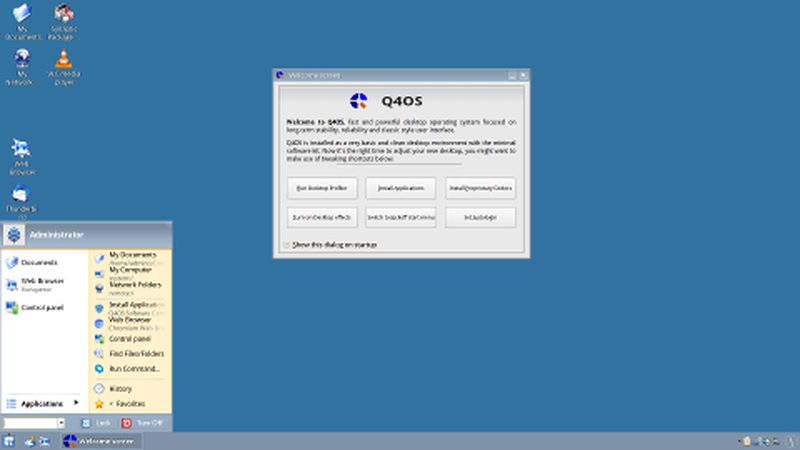
Every digital device you own, the laptop, the phone, the smartwatch, the ATM, runs an operating system, yet almost nobody thinks about it until something goes wrong. The operating system is the master software that manages everything else: it talks to the hardware, runs your apps, guards your files and decides what you see on screen. Windows, macOS, Android and iOS are just different answers to the same job. Understanding what an operating system actually does makes you a smarter buyer, a calmer troubleshooter, and much harder to fool with tech support scams.
What does an operating system actually do?
Think of the operating system as the manager of a busy hotel. When you open an app, the OS finds it a room, a slice of memory, and gives it time with the staff, the processor. It handles the plumbing: reading and writing files to storage, sending data to the screen, speakers and network, and making sure two apps do not trample each other. It enforces security, asking for permissions before an app touches your camera or contacts, and it provides the interface you interact with, the desktop, the taskbar, the home screen, the settings app. Application developers do not write code for your specific hardware; they write for the operating system, which translates their requests into something your particular chip and screen understand. Without it, every app would need to be a hardware engineer.
Windows: the universal default
Microsoft Windows runs on the majority of the world’s personal computers, and its strength is universality. It works on machines from dozens of manufacturers at every price point, from a 30,000-rupee student laptop to a high-end gaming rig, and it runs the broadest software library on earth, including the specialised business, engineering and gaming applications that often exist only on Windows. The trade-offs are well known: its huge user base makes it the biggest target for malware, major updates have a reputation for arriving at inconvenient moments, and the experience varies with the quality of the hardware it ships on. For gaming, for office work, and for maximum choice of affordable hardware, Windows remains the default answer.
macOS: the polished Apple alternative
macOS runs only on Apple’s Macs, and that tight control of hardware and software is its whole philosophy. Because Apple designs both, Macs tend to offer excellent battery life, quiet operation and a consistency Windows cannot match; things like trackpad gestures, sleep and wake, and connecting an iPhone feel seamless. Since Apple’s move to its own M-series chips, Macs have also become performance and efficiency leaders. The limitations are price, Macs start far above budget Windows laptops, and software compatibility: some specialised Windows-only business software and most PC games do not run natively. For creative work, for developers, and for anyone already invested in iPhones and iPads, macOS is a compelling, if expensive, home.
Android vs iOS: the phone duopoly
On phones, the world has settled into two camps. Android, built by Google on an open-source foundation, runs on thousands of phone models from Samsung, Xiaomi, OnePlus, Motorola and others, at prices from under 10,000 rupees to over a lakh. Its strengths are choice, customisation and deep integration with Google services; its weakness is fragmentation, with updates depending on each manufacturer. iOS runs only on iPhones, and like macOS it trades choice for coherence: every supported iPhone gets software updates on day one for years, privacy controls are strong and clearly presented, and apps are tightly curated. iPhones cost more upfront but hold their value longer. In India, Android dominates by volume while iOS owns the premium segment, and the right choice mostly comes down to budget and which ecosystem your other devices live in.
How should you choose?
Most people should choose based on three questions rather than brand loyalty.
- What software must run? Gamers and many professionals need Windows; iPhone owners who want continuity features lean Apple; Android buyers should check update policies.
- What is the budget? Windows and Android span every price; Apple products demand a premium that buys longevity and resale value.
- Who gives you tech support? In many Indian families the “right” operating system is whichever one the resident tech expert in the family already knows.
FAQs
Can a virus infect any operating system? Yes. All operating systems can be compromised; Windows is targeted most because it is commonest, but Mac, Android and iPhone malware all exist. Updates and caution matter everywhere.
What is Linux? A free, open-source family of operating systems popular with developers, servers and enthusiasts. It powers Android and most web servers, and distributions like Ubuntu work well on older laptops.
Do I need antivirus software? Windows includes capable built-in protection that suffices for careful users. Mac, Android and iOS rely more on their app-store curation and permission systems, but no platform makes you invincible.
You do not need to become an operating system enthusiast, but knowing what yours does, and why it differs from the alternatives, pays off every time you buy a device or face a problem. The OS is the foundation everything else stands on; choose it deliberately, keep it updated, and it will quietly do its job for years.
Compiled by the Khabar 24h Editorial Desk from publicly available sources.

Khabar 24h Editorial Desk — our explainers are prepared by the Khabar 24h editorial team using AI-assisted research tools, and every piece is reviewed by a human editor before publishing. We do not claim original reporting: our work is turning complex topics into simple, accurate summaries. Spotted an error? Write to contact@khabar24h.com — our corrections policy aims for same-day review.
More from this author →