How to Verify a Viral Video: Tools to Check If a Clip Is Real
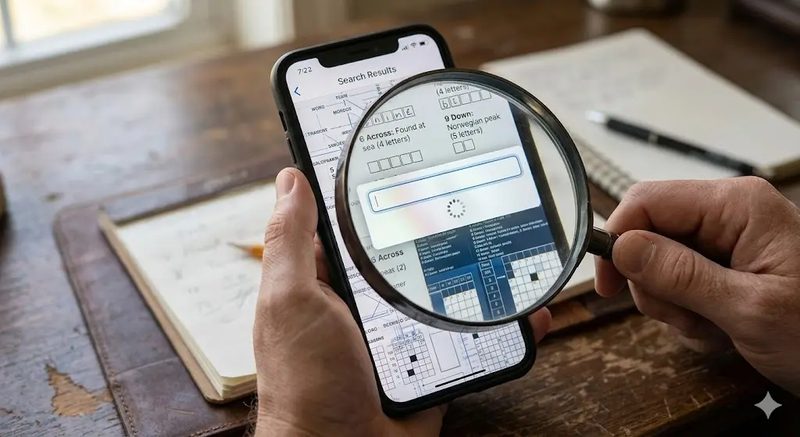
A dramatic video lands in your family WhatsApp group: a flood, a fight, a celebrity saying something shocking. Within hours it has been forwarded thousands of times, outrage and sympathy flowing freely. Days later comes the quiet correction: the clip was from another country, another year, or generated by AI. Viral misinformation now moves at the speed of forwarding, and India, with its hundreds of millions of WhatsApp users, is among its busiest highways. Learning how to verify a viral video before sharing it is a civic skill as basic as looking both ways before crossing the road. Here is how to do it.
Start with scepticism, not software
Most fake viral videos are caught by thinking, not tools. Ask the basic questions first. Does the clip trigger a strong emotion, outrage, pity, pride? Misinformation is engineered to bypass critical thinking through feeling. Is there any source, or just “forwarded many times”? Does the caption’s claim actually match what the video shows? Do details fit: vehicle number plates, shop signs, uniforms, weather, language spoken? A video claimed to show Mumbai but with Arabic signage, or “yesterday’s storm” under a clear blue sky, fails the common-sense test. Check whether any reputable news outlet is reporting it; genuinely dramatic events almost always are. This thirty-second habit filters out the majority of fakes before you touch a single tool.
Reverse image search: the single most powerful technique
If a video is real but old or from elsewhere, reverse image search will usually expose it. Take a screenshot of a clear frame from the video, then search that image on Google Images, Bing Visual Search or TinEye. If the same footage appears in articles from 2019 or from another country, you have your answer: the clip is real footage wearing a false caption, the commonest form of viral misinformation. For videos specifically, tools like InVID let you slice a video into keyframes for searching, and YouTube’s own search can find reuploads. Browser extensions put reverse search one right-click away. Practice this once on a suspicious clip and it becomes a reflex.
Check the metadata and the source
Digital files carry hidden metadata: creation dates, device information, sometimes GPS coordinates. Tools like FotoForensics or metadata viewers can reveal when a photo was actually created, though social media platforms strip most metadata on upload, so this works best on original files. More useful is source tracing: who posted it first? Search distinctive phrases from the caption to find the earliest upload. Check the uploader’s history: a brand-new account posting only sensational content is a red flag. For X and Facebook, advanced search by date can reveal whether the “breaking” clip circulated months ago. And for AI-generated videos, look for the tells: unnaturally smooth skin, flickering hands or teeth, inconsistent lighting, and text that warps in the background, though each generation of AI makes these harder to spot.
Use fact-checking resources
You do not have to verify alone. India has a robust fact-checking ecosystem: Alt News, Boom Live, Factly and The Quint’s WebQoof regularly debunk viral videos, and a quick search of their sites for the video’s keywords often finds the work already done. Internationally, AFP Fact Check and Reuters Fact Check cover global viral claims. WhatsApp tiplines run by several fact-checkers let you forward a suspicious message and get a verdict. Google’s Fact Check Explorer searches the database of professional fact-checks. Bookmark two or three of these; when a relative forwards something explosive, checking takes less time than the argument that follows sharing it.
How to respond when family shares fakes
Verification is only half the battle; the other half is social. Correcting elders or relatives requires tact: mockery entrenches belief, while a gentle private message with evidence works better than a public group takedown. Share the fact-check link rather than just declaring “fake”, and explain the technique briefly, “this video is actually from 2021 in another state”, so they learn the pattern. Pick your battles: correcting everything breeds resentment, but consistently flagging the harmful ones, health misinformation, communal incitement, financial scams, matters enormously. Model the behaviour yourself by visibly checking before you forward; nothing persuades like example.
FAQs
Can AI-generated videos be detected reliably? Not always anymore. Detection tools exist but the arms race favours generators. Provenance standards like C2PA, which cryptographically sign a video’s origin, are the long-term answer; until widespread, scepticism plus source-checking is your best defence.
Is forwarding a fake video illegal? It can be. Sharing misinformation that incites hatred or panic can attract liability under Indian law, and platforms can restrict accounts that repeatedly spread falsehoods.
What is the fastest check I can do? Screenshot a frame and reverse-image-search it. Ten seconds, no expertise needed, and it catches the commonest fakes.
Viral videos exploit our best instincts, to care, to warn, to share, and turn them into vectors for falsehood. A few verification habits, scepticism first, reverse search second, fact-checkers third, keep those instincts pointed at the truth. In the forwarding age, the most radical act is pausing before you press send.
Source: Alt News

Khabar 24h Editorial Desk — our explainers are prepared by the Khabar 24h editorial team using AI-assisted research tools, and every piece is reviewed by a human editor before publishing. We do not claim original reporting: our work is turning complex topics into simple, accurate summaries. Spotted an error? Write to contact@khabar24h.com — our corrections policy aims for same-day review.
More from this author →