Indian Premier League History: From 2008 to the World’s Richest Cricket League
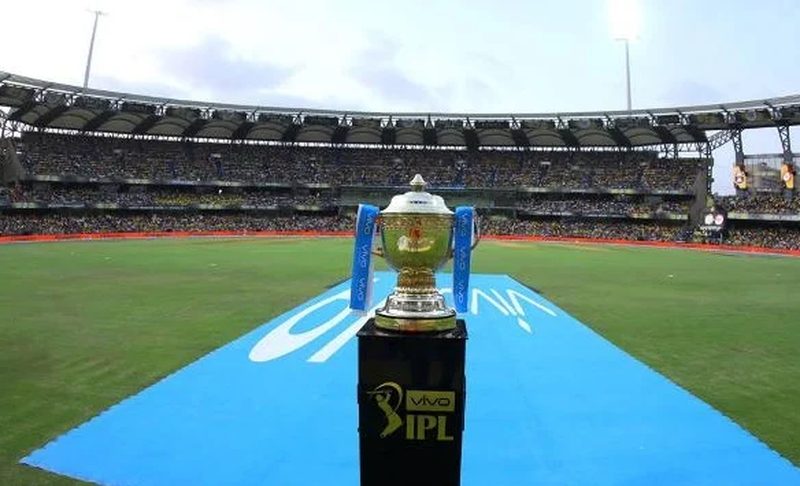
In April 2008, a new cricket tournament began in India amid scepticism, controversy and a fair amount of mockery from the traditional cricket establishment. Eighteen years later, the Indian Premier League is not just the world’s richest cricket league but one of the most valuable sports properties on the planet, a tournament whose media rights sell for billions of dollars and whose two-month window reshapes the entire global cricket calendar. Its history is a story of bold bets, spectacular growth, scandal and reinvention. This is how the IPL went from an experiment to an empire.
The rebel beginning: 2008 and the big bang
The IPL was born from a moment of disruption. When a breakaway league signed up international stars outside the official system, the BCCI responded with characteristic ambition: it would create its own franchise-based T20 league, backed by Bollywood glamour, corporate billions and the full weight of Indian cricket. Eight franchises were auctioned for eye-watering sums, players went under the hammer in a televised auction that felt more like entertainment television than sport, and the first season delivered a perfect script, a last-ball final won by the unfancied Rajasthan Royals. The cricket was thrilling, the crowds were enormous, and the television ratings shattered records. Within a single season, the IPL had proved that franchise T20 could be both a sporting contest and a cultural phenomenon, and every cricket board in the world started planning its own version.
Growth, glamour and the scandals
The league’s first decade was a rollercoaster. Expansion brought new teams and new cities into the fold, while the auction became an annual national obsession, turning uncapped domestic players into overnight millionaires. But the money attracted trouble. A spot-fixing scandal led to the suspension of two franchises and lifetime bans for those involved, and the league’s administration faced court battles and governance crises that threatened its credibility. The IPL survived because the underlying product was too strong to kill: full stadiums, fierce rivalries like Mumbai versus Chennai, and a conveyor belt of young Indian talent that transformed the national team. By the mid-2010s the league had professionalised its operations, tightened its anti-corruption systems, and settled into its rhythm as the undisputed centre of the T20 universe.
The billions: media rights and the money machine
The IPL’s financial ascent reached liftoff with its media rights auctions. The 2023-2027 rights cycle sold for a figure exceeding six billion dollars across television and digital, placing the IPL’s per-match value alongside the NFL and the English Premier League among the richest sports leagues in the world. The money flows through the system in a virtuous circle: franchises earn from the central pool, players earn salaries that dwarf what most international cricket pays, and the BCCI’s coffers fund the domestic game. The auction dynamics are a sport in themselves, with franchises balancing star power, squad roles and salary caps in a high-stakes strategic contest. For players, especially young Indians, a single good IPL season can secure a family’s financial future, which is why the tournament’s talent pipeline now begins in school and club cricket across the country.
How the IPL changed cricket itself
The league’s deepest legacy is not financial but cricketing. It globalised T20 tactics: the data-driven match-ups, the specialist death bowlers, the 360-degree batting, all were stress-tested in the IPL before spreading worldwide. It created a generation of Indian cricketers utterly comfortable on the biggest stages, which is a major reason for India’s white-ball dominance. It gave overseas players a finishing school in pressure cricket and Indian conditions. And it proved that cricket could be packaged as prime-time entertainment without losing its sporting soul, inspiring leagues on every continent. The IPL also changed power dynamics: the BCCI’s financial muscle, built substantially on the league, now shapes the global calendar, with an ever-expanding window that boards and players plan their years around.
- Founded in 2008 with eight franchises; expanded to ten teams.
- The 2023-2027 media rights sold for over six billion dollars, among the highest per-match values in world sport.
- Two franchises were suspended following the 2013 spot-fixing scandal; both later returned.
- Mumbai and Chennai are the league’s most successful franchises.
FAQs
How many teams play in the IPL? Ten franchises currently compete, divided into two groups for the league stage before the playoffs.
When is the IPL played? The tournament occupies a roughly two-month window in the Indian summer, usually April and May.
Why is the IPL so valuable? A huge television and streaming audience, marquee players, and scarcity, just two months a year, combine to make its rights among the priciest in sport.
From rebel experiment to sporting behemoth, the IPL’s journey mirrors the transformation of cricket itself in the 21st century: faster, richer, louder, and utterly unmissable.
Compiled by the Khabar 24h Editorial Desk from publicly available sources.

Khabar 24h Editorial Desk — our explainers are prepared by the Khabar 24h editorial team using AI-assisted research tools, and every piece is reviewed by a human editor before publishing. We do not claim original reporting: our work is turning complex topics into simple, accurate summaries. Spotted an error? Write to contact@khabar24h.com — our corrections policy aims for same-day review.
More from this author →