How the BWF World Tour Works: Badminton’s Tournament Structure Explained
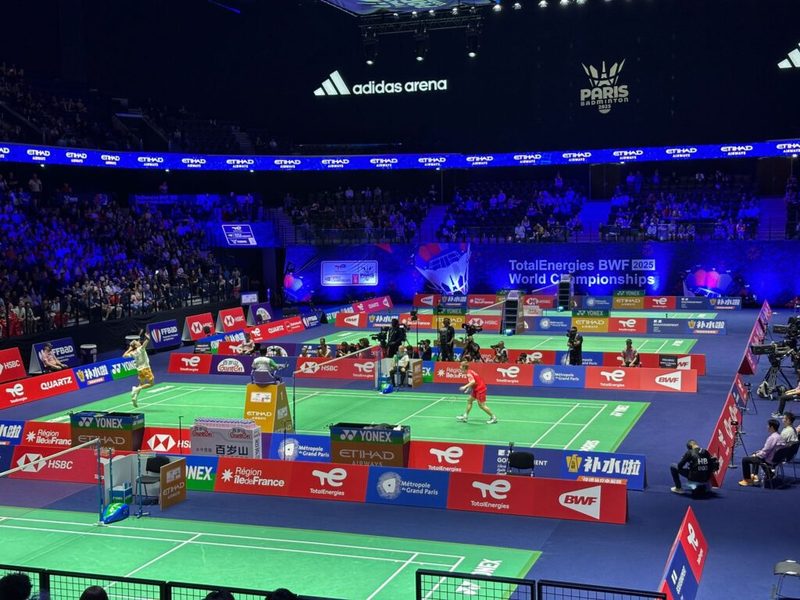
Professional badminton runs on a global circuit that decides who the best players in the world are, and the Badminton World Federation World Tour sits at the heart of it. Launched in 2018 to replace the older Super Series structure, the BWF World Tour is a season-long series of tournaments held across Asia, Europe and beyond, where players earn ranking points and prize money based on how far they progress. Understanding the World Tour is the key to understanding why some players appear in every big final while others spend years grinding through smaller events just to qualify.
What the BWF World Tour actually is
The World Tour is not a single tournament but a calendar of sanctioned events spread across a season, typically running from January to December. Each tournament carries a grade that determines how many ranking points and how much prize money are on offer. Players choose which events to enter based on their world ranking, because the biggest tournaments have limited draws and direct entry goes to the highest-ranked shuttlers. Lower-ranked players must come through qualifying rounds or work their way up from smaller events to earn their place. The season builds toward the World Tour Finals in December, where only the top eight performers in each discipline compete for the biggest prize.
How are the tournaments tiered?
The World Tour uses a tiered system, with Super 1000 at the top and Super 100 at the entry level. The higher the tier, the more ranking points, prize money and prestige are at stake. The structure looks like this:
- Super 1000: The crown jewels of the tour, including the All England Open, the China Open and the Indonesia Open. Only three or four are held each year, and winning one is among the biggest achievements in the sport outside the World Championships and the Olympics.
- Super 750: Major events such as the Denmark Open and the French Open, drawing nearly every top player and offering substantial ranking points.
- Super 500: Important mid-tier tournaments like the India Open and the Korea Open, where rising players can make their mark against established stars.
- Super 300: Events such as the Swiss Open and the Syed Modi International in India, which offer emerging players a realistic route to ranking points and finals.
- Super 100: The entry tier of the tour, where young and lower-ranked players begin building the rankings they need to reach bigger draws.
Below the World Tour sit the International Challenge, International Series and Future Series events, which are not part of the tour but feed into it by giving developing players their first taste of international competition.
How do ranking points work on the tour?
Every tournament on the World Tour awards ranking points to players based on the round they reach, with the winner taking the largest share. A Super 1000 title is worth far more than a Super 300 title, which is why the top players prioritise the biggest events. A player’s BWF world ranking is calculated from their best results over the previous 52 weeks, which means consistency matters as much as occasional brilliance. Points expire after a year, so players must keep performing to defend their ranking. For Indian fans, this explains why a shuttler’s ranking can slide sharply after an injury layoff: the points from old victories simply fall off the rolling calculation.
What is the World Tour Finals?
The BWF World Tour Finals is the season-ending championship, held every December, and it works differently from every other event on the calendar. There are no qualifiers and no wild cards. The top eight players and pairs in each of the five disciplines, men’s singles, women’s singles, men’s doubles, women’s doubles and mixed doubles, qualify based on points earned across the season’s World Tour events. The format uses group stages followed by knockouts, so every qualifier is guaranteed several matches. The prize money is the largest on the tour, and winning the Finals is considered one of the most prestigious titles a player can claim.
Why the tour structure matters for fans
For followers of the sport, the tiered system explains the rhythm of the season. Early in the year, top players often target the big Asian swing of Super 750 and Super 1000 events, while the European autumn features the Denmark and French Opens. Indian tournaments like the India Open and the Syed Modi International give home fans a chance to watch world-class badminton without travelling abroad, and they give Indian players a precious opportunity to earn points in front of supportive crowds. The structure also creates storylines: a qualifier who wins a Super 300 can suddenly jump dozens of ranking places and earn direct entry into Super 500 draws.
FAQs
How many BWF World Tour tournaments are held each year? The calendar typically features around 30 tournaments across the Super 100 to Super 1000 tiers, plus the season-ending World Tour Finals.
What is the difference between the World Tour and the World Championships? The World Tour is a season-long series of events, while the BWF World Championships is a standalone annual tournament that crowns world champions in each discipline.
Do Olympic results count toward the World Tour Finals? No. Qualification for the Finals is based only on points earned at World Tour events during the season, though Olympic medals carry their own ranking points for the world rankings.
Which is the biggest badminton tournament in India? The India Open, a Super 750 event held in New Delhi, is the highest-tier World Tour tournament staged in India.
The BWF World Tour is the engine room of professional badminton: a tiered, season-long contest that rewards consistency, punishes inactivity and funnels the best players on the planet toward one glittering December finale. Once you understand the tiers and the points, every result on the circuit starts to make sense.
Source: BWF World Tour official media guide

Khabar 24h Editorial Desk — our explainers are prepared by the Khabar 24h editorial team using AI-assisted research tools, and every piece is reviewed by a human editor before publishing. We do not claim original reporting: our work is turning complex topics into simple, accurate summaries. Spotted an error? Write to contact@khabar24h.com — our corrections policy aims for same-day review.
More from this author →