Cuba Explained: Revolution, Embargo and Life After the Castros
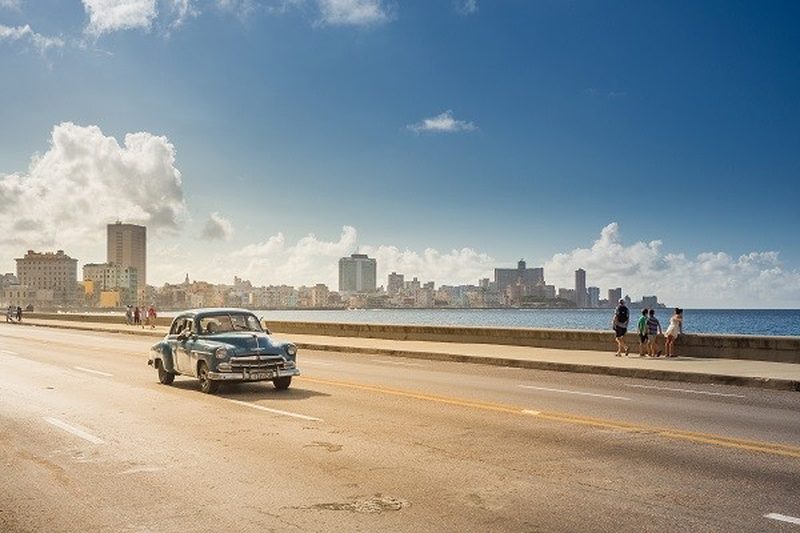
Cuba is a time capsule with a cause: vintage American cars cruise past revolutionary billboards in a country that has been socialist, sanctioned and stubbornly sovereign for over six decades. The 1959 revolution made Cuba a symbol of defiance against the United States; the US embargo made it a byword for economic hardship. With the Castro era over and the economy in its worst crisis since the 1990s, Cuba stands at a crossroads. This explainer covers the revolution, the embargo and life after the Castros.
The revolution
On January 1, 1959, Fidel Castro’s guerrillas toppled the US-backed dictator Fulgencio Batista, promising democracy and social justice. What followed was a radical socialist transformation: land reform, nationalisation of American-owned businesses, and alignment with the Soviet Union, which bankrolled the island for three decades. The revolution’s achievements were real: Cuba built a healthcare system and literacy rates that shamed far richer countries, sending doctors around the world as medical diplomacy. Its failures were equally real: one-party rule, suppression of dissent, and an economy that never learned to stand on its own.
What the embargo does
The US embargo, imposed in stages from 1960 and tightened into law in the 1990s, is the most comprehensive sanctions regime America maintains against any country. It bans most trade, restricts travel and remittances, and penalises foreign companies dealing with Cuba, a reach Havana calls a blockade. Washington says the embargo pressures the regime toward democracy and compensates confiscated American property; Havana blames it for nearly every economic ill. The truth is mixed: the embargo genuinely strangles trade and finance, but the Cuban state’s own mismanagement, from price controls to the disastrous dual-currency system, has done enormous damage too.
Life in today’s Cuba
Ordinary Cubans endure one of the toughest periods in living memory. The collapse of Venezuelan oil aid, COVID’s destruction of tourism, tightened US sanctions and state mismanagement have produced blackouts lasting 12 hours or more, food shortages, medicine scarcity and inflation that wiped out savings. The state still rations basic goods through the libreta booklet, but the rations cover days, not months. A growing private sector, legalised cuentapropista small businesses and recent SME reforms, offers some relief, but entrepreneurs face hostility from a state that fears losing control. The result is the largest emigration wave in Cuban history: hundreds of thousands have left for the US in recent years.
- Population: about 11 million, shrinking as emigration and low birth rates bite.
- The 2021 protests were the largest anti-government demonstrations since the revolution.
- Cuba’s doctors abroad, the medical missions, are a major source of state revenue.
- The dual currency system was abolished in 2021, triggering chaotic inflation.
After the Castros
Fidel Castro died in 2016; his brother Raul stepped down as party chief in 2021, ending 62 years of Castro rule. Power now sits with Miguel Diaz-Canel, a party apparatchik presiding over crisis without the Castros’ revolutionary legitimacy. The government has responded to unrest with a mix of limited economic opening and harsh repression: hundreds of 2021 protesters received long prison sentences. The Communist Party shows no appetite for political reform, betting that controlled economic liberalisation can stabilise the system. Dissidents and exiles bet the opposite: that the system is living on borrowed time.
What comes next?
Cuba’s futures range from Vietnamese-style market reform under one-party rule to chaotic collapse to a democratic transition, and Washington’s policy, oscillating between Obama’s opening and Trump’s tightening, keeps shifting the goalposts. What is clear is that the status quo is unsustainable: an economy that cannot feed its people, a youth that dreams of Miami, and a state that offers neither prosperity nor freedom. The revolution that promised to put Cubans first now presides over their exodus. After six decades of defiance, Cuba’s hardest battle is no longer with Washington but with its own decay.
FAQs
What is the US embargo on Cuba? A comprehensive set of sanctions banning most American trade with Cuba, restricting travel and finance, in place since the early 1960s.
Who governs Cuba now? Miguel Diaz-Canel is president and the Communist Party remains the only legal party; the Castro brothers no longer hold power.
Why do Cubans leave in such numbers? Economic collapse, shortages, blackouts and political repression have driven the biggest emigration wave in the country’s history.
Cuba remains what it has been since 1959: a small island with an outsized place in the world’s imagination. The revolution’s ideals curdled into stagnation, the embargo’s pressure produced endurance rather than change, and the Cuban people, as ever, bear the cost of both.
Compiled by the Khabar 24h Editorial Desk from publicly available sources.
Related stories
View all →
Trump Rejects Iran’s Hormuz Offer as Coalition Downs Houthi Drones
US President Donald Trump has rejected Iran’s seven-day proposal to reopen the Strait of Hormuz, dimming hopes of a diplomatic breakthrough. ‘They…
Jaishankar Flags India’s Russia Sanctions Concerns to Rubio
External Affairs Minister S Jaishankar raised India's concerns over Russia sanctions in talks with US Secretary of State Marco Rubio.
Pezeshkian Calls Out Trump By Name In UN Speech
Iranian President Masoud Pezeshkian directly named Donald Trump in a defiant UN address, declaring "we did not bend the knee" amid rising…

Khabar 24h Editorial Desk — our explainers are prepared by the Khabar 24h editorial team using AI-assisted research tools, and every piece is reviewed by a human editor before publishing. We do not claim original reporting: our work is turning complex topics into simple, accurate summaries. Spotted an error? Write to contact@khabar24h.com — our corrections policy aims for same-day review.
More from this author →