How T20 Cricket Changed Batting: The Rise of 360-Degree Stroke Play
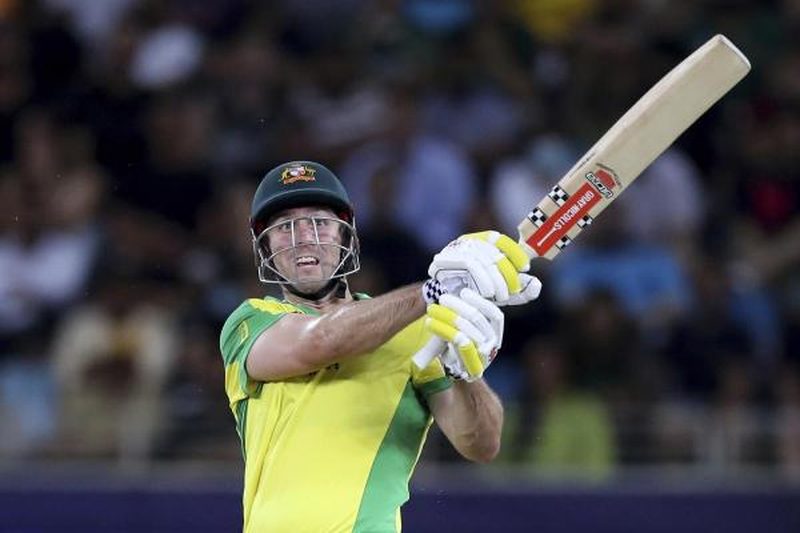
There was a time when coaches taught batters to play in the V, the safe arc between mid-off and mid-on where risk was lowest. T20 cricket has blown that coaching manual to pieces. In less than two decades, the shortest format has produced a batting revolution: players who score all around the wicket, hit sixes for fun, and treat the entire 360 degrees of the field as scoring territory. Shots that were once considered reckless or even impossible are now standard repertoire. This is the story of how T20 changed batting, and what the rise of 360-degree stroke play means for cricket’s future.
Why T20 demanded a new kind of batting
The mathematics of T20 made the old methods obsolete. With only 120 balls per innings, there is no time to play yourself in, no reward for leaving balls, and no innings to rebuild after a collapse. Every ball must either score or threaten to, which means batters have to find boundaries against fields specifically designed to prevent them. The first generation of T20 batters simply tried to hit harder, but brute force has limits against 145 kph bowling and clever fields. The breakthrough was geometric rather than muscular: if the fielding side covers the traditional scoring areas, score where they are not. Batters began deliberately accessing the areas behind the wicket, over the keeper’s head and fine of third man, turning defensive field placements into scoring opportunities. Innovation became a competitive necessity, and the rate of invention has never slowed since.
The 360-degree revolution
The signature of modern T20 batting is scoring everywhere. The ramp and the scoop, flicking fast bowlers over the keeper’s head, turned the area behind the wicket into prime real estate. The switch hit, changing stance mid-delivery to hit as a left-hander, broke the logic of line-based bowling plans. The reverse sweep and reverse slap opened the off side against spin. Batters started moving around the crease before and during the bowler’s run-up, creating angles that turn good balls into hittable ones. The data tells the story: the proportion of runs scored behind square and the frequency of sixes have both soared across T20 leagues, while the classical straight drive, though still beautiful, is no longer the currency it was. The best modern batters are genuinely 360-degree players, able to hit any ball to any part of the ground, which makes them nearly impossible to set a field for.
Power-hitting: the science of the six
Alongside innovation came industrialisation: power-hitting is now a trained skill, not just a gift. Batters work with strength coaches on bat speed, core rotation and lower-body drive, using weighted bats, resistance training and high-speed video analysis. Launch angles and exit velocities, borrowed from baseball, are tracked in training. The modern power-hitter stays leg-side of the ball, clears the front leg, and swings through the line with a stable base, techniques drilled through thousands of repetitions against bowling machines firing at match pace. Teams now employ specialist power-hitting coaches, and academies teach teenagers the biomechanics of the six alongside the forward defensive. The result is a generation of batters for whom clearing the ropes is a percentage shot rather than a gamble, which has pushed par scores relentlessly upward across every T20 competition.
What the revolution means for cricket
The T20 batting revolution has spilled far beyond its format. ODI batting has absorbed the aggression and the innovation, with 400 becoming a realistic target and the last ten overs resembling an extended T20. Even Test cricket has felt the influence, as batters raised on white-ball methods bring positive intent and new shots to the long game. Bowling has been forced to evolve in response, with slower balls, wide yorkers and defensive fields becoming ever more sophisticated. Purists worry that classical technique is being lost, but the evidence suggests something richer: the all-format batter of the future will need the T20 game’s power and invention bolted onto the long game’s defence and patience. T20 did not destroy batting technique; it expanded the definition of what batting can be.
- The scoop, ramp, switch hit and reverse sweep are the signature shots of the T20 era.
- Modern batters train power-hitting with bat-speed tracking, launch-angle analysis and specialist coaches.
- Six-hitting rates and 360-degree scoring have risen sharply across all major T20 leagues.
- The innovations of T20 have flowed back into ODI and even Test batting.
FAQs
What is 360-degree batting? The ability to score runs all around the wicket, including behind the stumps, rather than just in the traditional V in front of the wicket.
Is the switch hit legal? Yes. Batters may change their stance and grip during the bowler’s run-up; umpires judge lbw and wide calls based on the stance at the point of delivery.
Has T20 ruined classical batting? It has changed the skill set, but the best batters combine classical foundations with modern innovation; the two are increasingly complementary.
T20 asked batters an impossible question, score off every ball, and they answered by reinventing the geometry of the game. The 360-degree batter is now the defining figure of modern cricket.
Compiled by the Khabar 24h Editorial Desk from publicly available sources.

Khabar 24h Editorial Desk — our explainers are prepared by the Khabar 24h editorial team using AI-assisted research tools, and every piece is reviewed by a human editor before publishing. We do not claim original reporting: our work is turning complex topics into simple, accurate summaries. Spotted an error? Write to contact@khabar24h.com — our corrections policy aims for same-day review.
More from this author →