How Content Moderation Works Inside Facebook, X and YouTube
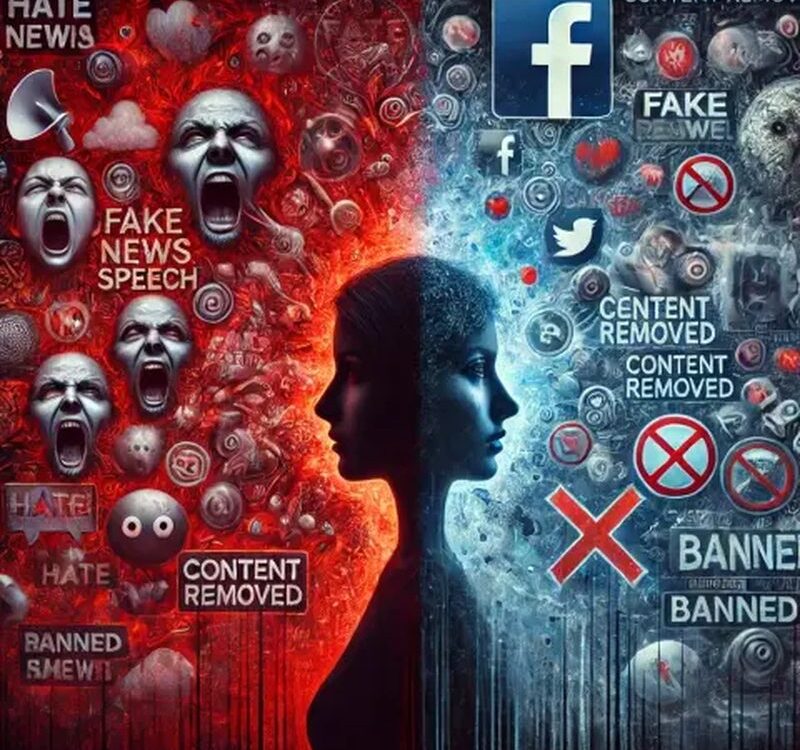
Every minute, hundreds of thousands of posts, videos, images and livestreams flood onto Facebook, X and YouTube. Deciding which of them stay up and which come down, which are true, hateful, dangerous or merely annoying, is one of the largest editorial operations in human history, performed mostly invisibly. Content moderation shapes public conversation for billions of people, yet almost nobody understands how it actually works: the layers of AI filters, the armies of human reviewers, the rulebooks that try to govern speech across a hundred cultures. Here is a look inside the machine.
The scale of the problem
The numbers defeat intuition. Meta’s platforms see billions of pieces of content daily; YouTube receives hundreds of hours of video every minute. No human workforce could review even a fraction of this, which is why moderation is, first and foremost, an automation problem. AI classifiers scan uploads for known violations: terrorist propaganda matched against shared hash databases, child sexual abuse material caught by perceptual fingerprinting, spam and scams flagged by behavioural patterns. These systems act in milliseconds and handle the overwhelming majority of removals before any human sees the content. But AI is a blunt instrument: it struggles with context, satire, new languages and edge cases, which is why the second layer, human review, exists and why it will not disappear.
The humans in the loop
Behind the AI stand tens of thousands of human moderators, many employed through outsourcing firms in cities like Hyderabad, Manila and Dublin. They review the content AI is unsure about, handle user reports, and make the genuinely hard calls: is this post hate speech or political criticism, harassment or rough humour, newsworthy or gratuitous? They work from detailed policy guidelines, rulebooks running to thousands of pages, with seconds per decision and quotas to meet. The work is psychologically brutal; exposure to graphic violence and abuse takes a documented toll, and moderators have sued over working conditions. It is also culturally fraught: a reviewer in one country applying global rules to content from another will inevitably miss context, a structural flaw no guideline fully solves.
How the big platforms differ
Philosophy shapes each platform’s approach.
- Meta (Facebook, Instagram) runs the most elaborate system: layered AI, large reviewer workforces, an Oversight Board that hears appeals on major decisions, and quarterly transparency reports detailing removals.
- YouTube combines automated flagging with human review, using strikes that escalate to channel termination, and gives advertisers controls that effectively moderate through demonetisation.
- X under its current ownership dismantled much of its trust and safety apparatus, leaning on Community Notes, crowdsourced fact-checking, and a “freedom of speech, not freedom of reach” doctrine of limiting distribution rather than removing.
- All three face India’s IT Rules, which require grievance officers, takedown timelines and traceability measures that go beyond what most countries demand.
What gets removed, and what does not
Platforms publish community standards covering hate speech, harassment, graphic violence, misinformation, scams and sexual content, but enforcement is where the controversy lives. Terrorist content and child safety material are removed aggressively and near-universally. Health and election misinformation policies have swung wildly, strict during the pandemic, looser since. Political speech sits in the hardest zone: platforms grant newsworthiness exceptions to leaders’ posts that would get ordinary users banned, drawing accusations of bias from all sides. And much moderation is invisible: downranking, demonetisation and reduced distribution punish content without the drama of removal, which is why creators often feel punished without knowing why.
Can you appeal a moderation decision?
Yes, and you should when it matters. All major platforms offer in-app appeals: a removed post or struck account can be sent for re-review, and a meaningful share of appeals succeed because the first decision was automated or mistaken. Document everything with screenshots, be specific about which rule you believe was misapplied, and stay polite; reviewers are humans processing hundreds of cases. For creators whose livelihood depends on a platform, the practical defence is diversification: never build an audience you cannot reach if one platform’s moderation misfires. India’s grievance redressal rules add another layer: platforms must acknowledge complaints quickly and resolve them within set timelines.
FAQs
Is moderation censorship? Legally, private platforms set their own rules; governments set the outer bounds. Whether specific decisions are justified censorship or necessary governance is the defining free-speech debate of the platform era.
Why do obvious violations stay up sometimes? Scale defeats perfection: AI misses things, human review is backlogged, and high-profile accounts sometimes get slower, more cautious handling.
Do moderators see my reported content? Yes, reported content goes to human reviewers along with context. Reports are confidential; the reported user is not told who reported them.
Content moderation is governance without a government: private rulebooks, enforced by machines and strained humans, shaping what billions can say and see. It will never satisfy everyone, because the underlying disagreements about speech are real. Understanding the machinery at least lets us argue about it honestly.
Compiled by the Khabar 24h Editorial Desk from publicly available sources.

Khabar 24h Editorial Desk — our explainers are prepared by the Khabar 24h editorial team using AI-assisted research tools, and every piece is reviewed by a human editor before publishing. We do not claim original reporting: our work is turning complex topics into simple, accurate summaries. Spotted an error? Write to contact@khabar24h.com — our corrections policy aims for same-day review.
More from this author →