The Role of a Cricket Captain: Field Placements, Bowling Changes and Match Strategy
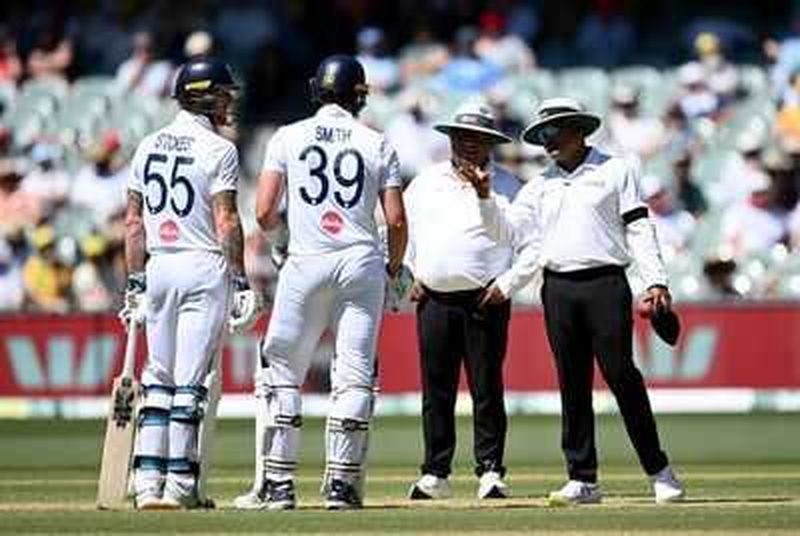
In most team sports the coach calls the shots from the sideline. In cricket, the captain runs the game from the middle, making hundreds of decisions a day with no timeouts and no dugout to consult. Field placements, bowling changes, declarations, reviews: the captain owns them all, while also batting or bowling and managing ten strong personalities under intense pressure. Great captaincy is often described as an art rather than a science, but beneath the instinct lies a deep structure of strategy. This guide breaks down what a cricket captain actually does and how the best in the business do it.
Field placements: the captain’s chessboard
Setting the field is the captain’s most visible craft. For every ball, the captain positions nine fielders (plus bowler and keeper) to do two contradictory things: take wickets and stop runs. The classic attacking field for a fast bowler features slips, a gully and close catchers, inviting the drive and the edge; the defensive one-day field spreads men to the boundary to protect against the big shot. Great captains set fields for the ball they are about to bowl, not the one just bowled, moving a fielder a few metres to exploit a batter’s weakness they have spotted two overs earlier. They think in partnerships with their bowlers: the leg-slip for the flick, the short midwicket for the leading edge, the deep point that turns a cut into a wicket chance. In white-ball cricket, field restrictions constrain the options, which makes the captain’s remaining choices, where exactly to place the men inside the circle, even more telling. The best captains are proactive rather than reactive, and their fields tell a story about the dismissal they are planning three balls ahead.
Bowling changes: timing cricket’s most powerful weapon
If fields are the chessboard, bowling changes are the moves. The captain decides who bowls, from which end, in spells of what length, and when to change. The principles are endlessly debated but broadly understood: strike with your best bowlers when batters are new, use changes of pace and angle to break partnerships, hold back a trump card for the key batter, and never let the game drift. In Tests, the captain manages workloads across days, rotating quicks to keep them fresh and knowing when to throw the ball to a spinner to change the tempo. In T20s, the decisions compress into brutal simplicity: which four overs does each bowler get, who bowls the death, and who takes the gamble over when the set batter is going big. Match-ups, the modern captain’s obsession, pit specific bowlers against specific batters based on data: the left-arm spinner to the right-hander who struggles against turn, the express quick to the tail. The great captains also know when to break the plan, backing a bowler’s gut feel over the spreadsheet when the moment demands it.
Match strategy across formats
Beyond ball-by-ball tactics sits match strategy, and it differs profoundly by format. In Tests, the captain thinks in sessions and days: when to declare, balancing the lead against the time needed to bowl the opposition out; whether to enforce the follow-on or bat again; how to pace an innings on a wearing pitch. Declaration timing is captaincy’s highest-stakes judgement, a calculation of runs, time, weather and nerve. In ODIs, the captain manages the three phases of the innings, protecting the powerplay, controlling the middle overs and attacking the death, while keeping one eye on net run rate. In T20s, strategy is about maximising 120 balls: aggressive batting orders, floating pinch-hitters, and bowling your best overs at the opposition’s most dangerous phase. Across all formats, the captain manages the DRS, deciding in fifteen seconds whether a review is worth burning, a decision that blends reading the game with reading the bowler’s conviction.
The human side: leadership under fire
Tactics win sessions; leadership wins series. The captain is the team’s emotional thermostat, setting the tone with body language, managing bowlers through bad spells, and shielding young players from pressure. The best captains know their people: which bowler needs an arm around the shoulder and which needs a blunt word, when the team needs calm and when it needs a rocket. They handle the media, absorb the criticism that would crush others, and take responsibility for defeats in public while sharing credit for wins. They also manage upwards, dealing with coaches, selectors and boards without letting dressing-room unity crack. It is a lonely job: every decision is televised, every mistake dissected, and the captaincy has broken as many careers as it has made. Those who thrive combine tactical sharpness with the rarest quality in sport, the ability to make ten other people believe.
- Captains make the DRS call, set every field and decide all bowling changes without on-field coaching input.
- Test declarations weigh lead size against time remaining; getting it wrong loses matches.
- White-ball captaincy leans heavily on data match-ups; Test captaincy leans on reading conditions and tempo.
- The wicketkeeper is traditionally the captain’s on-field deputy and tactical sounding board.
FAQs
Can the coach influence decisions during play? No. Coaches cannot communicate tactically with players during play in international cricket; the captain has sole on-field authority.
What makes a good cricket captain? Tactical imagination, calm under pressure, man-management, and the personal performance to command respect. Different eras reward different blends.
Do captains decide the batting order? Yes, in consultation with the coach. Promotions, demotions and nightwatchmen are all captain’s calls.
The captaincy remains cricket’s most fascinating role precisely because it cannot be reduced to data. Instinct, courage and leadership still decide matches, and the captains who master all three become the defining figures of their era.
Source: Wisden

Khabar 24h Editorial Desk — our explainers are prepared by the Khabar 24h editorial team using AI-assisted research tools, and every piece is reviewed by a human editor before publishing. We do not claim original reporting: our work is turning complex topics into simple, accurate summaries. Spotted an error? Write to contact@khabar24h.com — our corrections policy aims for same-day review.
More from this author →