How the Heart Pumps: The Engine of the Human Body
Make a fist: that is roughly the size of your heart, the muscular pump that has been beating since before you were born and will beat about three billion times if you live a full life. Every day it contracts around 100,000 times, pushing some 7,500 litres of blood through 100,000 kilometres of vessels, delivering oxygen and nutrients to every cell and hauling away waste. It does this without rest, without maintenance shutdowns, adjusting its output fivefold between sleep and sprinting. The heart is both a mechanical pump of elegant design and an electrical device with its own pacemaker and wiring, and its failures, from clogged coronaries to faulty valves, are India’s leading cause of death. Understanding how this engine works is the first step to keeping it running.
The four-chambered pump
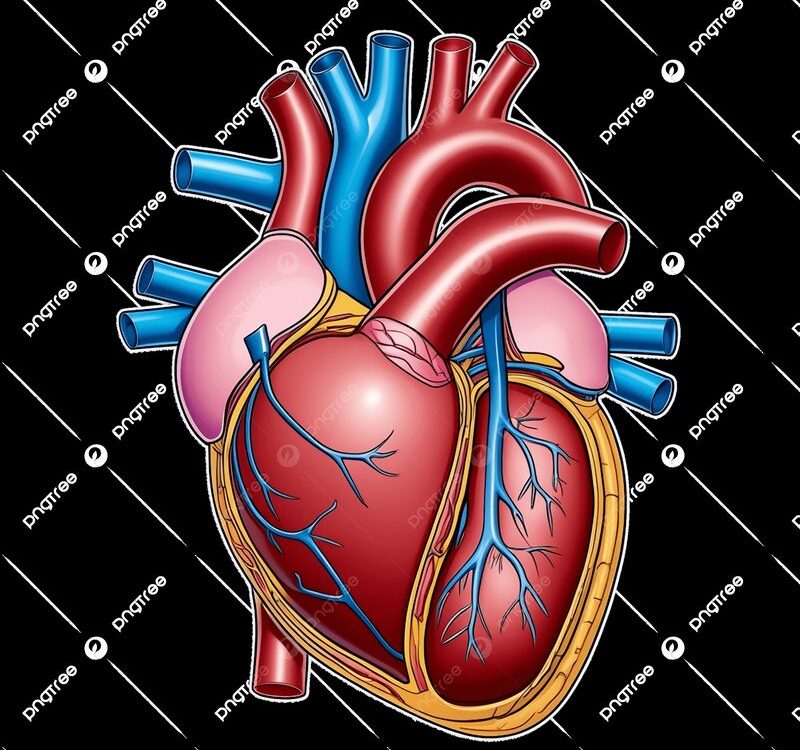
The heart is two pumps in one. The right side receives oxygen-depleted blood from the body and pumps it to the lungs; the left side receives oxygen-rich blood from the lungs and pumps it to the entire body. Each side has an atrium, a receiving chamber, and a ventricle, the muscular pumping chamber, separated by one-way valves that enforce the direction of flow. The left ventricle is the workhorse: its wall is three times thicker than the right’s because it must generate enough pressure to drive blood through the whole body, and with each beat it ejects about 70 millilitres, the stroke volume. Valves, the mitral, tricuspid, aortic and pulmonary, snap shut to prevent backflow; the familiar lub-dub of the heartbeat is the sound of these valves closing. The coronary arteries, the heart’s own fuel lines, branch off the aorta to feed the hardworking muscle itself; when they clog with plaque, the result is a heart attack, the death of starved heart muscle. The design is a masterpiece of plumbing: unidirectional, self-priming, and redundant enough to survive decades of continuous duty.
The electrical system that times every beat
What makes the heart extraordinary is that it beats on its own, without instructions from the brain. The sinoatrial node, a cluster of specialised cells in the right atrium, generates an electrical impulse about 60 to 100 times per minute, the heart’s natural pacemaker. The impulse spreads across the atria, making them contract and top up the ventricles, then pauses at the atrioventricular node, a deliberate delay that lets the ventricles fill, before racing down the bundle of His and Purkinje fibres to trigger the powerful ventricular contraction. This precisely timed sequence, atria first, then ventricles, is what an ECG records, and cardiologists read its spikes and waves like a language to diagnose blocks, arrhythmias and heart attacks. The autonomic nervous system modulates the pace: adrenaline speeds it for fight or flight, the vagus nerve slows it at rest, which is why athletes have resting heart rates in the 40s. When the electrics fail, artificial pacemakers, now miniature devices implanted in millions, take over the timing, one of medicine’s great successes.
Why hearts fail, and how India can protect them
Cardiovascular disease kills more Indians than any other cause, and increasingly at young ages. The dominant mechanism is atherosclerosis: cholesterol-rich plaques build up in coronary artery walls over decades, and when one ruptures, a clot forms and blocks the artery, causing a heart attack. The risk factors are well known and largely modifiable: tobacco, hypertension, diabetes, high LDL cholesterol, obesity, physical inactivity, unhealthy diet, chronic stress and air pollution, which Indian studies increasingly implicate. South Asians face elevated risk at lower body weights and younger ages, with a tendency toward central obesity and insulin resistance, making early screening vital. The good news is that prevention works dramatically: quitting smoking, controlling blood pressure and sugar, exercising 150 minutes weekly, and eating a traditional diet rich in vegetables, legumes and whole grains can prevent most premature heart disease. Treatments have advanced enormously too, from clot-busting drugs and angioplasty stents to bypass surgery and heart transplants. But the cheapest intervention remains knowledge: recognising chest pain, breathlessness and sweating as emergency signals, because in heart attacks, minutes are muscle.
- The heart beats about 100,000 times daily, pumping roughly 7,500 litres of blood.
- The left ventricle’s wall is three times thicker than the right’s to pump blood body-wide.
- The sinoatrial node generates each heartbeat’s electrical impulse 60 to 100 times per minute.
- Cardiovascular disease is India’s leading cause of death, striking increasingly young.
- Air pollution is an emerging recognised risk factor for heart disease in Indian studies.
FAQs
What is a normal resting heart rate? Typically 60 to 100 beats per minute; trained athletes may be in the 40s. Consistently above 100 or below 50 at rest deserves medical attention.
Can heart muscle regenerate after a heart attack? Barely. Unlike some animals, adult human hearts scar rather than regenerate, which is why preventing damage matters so much; stem-cell regeneration remains experimental.
Are heart attacks always painful? No. Silent heart attacks, especially in diabetics and the elderly, can occur with mild symptoms like fatigue or breathlessness, which is why risk-factor control matters.
Three billion beats, no days off, no spare parts: the heart is the most reliable machine you will ever own. Treat it like one, with fuel, exercise and regular servicing, and it will carry you for a century.
Source: World Health Organization

Khabar 24h Editorial Desk — our explainers are prepared by the Khabar 24h editorial team using AI-assisted research tools, and every piece is reviewed by a human editor before publishing. We do not claim original reporting: our work is turning complex topics into simple, accurate summaries. Spotted an error? Write to contact@khabar24h.com — our corrections policy aims for same-day review.
More from this author →