Biofuels Explained: From Ethanol to Algae-Based Jet Fuel
Long before electric cars, there were biofuels: fuels made from recently living things rather than ancient fossils. Today’s biofuels range from the ethanol blended into petrol at pumps across India and Brazil to experimental jet fuels brewed from algae. The pitch is appealing: plants absorb CO2 as they grow, so burning them merely returns that carbon, making biofuels close to carbon-neutral. The reality is messier, tangled in land use, food prices and chemistry. Understanding biofuels means separating genuine climate solutions from greenwashed mirages.
First generation: food into fuel
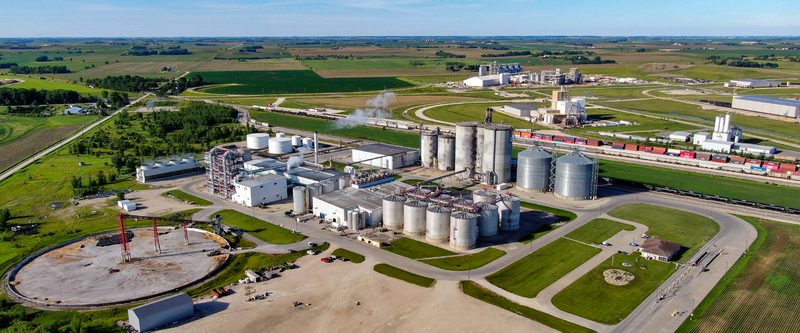
The earliest biofuels are made from food crops. Sugarcane or corn is fermented into ethanol, a process essentially identical to brewing beer, then distilled and blended into petrol; India’s E20 programme aims for 20 percent ethanol blending, largely from sugarcane and grain. Vegetable oils from soybean, palm or rapeseed are converted into biodiesel through transesterification, a chemical reaction with alcohol that yields a diesel substitute. These first-generation fuels work in existing engines and are genuinely renewable, but they compete directly with food production for land and water, and their climate benefit shrinks once fertiliser, tractors and land-use change are counted.
Second generation: waste and wood
Second-generation biofuels dodge the food-versus-fuel dilemma by using inedible feedstocks: agricultural residues like straw and bagasse, forestry waste, and dedicated energy crops grown on marginal land. The chemistry is harder, cellulose and lignin are tough molecules that resist breakdown, requiring pretreatment and specialised enzymes or gasification. But the payoff is real: cellulosic ethanol and biomass-to-liquid diesel can cut emissions far more than first-generation fuels because the feedstock would otherwise rot or burn. India, with its mountains of crop residue, is a natural candidate, turning the stubble that chokes Delhi’s air into fuel instead of smoke.
Third generation: algae and the future
Algae are the dream feedstock: they grow in ponds or bioreactors on non-arable land, can use seawater or wastewater, and produce far more oil per hectare than any crop. Algae-based jet fuel has powered test flights, and the US Navy has trialled algae blends. The catch is cost: growing, harvesting and extracting oil from microscopic algae at scale remains stubbornly expensive, and the energy balance is delicate. After a boom of hype a decade ago, most algae companies pivoted to high-value products like nutraceuticals. Algae fuel remains a long-term bet, not a near-term solution.
The carbon accounting debate
Are biofuels actually carbon-neutral? The honest answer: it depends entirely on how they are made. The core logic holds, the CO2 released in burning was recently absorbed, but the ledger has many lines:
- Land-use change: clearing forest or grassland for biofuel crops releases huge carbon stocks, creating a carbon debt that takes decades to repay.
- Inputs: fertilisers, diesel and processing energy all carry emissions that erode the benefit.
- Co-products: properly crediting animal feed and other byproducts improves the maths considerably.
- Waste feedstocks: fuels from genuine wastes score best, since the carbon would have been released anyway.
Where biofuels make sense
Biofuels are a poor use of prime farmland but a sensible niche elsewhere. Sustainable aviation fuel, made from wastes and residues, is one of the few near-term options for cutting flight emissions. Blending ethanol into petrol cuts oil imports and urban air pollution, a major motive for India’s programme. Biogas from dung and food waste powers rural cooking and buses. The emerging consensus: biofuels should come from wastes and marginal lands, serve sectors that cannot electrify easily, and never displace food production or forests.
FAQs
Does ethanol damage car engines? Blends up to 20 percent work in most modern engines; higher blends need flex-fuel vehicles with compatible materials. India’s E20 rollout includes vehicle compatibility standards.
Are biofuels worse than electric cars? For passenger cars, electrification is far more efficient. Biofuels’ best roles are in aviation, shipping and existing vehicle fleets during the transition.
What about jatropha? Jatropha, once hyped as a miracle biodiesel crop for wastelands, largely failed commercially due to low yields, a cautionary tale about biofuel hype.
Biofuels are neither saviour nor scam: they are a set of technologies with specific, limited, genuinely useful roles. Used wisely, from wastes and residues in hard-to-electrify sectors, they cut emissions. Used carelessly, they devour forests and food. The difference is not chemistry but policy.
Source: International Energy Agency

Khabar 24h Editorial Desk — our explainers are prepared by the Khabar 24h editorial team using AI-assisted research tools, and every piece is reviewed by a human editor before publishing. We do not claim original reporting: our work is turning complex topics into simple, accurate summaries. Spotted an error? Write to contact@khabar24h.com — our corrections policy aims for same-day review.
More from this author →