Soil Science: Why Healthy Soil Matters More Than Extra Fertiliser
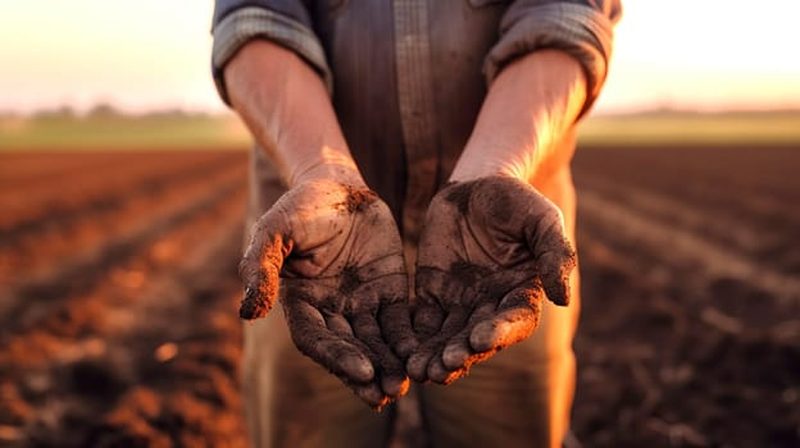
Soil looks like dirt, inert brown stuff that holds plants up. In reality, it is the most biodiverse habitat on Earth and the foundation of terrestrial life: a single teaspoon of healthy soil contains more microorganisms than there are people on the planet, kilometres of fungal threads, and a chemical complexity that rivals the human body. Soil grows 95 per cent of our food, stores more carbon than all vegetation and the atmosphere combined, filters water, and hosts a quarter of all described species. Yet modern farming has treated it as a mere medium for fertiliser, with the result that a third of the world’s soils are degraded. Soil science, pedology married to microbiology and chemistry, is revealing that healthy soil does more for yields, resilience and climate than extra bags of urea ever could. Here is what lies beneath.
What soil actually is
Soil is roughly half solid and half pore space. The solids are minerals, sand, silt and clay in varying proportions, which determine texture and water behaviour, plus organic matter, the decomposed remains of plants and microbes, typically just 1 to 6 per cent by weight but disproportionately important. The pores hold water and air in a delicate balance: roots need both, drowning in waterlogged soil and desiccating in compacted dust. Soil structure, the arrangement of particles into aggregates glued by microbial secretions and fungal hyphae, determines whether rain infiltrates or runs off, whether roots penetrate or hit a hardpan. A living soil is visibly different: dark, crumbly, smelling faintly sweet from geosmin, the microbial compound behind petrichor, the scent of rain on dry earth. India’s diverse soils, from the black cotton regur of the Deccan to the alluvial plains of the Gangetic basin to the red laterites of the south, each have distinct mineralogies demanding distinct management, a fact the Green Revolution’s one-size-fits-all fertiliser prescriptions often ignored.
The living universe underground
The biology of soil is its engine. Bacteria and fungi decompose organic matter, releasing nutrients in plant-available forms; mycorrhizal fungi extend plant root systems a hundredfold, trading phosphorus and water for sugars in one of nature’s great mutualisms. Earthworms are ecosystem engineers, their burrows aerating soil and their castings concentrating nutrients. Protozoa and nematodes graze on bacteria, releasing nitrogen in the microbial loop. This food web does chemistry no factory can match: nitrogen-fixing bacteria pull inert atmospheric nitrogen into living systems, the original green revolution, while diverse microbes suppress soil-borne diseases, which is why healthy soils need fewer pesticides. Tillage, heavy chemical doses and monoculture simplify this web, and degraded soils show it: compaction, crusting, erosion and declining organic matter. Indian research shows many intensively farmed soils have lost half their organic carbon, with direct consequences for water retention and yield stability. Rebuilding soil biology, through compost, cover crops, reduced tillage and diverse rotations, is slow but compounding, like interest on a biological bank account.
Why fertiliser alone fails
The Green Revolution’s fertiliser-centric model saved India from famine but created a slow crisis. Nitrogen use efficiency in Indian fields is often below 35 per cent: most of the urea applied never reaches the crop, instead volatilising into the air as ammonia and nitrous oxide, a potent greenhouse gas, or leaching into groundwater as nitrate, contaminating drinking water across the Indo-Gangetic plain. Phosphorus accumulates uselessly in some soils while others are deficient; potassium is mined and imported at great cost. Excessive nitrogen without organic matter acidifies soils, kills microbial diversity and paradoxically reduces long-term fertility, the treadmill many farmers describe: more fertiliser each year for the same yield. Soil testing, through India’s Soil Health Card scheme, was meant to rationalise doses, though adoption and follow-through remain patchy. The science is clear: fertiliser works best as a supplement to healthy soil, not a substitute for it. Integrated nutrient management, combining organic matter, biofertilisers like Rhizobium and mycorrhiza, and precisely dosed chemicals guided by soil tests, consistently outperforms chemical-only regimes in trials.
- A teaspoon of healthy soil holds more microbes than there are people on Earth.
- Soils store more carbon than all vegetation and the atmosphere combined.
- Nitrogen use efficiency in Indian fields is often below 35 per cent.
- Mycorrhizal fungi can extend plant root systems a hundredfold.
- A third of the world’s soils are classified as degraded.
Soil, climate and the future of farming
Soil is also a climate lever. Regenerative practices that rebuild organic matter, agroforestry, cover cropping, compost application, managed grazing, sequester carbon while improving fertility, a rare win-win. The 4 per 1000 initiative proposes that increasing soil carbon by 0.4 per cent yearly could offset a large share of emissions, though scientists debate the realistic potential. For India, soil health is food security: with holdings shrinking and climate stress rising, only living, water-retentive soils will sustain yields. Programmes promoting natural farming, however debated their extremes, have at least forced attention onto soil biology. The emerging precision agriculture, soil sensors, drone mapping, variable-rate application, promises to dose inputs to the metre. But the foundational insight needs no technology: feed the soil, and the soil feeds the crop. Beneath every harvest is a universe, and its health is the most undervalued asset in agriculture.
FAQs
What is a Soil Health Card? An Indian government scheme testing farm soil for nutrients and recommending fertiliser doses; over 200 million cards have been issued, though usage varies.
Can soil really store carbon long-term? Yes, as stable humus and mineral-associated organic matter lasting decades to centuries, though it saturates and can be lost if practices reverse.
Is organic farming always better for soil? It typically builds organic matter and biology, but yields may be lower; the best systems integrate organic and judicious chemical inputs.
Dirt is what you wash off; soil is what you live on. The science is unambiguous: invest in the universe beneath your feet, and it pays compound interest in every harvest.
Compiled by the Khabar 24h Editorial Desk from publicly available sources.

Khabar 24h Editorial Desk — our explainers are prepared by the Khabar 24h editorial team using AI-assisted research tools, and every piece is reviewed by a human editor before publishing. We do not claim original reporting: our work is turning complex topics into simple, accurate summaries. Spotted an error? Write to contact@khabar24h.com — our corrections policy aims for same-day review.
More from this author →