What Is a Smart Grid, and How Does It Balance Solar and Wind?
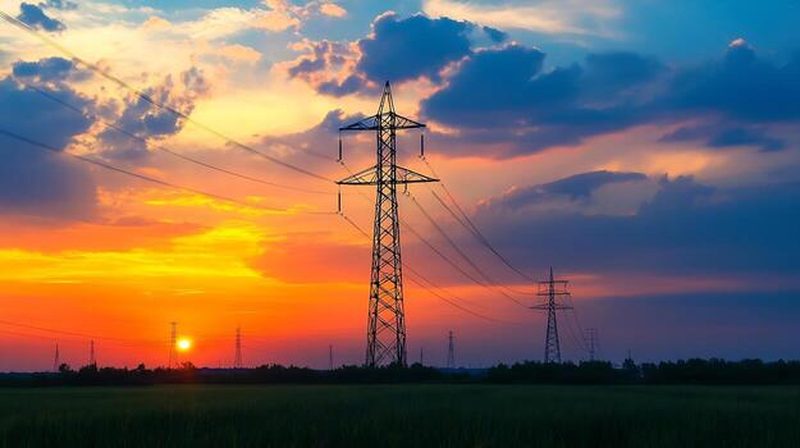
The power grid was built for a world of giant, predictable power stations. Now it must absorb millions of fickle solar panels and wind turbines whose output swings with clouds and weather. The smart grid is the answer: the same physical wires, upgraded with sensors, communications and intelligence that balance supply and demand in real time. It is less a single technology than a transformation, turning a one-way delivery system into a responsive, two-way network. Without it, high levels of renewable energy would be unmanageable; with it, the grid becomes flexible enough for the energy transition.
What makes a grid smart
A traditional grid is largely blind: operators see bulk flows but not what happens at the edges. A smart grid adds eyes and a nervous system. Smart meters report consumption in near real time; sensors on lines and substations monitor voltage, current and equipment health; automated switches can reroute power around faults in seconds. Two-way communication lets the grid talk to devices, not just deliver to them. The intelligence sits in control software that forecasts renewable output, predicts demand and dispatches resources, from batteries to flexible loads, to keep everything balanced second by second.
Balancing solar and wind
Grid operators must match supply to demand every instant; imbalance shows up as frequency drift that can damage equipment. Solar and wind complicate this because they vary and are only partly predictable. The smart grid copes with a toolkit: batteries that inject or absorb power in milliseconds, pumped hydro and other storage for longer swings, flexible demand that shifts consumption to sunny or windy hours, and geographic interconnection, since the wind is always blowing somewhere. Forecasting has become a science of its own, with machine learning models predicting solar and wind output hours ahead from weather data.
Demand response: the other half of the equation
Instead of only adjusting supply, smart grids adjust demand. Time-of-use pricing nudges consumers to run heavy appliances when renewable power is abundant and cheap. Industrial users get paid to briefly cut consumption during peaks. Smart thermostats, water heaters and EV chargers can automatically shift their draw by minutes or hours without anyone noticing. Aggregated across millions of devices, this virtual power plant of flexible demand is equivalent to building new power stations, but cheaper and cleaner. The grid stops being a system that serves passive consumers and becomes a marketplace of responsive participants.
India’s smart grid journey
India’s grid faces the classic smart-grid challenge at continental scale: integrating hundreds of gigawatts of planned solar and wind while cutting the world’s highest distribution losses. Smart metering programmes are rolling out tens of millions of meters to improve billing and reveal theft and losses. Renewable energy management centres forecast wind and solar output to help operators schedule backup. Pilot smart grid projects have tested automation, rooftop solar integration and demand response in several cities. The prize is enormous: a grid that can handle 500 gigawatts of non-fossil capacity without blackouts.
The challenges ahead
Smart grids are not without difficulties:
- Cybersecurity: a connected grid is a hackable grid, and protecting critical infrastructure is paramount.
- Privacy: fine-grained consumption data reveals household habits, demanding strong data protections.
- Cost and coordination: upgrading millions of devices and aligning utilities, regulators and consumers is slow work.
- Interoperability: equipment from countless vendors must speak common standards.
FAQs
Will smart meters raise my bill? They enable time-of-use tariffs that reward shifting usage to cheap hours; engaged consumers typically save, though the benefits depend on tariff design.
Can the grid run on 100 percent renewables? Studies suggest yes, with enough storage, interconnection, demand flexibility and overbuilding; several grids already run on very high renewable shares for hours at a time.
What happens during a blackout? Smart grids can island: disconnecting damaged sections and running local microgrids on solar and batteries until the main grid recovers.
The smart grid is the energy transition’s unsung infrastructure: less glamorous than solar panels, wind turbines or batteries, but the quiet intelligence that lets them all work together seamlessly. The grid of the future will not just carry power; it will sense, decide and think, and that thinking is what makes a renewable world possible.
Source: International Energy Agency

Khabar 24h Editorial Desk — our explainers are prepared by the Khabar 24h editorial team using AI-assisted research tools, and every piece is reviewed by a human editor before publishing. We do not claim original reporting: our work is turning complex topics into simple, accurate summaries. Spotted an error? Write to contact@khabar24h.com — our corrections policy aims for same-day review.
More from this author →