What Is Populism? The Global Rise of Anti-Establishment Politics
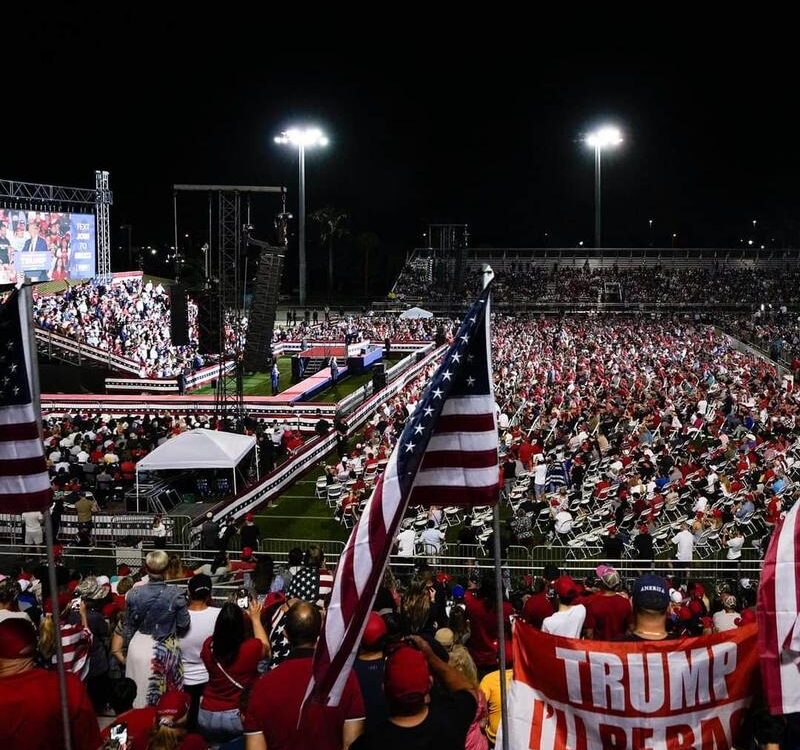
From Donald Trump to Narendra Modi, from Jair Bolsonaro to Viktor Orban, from Mexico’s AMLO to the Philippines’ Duterte — populism is the defining political style of our age. Leaders across the ideological spectrum claim to represent the pure people against a corrupt elite, and voters keep rewarding them. But what exactly is populism: an ideology, a strategy, a threat to democracy — or democracy’s corrective? This explainer dissects the global phenomenon.
What is populism?
Political scientists converge on a minimal definition: populism is a politics that divides society into two homogeneous, antagonistic groups — the pure people versus the corrupt elite — and insists politics should express the people’s general will. Note what this definition does not say: populism has no fixed economic programme or left-right home. Left populists (Chavez, Sanders, AMLO) attack economic elites; right populists (Trump, Orban, Le Pen) attack cultural and political elites, often adding a third enemy — outsiders like immigrants. The common thread is anti-establishment moralism: the system is rigged, only the leader channels the people.
Why did populism surge globally?
The surge has deep roots. The 2008 financial crisis discredited economic elites while austerity punished ordinary citizens; globalisation created winners in cities and losers in hinterlands; the migration crisis strained European welfare states; and social media gave outsiders direct channels to supporters, bypassing establishment gatekeepers. Underneath lies a crisis of representation: large groups feel mainstream parties no longer speak for them. Populists harvest that alienation — and governing establishments, by dismissing populist voters as deplorables, often fertilise it.
How do populists govern?
In power, populists follow a recognisable playbook. They claim a direct mandate from the people that overrides institutional checks; attack the press as enemies of the people; pack courts and electoral bodies; reward loyalists and punish critics; and govern through permanent campaigning — rallies, social media, manufactured crises. Hungary’s Orban pioneered competitive authoritarianism: elections happen but the playing field tilts. Not all populists erode democracy equally — some, like AMLO, left office after losing — but the pattern of institutional stress is consistent enough that scholars treat populism in power as democracy’s stress test.
Is populism always bad for democracy?
The honest answer is more complicated than the alarm suggests.
- The corrective thesis: populists force ignored issues — immigration, deindustrialisation, elite corruption — onto agendas, and can revitalise participation.
- The inclusion record: Latin American left populists expanded welfare and brought the poor into politics.
- The authoritarian drift: in power, populists’ majoritarian logic — we are the people, opponents are illegitimate — corrodes pluralism.
- The establishment’s share: populism thrives where mainstream parties fail; blaming voters misses the cause.
- India’s variant: Modi’s populism blends welfare delivery with majoritarian nationalism — popular, electorally dominant, and contested on institutional norms.
Populism is best understood as democracy’s shadow: it emerges from real failures of representation and expresses real grievances, but its logic — the moral monopoly of the people as defined by the leader — sits uneasily with the pluralism democracy requires. Whether populist episodes renew democracies or wreck them depends on whether institutions bend or break.
Populism and the media ecosystem
Populism’s symbiosis with modern media is structural. Outrage drives engagement, and populists are outrage professionals — every norm broken is content, every elite condemnation proof of persecution. Traditional media face an impossible bind: ignoring populists looks like bias, covering them amplifies them. Meanwhile, encrypted messaging apps and partisan outlets let populist movements organise outside any editorial oversight. The result is a media environment where the populist style — simple, emotional, adversarial — enjoys a home-field advantage that institutional politics struggles to match.
Can democracies inoculate themselves?
Political scientists prescribe mainstream responsiveness: address the grievances populists harvest — insecure work, declining towns, unaccountable elites — before demagogues do. Electoral reforms, from proportional representation to citizen assemblies, aim to make more voters feel heard. But inoculation also requires self-restraint by establishments: each corruption scandal, each technocratic dismissal of popular concerns, is a populist recruiting poster. Democracies defeat populism not by suppressing it but by outgoverning it.
FAQs
Is populism left-wing or right-wing?
Both. Left populists target economic elites; right populists target cultural and political elites. The shared feature is anti-establishment moralism, not economic policy.
What caused the global populist wave?
The 2008 crisis, globalisation’s unequal gains, migration pressures, social media’s bypass of gatekeepers, and a widespread sense that mainstream parties stopped listening.
Do populists always damage democracy?
Not always — some expand participation and leave office peacefully. But the pattern of attacking courts, press and checks in power makes populism democracy’s stress test.
Source: Journal of Democracy

Khabar 24h Editorial Desk — our explainers are prepared by the Khabar 24h editorial team using AI-assisted research tools, and every piece is reviewed by a human editor before publishing. We do not claim original reporting: our work is turning complex topics into simple, accurate summaries. Spotted an error? Write to contact@khabar24h.com — our corrections policy aims for same-day review.
More from this author →