How India’s Vice-President Is Elected: The Electoral College Explained
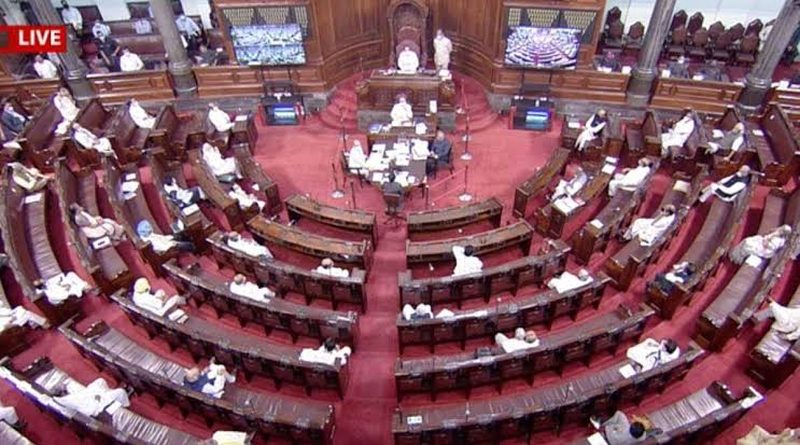
India’s Vice-President holds a unique double role: second in the order of precedence after the President, and ex-officio Chairman of the Rajya Sabha, presiding over the upper House’s proceedings. The election to this office follows a different method from the presidential election, with a smaller electoral college and no role for state legislatures. Here is how it works.
Who elects the Vice-President
Unlike the President, who is chosen by MPs and MLAs together, the Vice-President is elected by an electoral college consisting of the members of both Houses of Parliament, and here nominated members do get to vote. State legislative assemblies play no part. The logic is tied to the office’s main function: since the Vice-President chairs the Rajya Sabha, Parliament alone chooses its presiding officer’s deputy-in-waiting. The electoral college thus comprises all members of the Lok Sabha and Rajya Sabha, elected and nominated alike.
Proportional representation and the single transferable vote
The election is held in accordance with the system of proportional representation by means of the single transferable vote, with voting by secret ballot. Each MP marks preferences among the candidates, and a quota is fixed based on the total valid votes. If no candidate reaches the quota on the first count, the lowest-polling candidate is eliminated and their votes transfer to the next preferences, repeating until someone crosses the quota. As with the presidential election, political parties cannot issue a whip and the anti-defection law does not apply, so MPs vote as individuals.
Eligibility and the conduct of the election
To stand for the office, a candidate must be an Indian citizen, at least 35 years old, and qualified for election as a member of the Rajya Sabha. The candidate also needs proposers and seconders from among MPs and must deposit a security amount. The Election Commission supervises the election, with the Secretary-General of either House serving as Returning Officer. Polling is held in Parliament House, and disputes can be raised only before the Supreme Court.
Term, removal and succession
The Vice-President holds office for five years and is eligible for re-election. Removal is deliberately made difficult but not impossible: a resolution passed by the Rajya Sabha with an effective majority, meaning a majority of the then members, and agreed to by the Lok Sabha, can remove the Vice-President. At least fourteen days’ notice is required before such a resolution is moved. When the President’s office falls vacant due to death, resignation or removal, the Vice-President discharges the President’s functions until a new President is elected, which must happen within six months.
How it differs from the presidential election
- Electoral college: only MPs vote for the Vice-President; MLAs join MPs for the President.
- Nominated members: they vote in the vice-presidential election but not in the presidential one.
- Vote value: every MP’s vote carries equal value in the vice-presidential election, unlike the weighted formula used for the President.
- Role link: the Vice-President’s election is tied to chairing the Rajya Sabha, which is why Parliament alone decides.
The Vice-President’s role in the Rajya Sabha
As ex-officio Chairman, the Vice-President presides over the Rajya Sabha’s sittings, decides points of order, and maintains discipline in the House. The Chairman does not vote in the first instance but exercises a casting vote in the case of a tie. This presiding role is why the election method matters: the Chairman must command the confidence of the House’s members across party lines. In the Chairman’s absence, the Deputy Chairman, who is elected by the Rajya Sabha from among its own members, presides over proceedings.
FAQs
Can the Vice-President be re-elected? Yes. The Constitution places no limit on re-election, and several Vice-Presidents have served more than one term.
Who acts as Chairman of the Rajya Sabha when the Vice-President is acting as President? The Deputy Chairman of the Rajya Sabha presides over the House in that situation.
Is there a minimum vote share needed to win? The winner must secure the prescribed quota of votes under the single transferable vote system, not merely a plurality.
The vice-presidential election is smaller and simpler than its presidential counterpart, but it follows the same constitutional instinct: keep the choice in the hands of legislators, free from party whips, so the office stays above day-to-day political battle.
Compiled by the Khabar 24h Editorial Desk from publicly available sources.

Khabar 24h Editorial Desk — our explainers are prepared by the Khabar 24h editorial team using AI-assisted research tools, and every piece is reviewed by a human editor before publishing. We do not claim original reporting: our work is turning complex topics into simple, accurate summaries. Spotted an error? Write to contact@khabar24h.com — our corrections policy aims for same-day review.
More from this author →