Ayushman Bharat PM-JAY Explained: How the World’s Largest Health Insurance Scheme Works
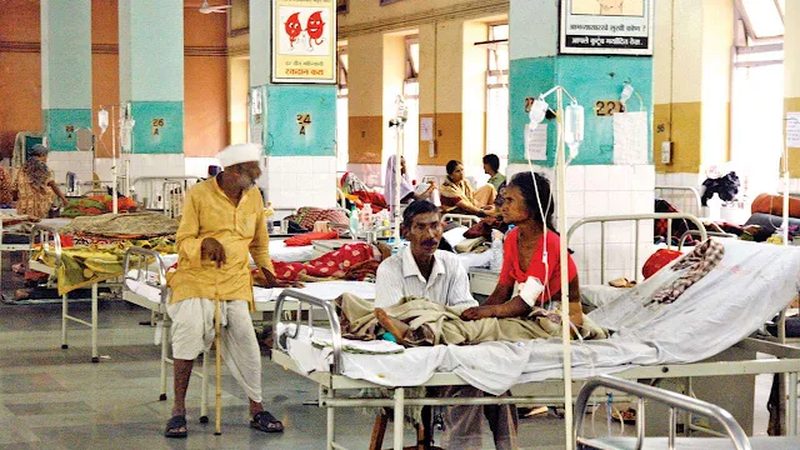
Ayushman Bharat Pradhan Mantri Jan Arogya Yojana, PM-JAY, is the world’s largest health assurance scheme: cashless hospitalisation cover of Rs. 5 lakh per family per year for over 55 crore beneficiaries, roughly the bottom 40 per cent of India’s population. Launched in 2018, it has funded crores of hospital admissions worth tens of thousands of crores, spanning everything from cataract surgery to cancer treatment to COVID care. For families one illness away from destitution, it promises that a hospital bill will not destroy them. This is how the scheme works, and the debates around it.
Who is covered and for what
Eligibility was originally based on the Socio-Economic Caste Census of 2011, identifying deprived rural households and urban occupational categories, with no cap on family size and no age bar; states have since expanded coverage, and in 2024 the scheme was extended to all senior citizens aged 70 and above regardless of income. The cover is Rs. 5 lakh per family per year on a family-floater basis for secondary and tertiary hospitalisation, cashless at the point of service across a network of empanelled public and private hospitals. The package list runs to nearly 2,000 procedures with fixed rates, covering surgery, medicine, diagnostics, and ICU care; pre- and post-hospitalisation expenses are included. Portability is national: a migrant worker from Bihar can use the card at an empanelled hospital in Maharashtra. The design deliberately targets catastrophic expenditure, the hospital bills that push an estimated crores of Indians into poverty each year.
How the money flows
PM-JAY is jointly funded by the centre and states, typically in a 60:40 ratio, and states choose their implementation model: trust mode, where a state agency pays hospitals directly; insurance mode, where premiums go to insurers; or a hybrid. Hospitals raise claims on a central IT platform with defined packages and turnaround times; pre-authorisation is required for many procedures to control fraud. The fixed package rates are the scheme’s economic core: they make costs predictable for the exchequer but have been contentious with private hospitals, which argue that rates for many procedures are below cost, leading some premium hospitals to stay out or to limit Ayushman beds. The government has revised rates periodically and added incentives for quality accreditation. The fiscal scale is large and growing: annual expenditures run into thousands of crores, making PM-JAY one of the world’s biggest government health purchasers.
What it has achieved
The headline numbers are impressive: crores of hospital admissions authorised, with the scheme’s data showing significant uptake in states with strong implementation. Studies and audits suggest the scheme has reduced out-of-pocket expenditure for beneficiaries who use it, particularly for major surgeries and cancer care that would otherwise be unaffordable. It has also formalised a vast hospital market: empanelled hospitals, including many small private nursing homes, now operate within a system of package rates, audits, and quality standards. Portability has served migrants, and the COVID years demonstrated the scheme’s flexibility as it absorbed pandemic hospitalisation. For crores of families, the Ayushman card is the first health security they have ever held, and beneficiary surveys report high satisfaction among those who successfully navigated the system.
Fraud, gaps, and criticisms
The scheme’s scale invites the full catalogue of insurance pathologies. Audits, including by the Comptroller and Auditor General, have flagged ghost beneficiaries, ineligible cards, inflated claims, and hospitals performing unnecessary procedures to harvest packages; the government has de-empanelled hundreds of hospitals and deployed anti-fraud analytics. Access gaps persist: empanelled hospitals cluster in cities, leaving remote areas underserved; awareness remains low among the most marginalised; and the claims process can still defeat the illiterate and the unconnected. The package-rate dispute with private hospitals is structural: rates that make the scheme affordable may make participation unviable for quality providers, risking a two-tier system. Critics also argue that hospitalisation cover, however generous, cannot substitute for primary care: a scheme that pays for surgery but not for the diabetes management that prevents it is treating symptoms. The government’s Health and Wellness Centres, now Ayushman Arogya Mandirs, are the intended complement, but integration is incomplete.
The road ahead
PM-JAY’s next phase is about depth as much as breadth: the 70-plus expansion, state top-ups raising cover beyond Rs. 5 lakh, quality-linked incentives for hospitals, and tighter fraud control through data analytics and beneficiary authentication. The bigger question is systemic: whether India builds the primary-care foundation that makes hospital insurance less necessary, and whether public hospitals, the scheme’s backbone in many states, get the investment to match their load. As the world’s largest health assurance experiment, PM-JAY is watched globally; its successes and failures will shape how developing countries think about universal health coverage. For now, it stands as a landmark promise: that no Indian family should be bankrupted by a hospital bill, and a massive administrative effort to keep it.
FAQs
Who is eligible for PM-JAY? Families identified under SECC 2011 deprivation criteria, expanded state categories, and now all citizens aged 70 and above regardless of income.
What is the cover amount? Rs. 5 lakh per family per year, cashless, for secondary and tertiary hospitalisation at empanelled hospitals.
Can I use it outside my home state? Yes, the scheme is portable across India at any empanelled hospital.
PM-JAY turned health insurance from a middle-class product into a citizenship entitlement for 55 crore Indians. Making the entitlement real, in every district, for every eligible family, is the work of the coming decade.
Compiled by the Khabar 24h Editorial Desk from publicly available sources.

Khabar 24h Editorial Desk — our explainers are prepared by the Khabar 24h editorial team using AI-assisted research tools, and every piece is reviewed by a human editor before publishing. We do not claim original reporting: our work is turning complex topics into simple, accurate summaries. Spotted an error? Write to contact@khabar24h.com — our corrections policy aims for same-day review.
More from this author →