High-Fibre Indian Thali: A Practical Guide for Better Digestion
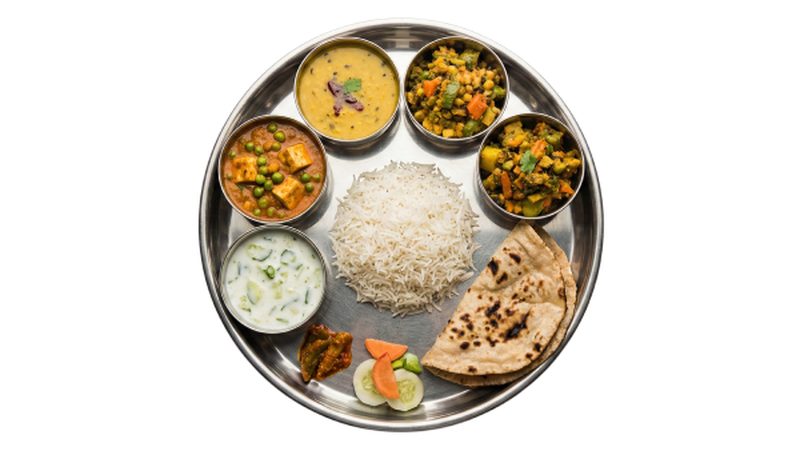
Ask a gastroenterologist what most digestive complaints have in common and the answer is usually fibre, or rather, the lack of it. Constipation, bloating, acidity, irregular bowel habits and even piles trace back, in large part, to diets stripped of roughage. The irony is that the traditional Indian thali was once a fibre masterpiece, built on whole grains, dals, vegetables and salads. Refined flour, polished rice, packaged snacks and hurried meals have eroded it. Rebuilding a high-fibre thali is not about exotic superfoods; it is about restoring the structure of the everyday plate. This is a practical guide to doing exactly that.
Why fibre matters so much
Dietary fibre is the indigestible part of plant foods, and its job description is long. Soluble fibre, found in oats, dals, fruits and vegetables, forms a gel that slows sugar absorption, feeds gut bacteria and helps lower cholesterol. Insoluble fibre, in wheat bran, vegetable skins and whole grains, adds bulk to stool and keeps it moving, which prevents constipation and reduces the straining behind piles and fissures. Fibre also feeds the microbiome, producing short-chain fatty acids that protect the colon lining. Adults need roughly 25 to 40 grams a day; most Indians get barely half. Higher fibre intakes are consistently linked with lower risks of heart disease, type 2 diabetes and colorectal cancer. It is among the cheapest preventive medicines available, and it comes on a plate.
Anatomy of a high-fibre thali
Think of the thali as having fibre stations, each contributing its share. Start with the grain: replace refined flour with whole wheat atta, or better, mix in millet, jowar, bajra or ragi flour, and choose brown or hand-pounded rice over polished white when possible. The dal should be thick and generous, a full katori, since lentils are fibre plus protein in one. Add two vegetable servings: one cooked sabzi with the skin on where edible, and one raw salad of cucumber, carrot, tomato and sprouts. Include a fermented item, curd or buttermilk, which aids digestion alongside. Finish with fruit rather than a sweet: a guava, papaya or orange adds fibre plus vitamins. A thali built this way easily crosses 12 to 15 grams of fibre in a single meal.
Smart swaps that add fibre silently
Overhauling everything at once fails; quiet swaps succeed.
- White rice to brown or red rice: or mix the two to ease the transition.
- Maida to whole wheat: in rotis, parathas and even baking.
- Strained juices to whole fruit: juicing discards almost all the fibre.
- Peeling to scrubbing: eat potato, carrot and cucumber skins after a good wash.
- White bread to whole grain: check that whole grain, not caramel colour, is first on the label.
- Namkeen to roasted chana or peanuts: crunchy, satisfying and fibre-rich.
- One extra sabzi: simply increasing the vegetable portion is the highest-impact move.
Increase fibre the right way
A sudden fibre surge is the classic beginner’s mistake, producing gas, bloating and cramps that convince people fibre does not suit them. The gut needs time to adapt: add one high-fibre item every few days over two to three weeks. Water is non-negotiable, since fibre without fluid can worsen constipation rather than relieve it; aim for 8 to 10 glasses daily. Spread fibre across meals instead of loading it into one. Soaking legumes and discarding the soak water reduces gas-forming compounds, and spices like hing (asafoetida), jeera and ajwain genuinely aid digestion, which is why traditional cooking pairs them with dals. People with IBS or active gut inflammation should increase fibre under medical guidance, favouring soluble fibre first.
What about fibre supplements?
Isabgol (psyllium husk) is India’s favourite fibre supplement and genuinely effective for constipation when taken with plenty of water. But it is a tool, not a lifestyle: food-based fibre brings vitamins, minerals and phytochemicals that husk cannot. Over-reliance on isabgol while continuing a refined diet misses most of fibre’s benefits, including microbiome nourishment and blood sugar control. Use it for travel, illness recovery or stubborn constipation, and build the thali for the long term. Anyone with difficulty swallowing, gut strictures or chronic conditions should check with a doctor before regular use.
FAQs
Does fibre help with acidity? Indirectly. Fibre-rich meals are less likely to cause the overeating and sluggish digestion behind reflux, though active acidity needs its own management.
Can too much fibre be harmful? Beyond about 50 to 60 grams daily, fibre can block mineral absorption and cause persistent bloating; more is not always better.
Is fruit fibre enough without vegetables? Fruit helps, but vegetables, legumes and whole grains provide the bulk and variety the gut needs; all categories count.
The high-fibre thali is not a diet plan but a restoration project, returning the Indian plate to what it always did best. Whole grains, thick dals, abundant vegetables, a salad, curd and fruit: eaten daily, this simple architecture keeps digestion smooth, feeds the microbiome and quietly lowers the risk of the chronic diseases that refined eating invites.
Source: NDTV Food

Khabar 24h Editorial Desk — our explainers are prepared by the Khabar 24h editorial team using AI-assisted research tools, and every piece is reviewed by a human editor before publishing. We do not claim original reporting: our work is turning complex topics into simple, accurate summaries. Spotted an error? Write to contact@khabar24h.com — our corrections policy aims for same-day review.
More from this author →