Period Myths in India: What Doctors Wish Every Woman Knew
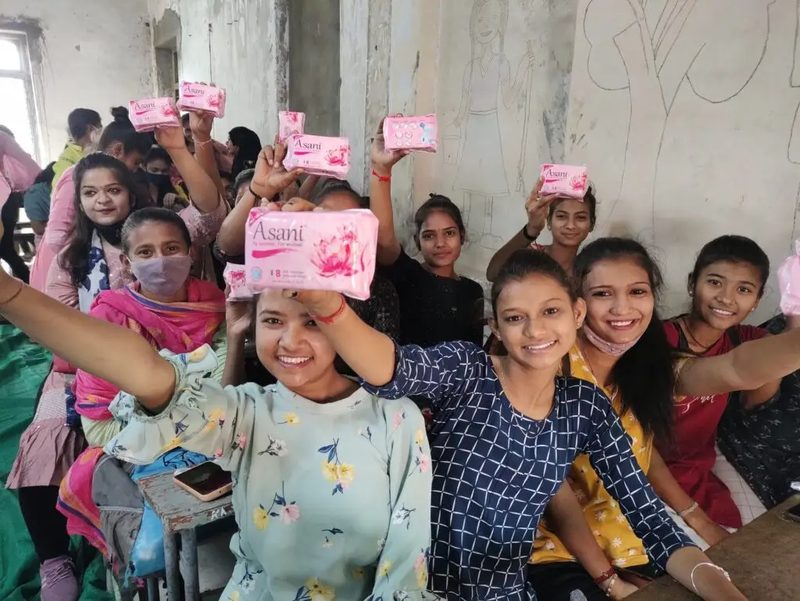
In millions of Indian homes, menstruation still arrives with a rulebook: do not enter the kitchen, do not touch the pickle, do not wash your hair, do not enter places of worship. Girls miss school, women sleep separately, and pain is dismissed as something to be endured silently. Some restrictions are fading in urban India, but surveys show menstrual taboos remain widespread, and the myths do measurable harm: school absenteeism, poor menstrual hygiene, delayed care for disorders, and shame internalised from menarche. Doctors who treat women’s health have a clear message: most of what tradition says about periods is wrong, and what it gets wrong matters.
Myth: menstrual blood is impure
The foundational myth, that menstrual blood is dirty or polluting, underlies the exclusions from kitchens and temples. Biologically, menstrual fluid is blood, uterine lining tissue and vaginal secretions, no more impure than blood from a nosebleed. The impurity framing is cultural, not medical, and it is the engine of shame: girls taught their bodies are polluting each month carry that lesson into adulthood. Doctors stress the reframe: menstruation is a sign of reproductive health, and nothing about it contaminates food, people or sacred spaces.
Myth: you should not bathe or wash your hair
Perhaps the most stubborn practical myth, with zero physiological basis. Warm bathing during menstruation is beneficial: it eases cramps, improves hygiene and comfort. The myth likely originated in eras without private bathrooms or warm water, when bathing was genuinely arduous. Modern gynaecologists actively recommend regular washing, including of the genital area with water, while cautioning against harsh soaps or douching inside the vagina, which disrupt healthy flora at any time of the month.
Myth: exercise and normal activity are harmful
- Exercise: moderate activity reduces cramp severity and premenstrual mood symptoms; athletes train and compete through menstruation.
- Kitchen and cooking: no basis; the pickle will not spoil because a menstruating woman touched it.
- School and work: attendance should be the default; absenteeism reflects inadequate toilets, pain management and stigma, all fixable.
- Hair washing, eating certain foods: no physiological mechanism; eat normally, with attention to iron-rich foods since monthly blood loss depletes iron.
- Swimming: safe with tampons or menstrual cups; water does not enter and cause harm.
What doctors wish women knew about pain
Mild cramps are common, but severe pain that disrupts life is not normal and not something to endure silently. Dysmenorrhoea severe enough to miss school or work deserves evaluation; endometriosis, fibroids and adenomyosis are common, treatable causes diagnosed years late because pain was normalised. Effective treatments exist: NSAIDs taken at the start of pain, heat, hormonal options for severe cases. The cultural instruction to bear it has cost countless women years of treatable suffering. Pain that regularly overwhelms over-the-counter measures is a medical issue, full stop.
Menstrual hygiene: the practical facts
Change pads every 4 to 6 hours, tampons every 4 to 8 hours; menstrual cups, increasingly popular in India, are safe, economical and eco-friendly when sterilised between cycles as instructed. Wash hands before and after changing. Dispose thoughtfully; India’s menstrual waste management remains inadequate, and biodegradable options help. Track cycles with an app or calendar; irregularity, very heavy bleeding, soaking through protection hourly, bleeding between periods, or cycles consistently shorter than 21 or longer than 35 days warrant a gynaecologist’s visit. And anaemia screening matters: heavy periods are a leading cause of iron deficiency in Indian women.
FAQs
At what age should girls learn about periods? Before menarche, ideally around 9 to 10, with factual, shame-free information; mothers, schools and increasingly fathers all have roles.
Are period-syncing or cycle-based diet trends valid? Mostly marketing; eat a balanced diet throughout the cycle, with extra attention to iron and hydration during bleeding.
When is irregularity normal? In the first two years after menarche and in perimenopause; at other times, persistent irregularity deserves evaluation for thyroid, PCOS or other causes.
Menstruation has been managed, celebrated and stigmatised across human history; India’s task is to keep the management, drop the stigma, and add the medicine. The rulebook deserves a rewrite: periods are normal, pain has treatments, hygiene has options, and no bodily function should cost a girl her education or a woman her dignity.
Compiled by the Khabar 24h Editorial Desk from publicly available sources.

Khabar 24h Editorial Desk — our explainers are prepared by the Khabar 24h editorial team using AI-assisted research tools, and every piece is reviewed by a human editor before publishing. We do not claim original reporting: our work is turning complex topics into simple, accurate summaries. Spotted an error? Write to contact@khabar24h.com — our corrections policy aims for same-day review.
More from this author →