How Ticketed Live Shows Price Seats: The Economics of Stage Performances in India
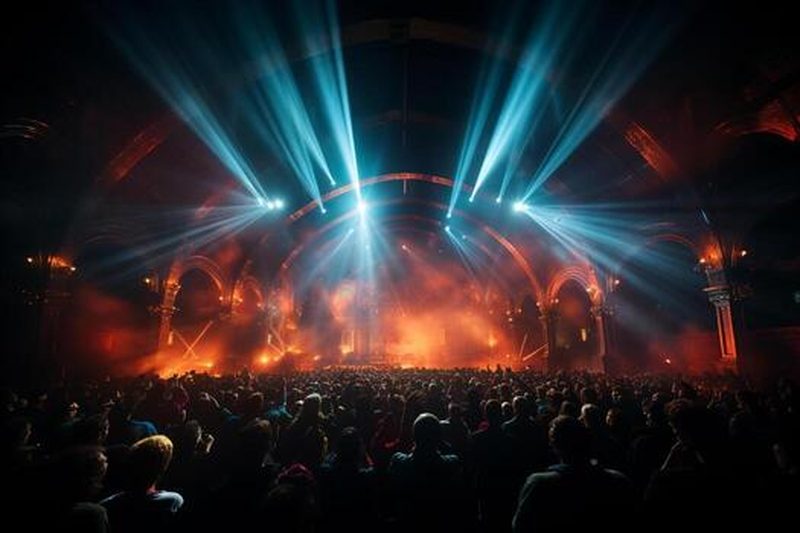
A front-row seat at a superstar concert can cost as much as a short holiday; the same evening’s back rows might go for the price of a pizza. Between those extremes lies a sophisticated pricing science. How ticketed live shows price seats in India, from concerts and comedy tours to theatre and classical performances, reveals the economics of an experience industry where every unsold seat is money lost forever.
The perishable product problem
Live entertainment sells the most perishable product in business: an empty seat after showtime is worth zero, forever. This single fact drives the entire pricing strategy. Promoters must fill the venue without leaving money on the table, balancing the prestige of high prices against the disaster of empty rows. Every pricing decision is a bet on demand made weeks or months before the show.
Costs set the floor. Venue rental, artist fees, production, sound, lights, staging, security, marketing: a large concert’s costs run into crores before a single ticket sells. The break-even math determines the minimum the house must earn, and pricing tiers are engineered backward from that number.
How tiers are built
Modern Indian live shows use tiered pricing that segments the audience by willingness to pay. Premium front sections, often with hospitality add-ons, capture the big spenders; mid-tiers serve the core audience; affordable back sections and early-bird discounts ensure volume. The tiers are as much about psychology as revenue: the existence of expensive seats makes mid-tier prices feel reasonable, and sold-out premium sections generate the buzz that sells the rest.
- Premium/VIP: best views plus hospitality, priced for maximum revenue per seat.
- Mid-tiers: the volume engine, priced for the core audience’s comfort zone.
- Value tiers: affordable sections and early-bird rates that ensure full houses.
- Dynamic adjustments: prices raised as sections sell out, discounted if sales lag.
Dynamic pricing, borrowed from airlines, is increasingly common: algorithms adjust prices based on sales velocity, though Indian audiences still expect transparent, stable pricing for most cultural events.
Sponsorships and the real economics
Tickets rarely tell the whole story. Sponsorships often underwrite a large share of costs, allowing lower ticket prices or bigger productions. Brands pay for naming rights, on-ground activations and the association with the artist; for many large concerts, the sponsor is effectively the show’s co-producer. This is why free and low-priced sponsored shows can afford spectacular production: the audience is the product being sold to the brand.
Ancillary revenue adds up: food and beverage concessions, merchandise, meet-and-greet upgrades, recordings. The modern live show is a small temporary economy, with the ticket as merely the entry point.
What Indian audiences will pay
Pricing reflects a maturing market. Metro audiences now routinely pay thousands for top concerts and comedy tours, a revolution from the days when live shows were expected to be cheap. But price sensitivity remains sharp: overpriced shows flop visibly, and the industry has learned that full houses at fair prices beat half-empty arenas at aspirational ones.
Genre matters enormously. Bollywood concerts and international acts command premiums; classical music and theatre survive on modest pricing and loyal audiences; comedy sits in between, with star comics filling large venues. Each genre’s promoters price to their audience’s expectations, not some universal formula.
Touts, resales and the secondary market
Where demand exceeds supply, the black market follows. Touted tickets for hot shows have long been Indian live entertainment’s shadow economy, with scalpers buying early allocations and reselling at multiples. Digital ticketing brought both problems and solutions: bots now scalp faster than humans, but platforms fight back with verified fan presales, purchase limits, dynamic pricing that captures the premium legally, and blockchain-based tickets that resist duplication. Artists are divided: some embrace dynamic pricing as fair market logic, others cap prices on principle, accepting that touts will profit from the gap. The secondary market also reveals true demand, data that promoters use to size venues and plan tours. Regulation remains light, and enforcement sporadic. For fans, the advice is practical: buy early from official channels, beware inflated resales, and understand that the sold-out show’s real price was set the moment the primary allocation vanished. The tout is the market’s dark mirror, reflecting exactly how much a night is worth.
FAQs
Why do concert tickets have so many price tiers? To capture different willingness to pay: premium buyers subsidise affordable seats, maximising both revenue and attendance.
Do artists get a share of ticket sales? Typically yes, through fixed fees, box-office shares or hybrid deals, with superstars commanding the largest guarantees.
Why are some big shows free? Because sponsors foot the bill, using the event as a marketing platform. The audience’s attention is the product.
Live show pricing is applied psychology with a spreadsheet: every tier, discount and surge is a calculated attempt to fill every seat at the highest sustainable price, before the lights go down and the moment expires.
Compiled by the Khabar 24h Editorial Desk from publicly available sources.
Related stories
View all →
Ramayana Makers Unveil Yash’s Ravana Poster After MrBeast Event
The makers of Ramayana have unveiled a new official poster of Yash as Ravana, following a special promotional event in Mumbai attended…

Dhanush Postpones OM for Rajinikanth’s Jailer 2
Dhanush has postponed his film OM to avoid clashing with Rajinikanth's Jailer 2, saying big films should respect each other.
The Paradise Review: Nani Shines, Tropes Tire
The Paradise review: Nani delivers a standout performance in Srikanth Odela's film, but the story leans on tired, familiar tropes.

Khabar 24h Editorial Desk — our explainers are prepared by the Khabar 24h editorial team using AI-assisted research tools, and every piece is reviewed by a human editor before publishing. We do not claim original reporting: our work is turning complex topics into simple, accurate summaries. Spotted an error? Write to contact@khabar24h.com — our corrections policy aims for same-day review.
More from this author →