How Kolkata’s Film Festivals Shape Bengali Cinema’s Identity
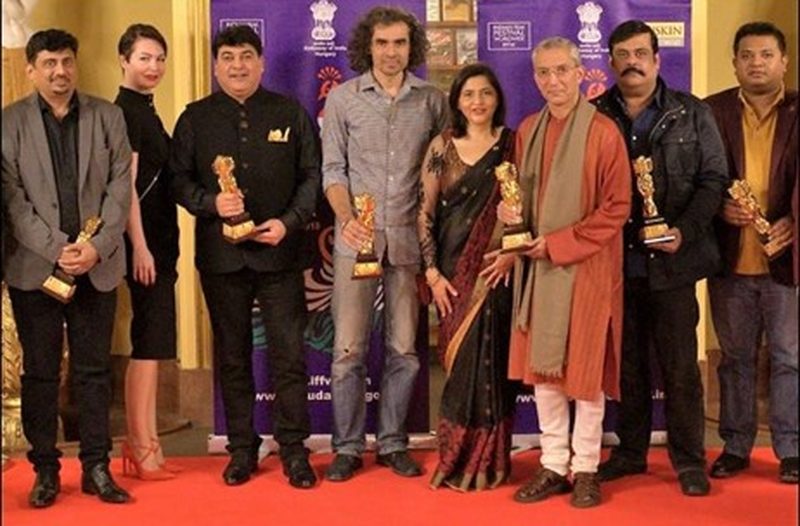
Every winter, Kolkata becomes Indian cinema’s debating chamber. The city’s film festivals — led by the Kolkata International Film Festival — gather filmmakers, critics and audiences for a week of screenings, arguments and retrospection. More than celebrations, these festivals are where Bengali cinema negotiates its identity: between Ray’s legacy and the streaming present, between arthouse purity and commercial survival, between Kolkata’s past and its future.
The festival landscape
The Kolkata International Film Festival (KIFF), organised by the West Bengal government, is the flagship — one of India’s oldest and most prestigious film festivals, screening hundreds of films from dozens of countries. Around it orbit smaller festivals: specialised documentaries, short films, children’s cinema, and independent showcases. Together they make Kolkata, for a few weeks a year, the densest concentration of serious film culture in the country.
The programming reflects the city’s self-image: strong on world cinema classics, retrospectives of masters, and new Bengali work. KIFF’s Bengali panorama — showcasing the year’s local productions — functions as the industry’s annual report card, watched closely by filmmakers and critics alike.
How festivals shape identity
Festivals shape Bengali cinema’s identity in several concrete ways. They set the critical agenda: which films are deemed important, which directors anointed as the future, which trends declared significant. A strong KIFF reception can define a young filmmaker’s career, attracting producers, press and streaming interest. They preserve the legacy: retrospectives and restored classics keep Ray, Ghatak and Sen present in the industry’s consciousness, reminding each generation what the standard is.
They also create the industry’s public sphere. The panel discussions, masterclasses and corridor arguments at festivals are where Bengali cinema talks to itself — about funding crises, about the streaming transition, about whether the industry is dying or reviving. This collective self-examination, uncomfortable as it can be, is part of what keeps the culture serious.
The festival’s functions:
- Showcase: premiering the year’s Bengali films for industry and press.
- Canon-building: retrospectives maintaining the connection to the masters.
- Discovery: launching new filmmakers through selection and awards.
- Debate: panels and discussions shaping the industry’s self-understanding.
- Market: connecting films with distributors, streamers and festival programmers.
The tension at the heart
Kolkata’s festival culture embodies Bengali cinema’s central tension: the reverence for art cinema versus the need for commercial viability. Festival audiences and the arthouse establishment can seem dismissive of the commercial industry that pays most technicians’ salaries; commercial filmmakers can seem resentful of festival darlings who win acclaim without filling theatres. The festivals do not resolve this tension — they stage it, year after year, which may be their most honest function.
Younger filmmakers increasingly refuse the binary, making work that plays festivals and finds streaming audiences — and the festivals have adapted, programming the streaming-era Bengali originals alongside traditional arthouse fare.
Beyond Kolkata
Kolkata’s festivals also serve Indian cinema broadly: they are crucial exhibition windows for independent films from across the country that lack theatrical distribution, and for world cinema that never reaches Indian screens otherwise. For filmmakers from small industries — Assamese, Odia, Manipuri — a Kolkata selection can be the most significant recognition of their careers. The city’s festivals thus function as national infrastructure for serious cinema, not merely a regional celebration.
The festivals’ programming choices ripple into production decisions across the industry. Young Bengali filmmakers openly admit to shaping projects with festival selection in mind — knowing that a KIFF premiere or an international festival berth can unlock streaming deals and critical attention that theatrical release alone would not. The festival market sections, where filmmakers meet distributors and platform executives, have become genuine deal-making venues rather than ceremonial sidebars. In this way, Kolkata’s festivals do not merely reflect Bengali cinema’s identity; they actively finance and direct its future, one selection at a time.
FAQs
What is KIFF? The Kolkata International Film Festival — one of India’s oldest major film festivals, organised by the West Bengal government, screening Indian and world cinema annually.
Do festivals actually help filmmakers’ careers? Yes — selection brings press, industry attention, streaming interest and credibility that can define emerging careers, especially for independent filmmakers.
How do festivals relate to the commercial industry? Uneasily but essentially — they sustain the critical culture and artistic standards that give Bengali cinema its identity, even as the commercial industry funds its infrastructure.
Kolkata’s film festivals are the industry’s mirror and its memory: reflecting what Bengali cinema is, reminding it what it was, and arguing — passionately, publicly — about what it should become. In a film culture as self-conscious as Bengal’s, that argument is not a distraction from the cinema. It is part of the cinema.
Compiled by the Khabar 24h Editorial Desk from publicly available sources.

Khabar 24h Editorial Desk — our explainers are prepared by the Khabar 24h editorial team using AI-assisted research tools, and every piece is reviewed by a human editor before publishing. We do not claim original reporting: our work is turning complex topics into simple, accurate summaries. Spotted an error? Write to contact@khabar24h.com — our corrections policy aims for same-day review.
More from this author →