How Much Sleep You Really Need: Requirements by Age and What Poor Sleep Does
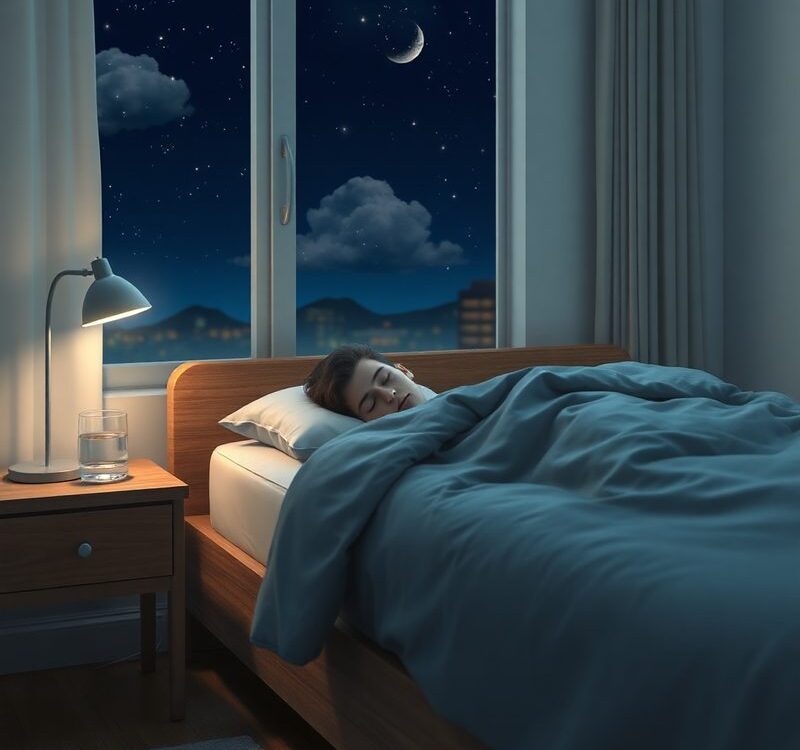
How much sleep you need is not a matter of opinion or lifestyle preference; it is one of the most settled questions in sleep medicine. Adults need between 7 and 9 hours of sleep a night, school-age children need 9 to 12 hours, and teenagers need 8 to 10 hours, according to guidelines from the American Academy of Sleep Medicine and the Sleep Research Society. Yet surveys consistently show that a large share of urban Indians, especially working adults in metros, sleep fewer than 6 hours a night, treating short sleep as a badge of productivity. Sleep researchers are unanimous: chronic short sleep is not a badge of anything except rising risk for some of the most common diseases of our time.
Sleep requirements by age, in detail
Sleep need changes across the lifespan. Newborns need 14 to 17 hours, infants 12 to 16, toddlers 11 to 14, and pre-schoolers 10 to 13 hours including naps. School-age children between 6 and 12 need 9 to 12 hours, teenagers between 13 and 18 need 8 to 10, adults 7 to 9, and older adults 7 to 8 hours. These ranges reflect averages; individual need varies, but the variation is far smaller than most people believe. The common claim that some people are genetically fine on 4 or 5 hours is largely a myth. Studies that give short sleepers cognitive tests find they perform as poorly as people who have been kept awake all night, with one crucial difference: the short sleepers do not feel impaired, because their brains have adapted to the sensation of fatigue while remaining functionally degraded.
Why do so many Indians sleep too little?
Several distinctly Indian factors squeeze sleep. Long commutes in big cities push bedtimes late. Household noise, shared bedrooms and early-morning domestic routines fragment what little sleep people get. Shift work in IT, healthcare, manufacturing and gig work disrupts circadian rhythms for millions. Late-night screen use has added a new layer: blue-enriched light from phones delays the release of melatonin, the hormone that signals bedtime to the brain. Surveys by sleep clinics in Delhi, Mumbai and Bengaluru routinely find that fewer than a third of their patients sleep 7 hours or more. Among teenagers, late-night coaching classes and early school start times create a perfect storm of sleep debt.
What poor sleep does to your body
Sleep deprivation is not merely tiredness. In the short term it impairs attention, reaction time, working memory and emotional regulation. After 17 to 19 hours of continuous wakefulness, cognitive performance resembles that of someone legally drunk. In the long term, habitual short sleep is associated with higher blood pressure, type 2 diabetes, weight gain, heart disease and weakened immune response. One mechanism is hormonal: short sleep raises ghrelin, the hunger hormone, and lowers leptin, the satiety hormone, which is why sleep-deprived people crave high-calorie food. Another is metabolic: even a few nights of restricted sleep reduce insulin sensitivity. Large cohort studies have also linked chronic sleep under 6 hours with higher all-cause mortality.
What about too much sleep?
The curve is U-shaped: consistently sleeping more than 9 to 10 hours is also associated with poorer health, though the relationship is complex. Long sleep is often a marker rather than a cause, reflecting depression, undiagnosed sleep apnoea, thyroid disorders or other illness. The practical point is simple: aim for the 7 to 9 hour window, and if you routinely need 10 or more hours yet still feel tired, that warrants a medical conversation rather than congratulation.
Sleep quality matters as much as duration
Eight hours in bed is not eight hours of sleep if the night is fractured by noise, light, snoring partners or undiagnosed sleep apnoea. Good sleep hygiene, the unglamorous name for consistent sleep habits, is where most people should start.
- Keep a fixed wake-up time, even on weekends; regularity of schedule matters more than people expect.
- Dim lights and put screens away 30 to 60 minutes before bed; the bedroom should be dark, cool and quiet.
- Avoid caffeine after mid-afternoon and heavy, spicy meals close to bedtime.
- Get daylight exposure in the morning; it anchors the circadian clock.
- If you cannot fall asleep within about 20 minutes, get up, do something calm in dim light, and return when drowsy.
Loud snoring, witnessed pauses in breathing, morning headaches and unrefreshing sleep despite adequate hours point to sleep apnoea and need a proper sleep study, not home remedies.
FAQs
Can I catch up on sleep at the weekend? Partially. Weekend lie-ins recover some alertness, but studies show they do not fully reverse the metabolic damage of weekday sleep debt, and wildly irregular weekend schedules confuse the body clock.
Are afternoon naps good or bad? Short naps of 10 to 20 minutes improve alertness and are harmless. Long daytime naps in adults can signal insufficient night sleep or a sleep disorder, and napping late in the day makes night sleep worse.
Do older adults really need less sleep? Slightly less, yes, 7 to 8 hours, but not the 5 or 6 many accept. Fragmented sleep in old age often reflects treatable causes like prostate-related night-time urination or sleep apnoea.
Is 6 hours enough if I feel fine? Probably not. Research consistently shows that people sleeping 6 hours judge themselves unimpaired while performing measurably worse on attention and decision-making tasks.
Sleep is the cheapest health intervention available and the one most Indians short-change. The science has not changed its verdict in decades: protect the 7 to 9 hour window, keep the schedule regular, and treat persistent tiredness as information rather than a personality trait. A health system that treats sleep as a vital sign, alongside blood pressure and blood sugar, would catch an enormous amount of preventable disease early.
Compiled by the Khabar 24h Editorial Desk from publicly available sources.

Khabar 24h Editorial Desk — our explainers are prepared by the Khabar 24h editorial team using AI-assisted research tools, and every piece is reviewed by a human editor before publishing. We do not claim original reporting: our work is turning complex topics into simple, accurate summaries. Spotted an error? Write to contact@khabar24h.com — our corrections policy aims for same-day review.
More from this author →