Question Hour and Zero Hour: How Indian MPs Hold Ministers Accountable
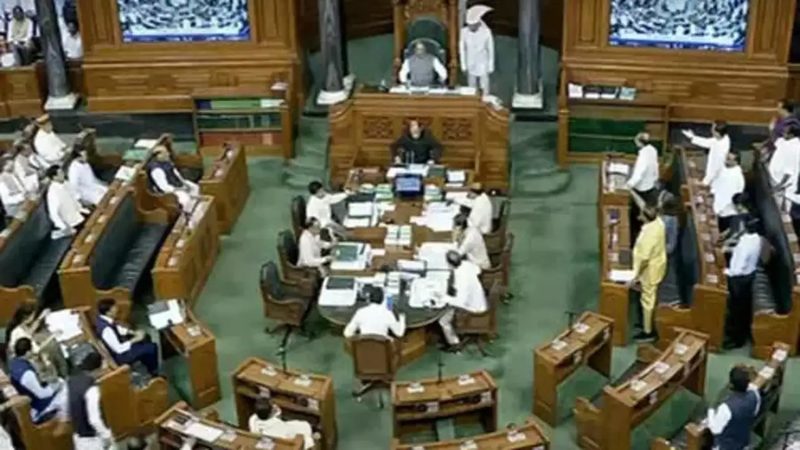
Every sitting day of the Indian Parliament begins with the same ritual: ministers on their feet, answering for their departments before the people’s representatives. Question Hour, and the freewheeling Zero Hour that follows it, are the most visible instruments of executive accountability in Indian democracy. They are where policy meets interrogation, and where governments are forced to explain themselves in public, on the record.
What Question Hour is
Question Hour is the first hour of a parliamentary sitting, devoted to MPs’ questions to ministers. It is governed by detailed rules: questions must be pointed, specific and confined to matters within the minister’s administrative responsibility, and they require advance notice. The Hour is the opposition’s daily opportunity to extract information, expose failures and put ministers on the spot, and its answers become part of the official record, usable in debates, courts and public campaigns for years.
Starred, unstarred and short-notice questions
Questions come in three types. Starred questions are answered orally in the House, with MPs allowed to ask supplementary questions that can turn the session into a genuine cross-examination. Unstarred questions receive written replies, laid on the table, suitable for detailed data that would be tedious to read aloud. Short-notice questions can be asked with less than ten days’ notice on matters of urgent public importance, at the Speaker’s discretion. Ministers dread the starred list: a skilled supplementary can expose an unprepared minister before the entire nation.
Why Question Hour matters
Question Hour does several kinds of democratic work at once. It forces the bureaucracy to prepare: every question triggers a scramble within the ministry to assemble accurate facts, which itself disciplines administration. It creates a public archive of government commitments and data, which journalists and researchers mine constantly. And it gives backbenchers and opposition MPs a platform independent of party leadership. Ministries also maintain registers of assurances given on the floor, and parliamentary committees periodically review whether those promises were actually kept. When Question Hour is disrupted or curtailed, as has happened during contentious sessions, the loss of accountability is felt immediately, which is why its protection is a perennial opposition demand.
What Zero Hour is
Zero Hour is the uniquely Indian innovation that follows Question Hour: an informal, unscripted period when MPs can raise matters of public importance without prior notice. Unlike Question Hour, it is not governed by the formal rules of procedure but by convention, with the presiding officer controlling who speaks. Zero Hour is where breaking issues, from local disasters to national outrages, first erupt in Parliament. Ministers are not obliged to reply immediately, but issues raised here frequently force government responses within days.
How the two hours differ
- Notice: Question Hour requires advance notice; Zero Hour requires none.
- Form: questions follow strict rules and get recorded answers; Zero Hour interventions are informal and discretionary.
- Scope: questions are confined to ministerial responsibility; Zero Hour can raise anything of public importance.
- Obligation: ministers must answer questions; they need not respond to Zero Hour mentions on the spot.
The state of parliamentary accountability
Both hours have faced pressures: disruptions that wash out Question Hour, fewer sittings per year than in Parliament’s early decades, and the increasing use of written replies over oral examination. Reformers have suggested fixed calendars of sittings, protected time for the opposition, and stronger follow-up on assurances ministers give in the House. Yet even in diminished form, the daily ritual of ministers answering to MPs remains one of the clearest expressions of parliamentary sovereignty: the executive explaining itself to the legislature, in public, every single day.
FAQs
Can any MP ask any question? Questions must relate to the minister’s responsibilities, avoid confidential matters and follow rules on form, but within those bounds any member can question any minister.
What is a supplementary question? A follow-up question asked on the floor after a starred question’s oral answer, often the sharpest moment of ministerial scrutiny.
Does Zero Hour exist in state assemblies? Many state legislatures have adopted similar zero-hour conventions, though practices vary by state.
Question Hour and Zero Hour turn Parliament into a courtroom where the government is permanently in the dock, and that daily interrogation is among the strongest guarantees of answerable power in Indian democracy.
Protecting these daily rituals may matter more for accountability than any grand institutional reform.
Compiled by the Khabar 24h Editorial Desk from publicly available sources.

Khabar 24h Editorial Desk — our explainers are prepared by the Khabar 24h editorial team using AI-assisted research tools, and every piece is reviewed by a human editor before publishing. We do not claim original reporting: our work is turning complex topics into simple, accurate summaries. Spotted an error? Write to contact@khabar24h.com — our corrections policy aims for same-day review.
More from this author →