Fatty Liver Disease (NAFLD): Stages, Causes and Whether It Can Be Reversed
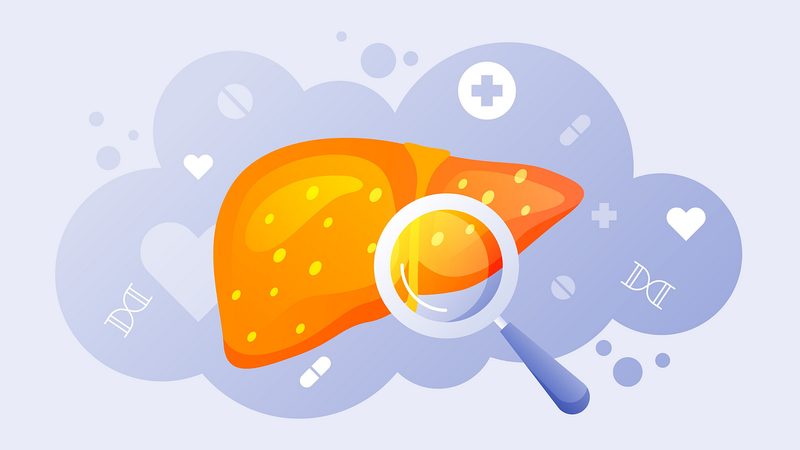
It is the most common liver condition most Indians have never heard of: non-alcoholic fatty liver disease, NAFLD, where fat accumulates in the liver of people who drink little or no alcohol. Estimates suggest it affects a quarter to a third of Indian adults, and the numbers climb with obesity and diabetes. Because the liver suffers silently, most cases are discovered incidentally on an ultrasound done for something else. Left alone, a fraction of cases progress through inflammation and scarring toward cirrhosis and liver cancer. The hopeful part: in its early stages, fatty liver is among the most reversible conditions in medicine, responding to the same lifestyle changes that prevent diabetes.
What NAFLD is and how it stages
The disease moves through stages. It begins with simple steatosis, fat droplets in liver cells without inflammation, which is common and largely benign. In some people it advances to steatohepatitis (NASH), where fat plus inflammation injures liver cells. Persistent injury lays down scar tissue, fibrosis, graded from mild to severe. Extensive scarring becomes cirrhosis, where the liver hardens, shrinks and fails, bringing risks of liver failure and cancer. The critical insight is that progression is slow, typically over years to decades, and far from inevitable: most people with simple fatty liver never advance. But predicting who will progress is imperfect, which is why early reversal beats watchful waiting.
Causes: why non-drinkers get it
The engine is metabolic, not alcoholic. Insulin resistance drives the liver to manufacture and store fat; obesity, especially abdominal fat, type 2 diabetes, high triglycerides and metabolic syndrome are the core risk cluster. Rapid weight loss, crash diets and very low-calorie regimes can paradoxically worsen it. Certain medications, including steroids, tamoxifen and some antiretrovirals, contribute. Genetic variants make some individuals susceptible at lower weights, part of why lean Indians develop NAFLD too. Fructose-heavy diets, sugary drinks and ultra-processed foods deserve special blame for flooding the liver with fat-building substrate. In short, NAFLD is diabetes and obesity written on the liver.
Symptoms and detection
Early fatty liver has no symptoms, which is why it is missed. Some people report vague fatigue or discomfort in the upper right abdomen, but these are unreliable. It is usually found when an ultrasound shows a bright, fatty liver, or when routine blood tests reveal mildly elevated liver enzymes like ALT. Because ultrasound is insensitive to mild fat and enzymes can be normal despite disease, fibrosis assessment matters more than the fat itself: tools like FIB-4 scores, elastography (FibroScan) and, rarely, biopsy stage the scarring that determines prognosis. Anyone with diabetes, obesity or metabolic syndrome deserves at least a basic liver assessment; waiting for symptoms means waiting too long.
Can it be reversed?
Yes, convincingly, in the early stages. Weight loss is the proven therapy: losing 5 per cent of body weight reduces liver fat, 7 to 10 per cent can resolve inflammation, and larger losses may even regress early fibrosis. No drug is required for most patients, and indeed no drug is yet approved specifically for NAFLD, though several are in late-stage trials and diabetes drugs like GLP-1 agonists show promise. The prescription is lifestyle with unusual specificity.
- Lose weight gradually: 0.5 to 1 kg per week; crash dieting harms the liver.
- Cut sugary drinks and fructose: the single highest-yield dietary change.
- Follow a Mediterranean-style pattern: vegetables, whole grains, legumes, nuts and olive or mustard oil.
- Exercise 150-plus minutes weekly: activity reduces liver fat even without weight loss.
- Control diabetes and lipids: the metabolic drivers must be treated.
- Avoid alcohol entirely: even modest drinking accelerates progression.
When to worry and see a specialist
Most fatty liver is managed by a physician with lifestyle guidance, but referral is warranted for signs of advanced disease: persistent enzyme elevation, low platelets, an enlarged spleen, or elastography suggesting significant fibrosis. Diabetes plus NAFLD deserves closer monitoring given faster progression. Family members of cirrhosis patients should be screened. And any liver diagnosis should prompt a medication review and alcohol history, since NAFLD coexists with other liver insults more often than assumed.
FAQs
Does fatty liver always become cirrhosis? No. Only a minority progress; most remain at the simple steatosis stage, especially with lifestyle management.
Are liver detox products useful? No. The liver detoxifies itself; commercial detox kits have no evidence and some herbal products can injure the liver.
Can lean people get NAFLD? Yes. Up to a fifth of Indian NAFLD patients have normal BMI, driven by visceral fat, genetics and insulin resistance.
Fatty liver is the body filing an early complaint about modern eating, and unlike many such complaints, this one can be fully withdrawn. Lose the weight gradually, cut the sugar, move daily and treat the metabolic roots, and the liver, remarkably forgiving, usually returns to normal.
Compiled by the Khabar 24h Editorial Desk from publicly available sources.

Khabar 24h Editorial Desk — our explainers are prepared by the Khabar 24h editorial team using AI-assisted research tools, and every piece is reviewed by a human editor before publishing. We do not claim original reporting: our work is turning complex topics into simple, accurate summaries. Spotted an error? Write to contact@khabar24h.com — our corrections policy aims for same-day review.
More from this author →