Pre-Diabetes: The Warning Stage Most Indians Miss, and How to Reverse It
Before diabetes comes a warning stage most Indians never hear about: pre-diabetes, where blood sugar runs higher than normal but below the diabetes threshold. An estimated tens of millions of Indians live in this zone, and the majority have no idea. The tragedy is that pre-diabetes is the most reversible stage of the entire diabetes journey; structured lifestyle change can cut progression risk by more than half. Miss it, and within years it typically graduates to full diabetes, with its lifelong companions of medication, complications and cost. Recognising the warning and acting on it is among the highest-leverage health moves available.
What pre-diabetes actually means
Pre-diabetes is defined by numbers: fasting glucose between 100 and 125 mg/dL, HbA1c between 5.7 and 6.4 per cent, or post-meal glucose between 140 and 199 mg/dL. These are not arbitrary lines; above them, the risk of progressing to diabetes climbs steeply, roughly 5 to 10 per cent of pre-diabetics convert each year without intervention. The underlying problem is insulin resistance: cells respond poorly to insulin, the pancreas compensates by producing more, and eventually it cannot keep up. Importantly, damage begins before diabetes is diagnosed; blood vessels, nerves and kidneys can already be suffering during the pre-diabetic years. This is why the stage deserves treatment, not watchful waiting.
Why Indians miss it
Several forces keep pre-diabetes invisible. It has no symptoms; nobody feels their HbA1c at 6.1. Screening is patchy: most Indians get blood sugar tested only when symptoms of full diabetes appear, years late. Awareness is low, and even when reports flag borderline values, doctors and patients alike often dismiss them as not yet disease. South Asians develop insulin resistance at lower body weights, so people who look slim assume they are safe. Busy lives crowd out the follow-up that borderline results need. The result is a vast pool of undiagnosed pre-diabetes quietly converting to diabetes, which is why India is often called the world’s diabetes capital.
Who should get tested?
Testing is simple and cheap: a fasting glucose plus HbA1c, ideally yearly. Adults over 35 should screen routinely; earlier if overweight, especially with abdominal fat. A family history of diabetes, history of gestational diabetes, polycystic ovary syndrome, hypertension, or abnormal cholesterol all lower the testing threshold. Women who delivered babies over 4 kg, people on long-term steroids or antipsychotics, and anyone with acanthosis nigricans, dark velvety patches on the neck or armpits, a visible marker of insulin resistance, should test promptly. Given Indian vulnerability, testing in the early thirties is defensible for most urban adults.
How to reverse it: what actually works
Reversal is real and evidence-backed. The landmark Diabetes Prevention Program showed lifestyle intervention cut progression by 58 per cent, outperforming metformin.
- Lose 5 to 7 per cent of body weight: modest loss delivers outsized metabolic benefit.
- Move 150 minutes weekly: brisk walking plus twice-weekly strength training improves insulin sensitivity for days after each session.
- Cut refined carbs and sugary drinks: replace white rice portions, maida and sweets with whole grains, dals and vegetables.
- Eat on schedule: regular meals and an earlier, lighter dinner stabilise glucose.
- Sleep 7 to 8 hours: short sleep directly worsens insulin resistance.
- Manage stress: chronic cortisol elevation raises blood sugar.
Metformin is sometimes prescribed for very high-risk pre-diabetics, but lifestyle remains the foundation.
Monitoring the turnaround
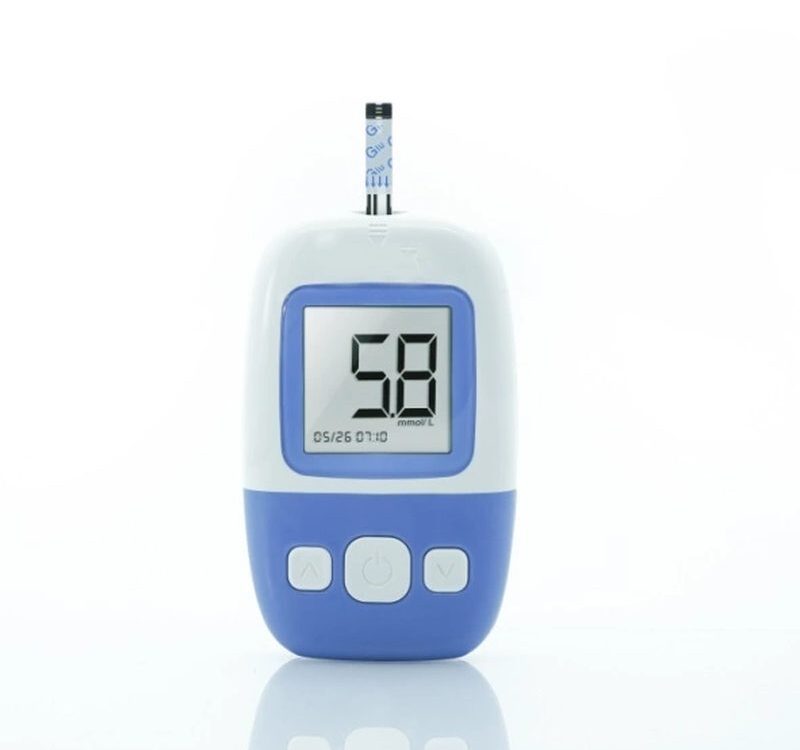
Reversal is confirmed by numbers, not feelings: repeat HbA1c every three to six months during active change, then every six to twelve months. A home glucometer can teach powerful lessons about which foods spike your sugar, though it need not become an obsession. Waist measurement is a superb free tracker, shrinking waistlines track improving insulin sensitivity. Keep a simple log of weight, activity and reports; visible progress sustains motivation. If numbers normalise, celebrate but do not graduate: pre-diabetes reversed can return if old habits do, so maintenance is lifelong, though it gets easier as habits solidify.
FAQs
Is pre-diabetes the same as diabetes? No. It is a warning zone with near-normal risk of complications if reversed, unlike diabetes, which needs lifelong management.
Can thin people have pre-diabetes? Yes, especially South Asians with abdominal fat and insulin resistance despite normal BMI; the thin-fat phenotype is real.
How fast can it be reversed? Meaningful improvement often appears within three to six months of sustained lifestyle change.
Pre-diabetes is diabetes sending an advance notice, and it is the only stage where the letter can simply be declined. A blood test, an honest look at the report, and months of steady lifestyle change: that is the entire reversal protocol, and it works more often than it fails.
Compiled by the Khabar 24h Editorial Desk from publicly available sources.

Khabar 24h Editorial Desk — our explainers are prepared by the Khabar 24h editorial team using AI-assisted research tools, and every piece is reviewed by a human editor before publishing. We do not claim original reporting: our work is turning complex topics into simple, accurate summaries. Spotted an error? Write to contact@khabar24h.com — our corrections policy aims for same-day review.
More from this author →