Vitamin B12 Deficiency in Vegetarians: Causes, Symptoms and How to Prevent It
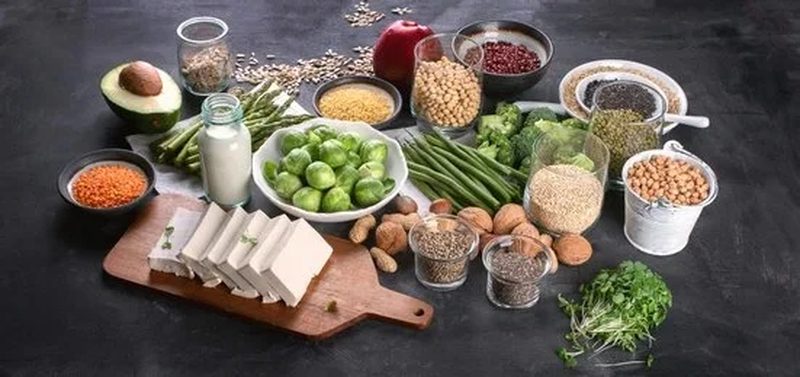
Among all nutrient gaps in Indian diets, vitamin B12 deficiency is the stealthiest. The vitamin occurs naturally almost exclusively in animal foods, which puts India’s vast vegetarian population at unusual risk. Surveys have found low B12 levels in a majority of urban Indian vegetarians, many of whom have no idea until symptoms appear. B12 keeps nerves insulated, red blood cells healthy and DNA synthesis running. When it runs out, the damage can be neurological and, if ignored too long, partly irreversible. Because the body stores B12 for months or years, deficiency often surfaces long after the diet became inadequate, which makes prevention a matter of habit rather than reaction.
Why vegetarians are especially vulnerable
Plants do not need vitamin B12 and do not make it; the vitamin is produced by bacteria and accumulates in animal tissues. Meat, fish, eggs and dairy are the dietary sources, in roughly that order of richness. Lacto-vegetarians get small amounts from milk, curd and paneer, but typically far below the daily requirement of about 2.4 micrograms, because Indian dairy consumption is modest and processing reduces content. Vegans, who avoid dairy too, get essentially none without fortified foods or supplements. Absorption adds another hurdle: B12 needs stomach acid and a protein called intrinsic factor to be absorbed, so older adults, people on long-term antacid or PPI medication, and those with gut disorders absorb less even from adequate diets. Alcohol excess and certain diabetes drugs like metformin also lower levels.
Symptoms: from fatigue to nerve damage
Early deficiency mimics anaemia: fatigue, paleness and breathlessness, because B12 is needed to make red blood cells. But B12’s signature damage is neurological. Tingling, numbness or burning in the hands and feet, difficulty with balance, and a sore, red tongue are classic. Memory problems, irritability, low mood and difficulty concentrating are common and frequently mistaken for stress or early dementia in older adults. In severe, prolonged deficiency, the spinal cord itself can be damaged, causing gait disturbance that may not fully reverse even after treatment. In infants of deficient mothers, B12 shortage can impair brain development, with poor growth and developmental delays. Any vegetarian with persistent tingling in the extremities or unexplained cognitive fog should have B12 tested rather than waiting.
How deficiency is diagnosed
A serum B12 blood test is the usual starting point, though experts note it is an imperfect marker and borderline results may need confirmation with homocysteine or methylmalonic acid tests, which rise when B12 is functionally low. Because folate deficiency causes a similar anaemia, doctors often test both together, and treating with folate alone can mask B12 deficiency while nerve damage continues, which is why indiscriminate supplementation without testing is discouraged. A complete blood count may show enlarged red blood cells, another clue. Testing is inexpensive and widely available, and it is sensible for long-term vegetarians, vegans, adults over 50, pregnant women and anyone on PPIs or metformin to check levels every year or two.
Prevention through food and supplements
For lacto-vegetarians, the foundation is generous daily dairy: milk, curd, buttermilk and paneer. Eggs help those who eat them. But food alone often falls short, so fortified foods, B12-enriched milk, nutritional yeast and breakfast cereals, are a practical daily top-up where available. For vegans and those with poor absorption, supplements are not optional but essential. Cyanocobalamin and methylcobalamin tablets or sublingual doses taken weekly or daily maintain levels reliably; injections are reserved for severe deficiency or malabsorption and must be given under medical supervision. B12 is water-soluble with no established toxicity from high oral doses, which makes supplementation very safe. The key point is regularity: because stores deplete slowly, a weekly supplement taken consistently prevents the deficiency that a yearly health check might catch too late.
Myths that keep people deficient
Several beliefs delay action. One is that fermented foods like idli, dosa or kanji provide B12; they contain negligible amounts. Another is that a traditional vegetarian diet must be nutritionally complete because generations thrived on it; earlier generations consumed more dairy, ate less processed food and had different gut bacteria exposure. A third is that B12 injections are needed monthly for life once started; most people maintain fine on oral supplements after levels are corrected. Finally, some assume that feeling fine means levels are fine, ignoring that nerve damage can progress silently. B12 is one deficiency where a small, cheap, tasteless weekly tablet outperforms the most careful meal planning.
FAQs
Can I get B12 from curd and paneer alone? They help but rarely suffice. A vegetarian would need very large daily quantities; most nutritionists recommend adding a supplement or fortified food.
Is B12 deficiency reversible? Blood and most symptoms recover fully with treatment, but long-standing nerve damage may only partly reverse, which is why early detection matters.
Do I need a prescription for B12 supplements? Low-dose oral B12 is available over the counter and is very safe, but get tested first and follow a doctor’s plan for dosing.
Vitamin B12 is the Achilles heel of the vegetarian diet, but it is also the easiest to fix. A blood test every year or two, dairy eaten generously, and a simple supplement where needed will keep nerves, blood and brain supplied for life. In a country where vegetarianism is a point of pride, closing this one gap makes the diet genuinely complete.
Compiled by the Khabar 24h Editorial Desk from publicly available sources.

Khabar 24h Editorial Desk — our explainers are prepared by the Khabar 24h editorial team using AI-assisted research tools, and every piece is reviewed by a human editor before publishing. We do not claim original reporting: our work is turning complex topics into simple, accurate summaries. Spotted an error? Write to contact@khabar24h.com — our corrections policy aims for same-day review.
More from this author →