How Futures and Options Work: The Basics of Derivatives Trading in India
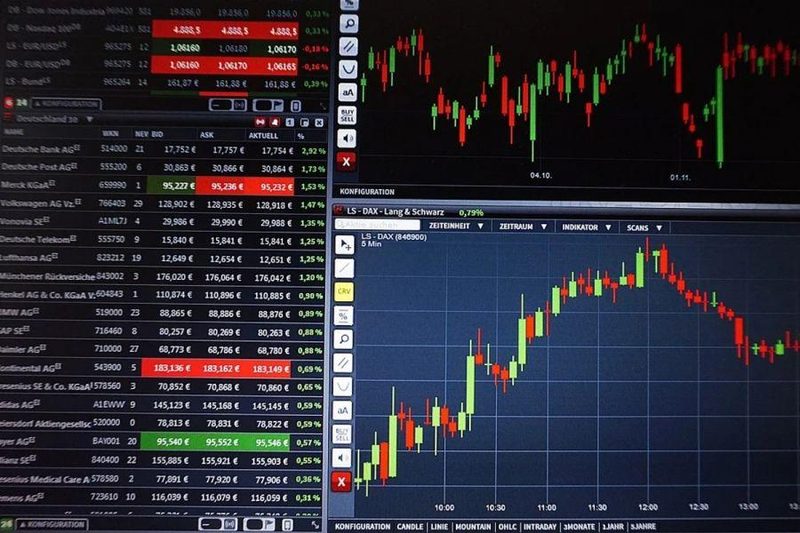
Derivatives are the most powerful and most dangerous instruments in Indian markets — contracts whose value derives from an underlying stock or index, allowing traders to profit from price movements with a fraction of the capital. India is the world’s largest derivatives market by number of contracts traded, and SEBI has repeatedly warned that the overwhelming majority of individual traders lose money in them. Before touching futures and options, understand exactly what they are, how they work, and why the odds are stacked against beginners.
What derivatives are
A derivative is a contract to buy or sell an underlying asset — a stock like Reliance or an index like the Nifty — at a future date and a predetermined price. No shares change hands at the start; you trade the contract itself. Their legitimate purposes are hedging (a farmer locking in crop prices, a fund insuring its portfolio) and price discovery. Their popular use is speculation: leveraged bets on direction. The leverage is the point and the peril — controlling lakhs of rupees of exposure with a margin of thousands magnifies gains and losses equally.
How futures work
A futures contract obliges you to buy (if long) or sell (if short) the underlying at expiry at the contracted price. You post a margin — roughly 10 to 20 per cent of the contract value — and the position is marked to market daily: profits and losses are settled each day, and if losses erode your margin, the broker issues a margin call demanding more funds or squares off your position. There is no optionality — at expiry, the obligation settles in cash (all Indian equity derivatives are cash-settled). Futures are linear: every point the Nifty moves for or against you translates directly into profit or loss on the full contract value.
How options work
Options add a crucial twist: the right, but not the obligation, to buy or sell. A call option gives the right to buy at the strike price; a put gives the right to sell. The buyer pays a premium — the maximum they can lose — and profits if the underlying moves favourably beyond the premium paid. The seller collects the premium but takes on potentially large obligations, which is why SEBI now requires sellers to demonstrate higher margins and why regulators keep tightening eligibility. Time decay, or theta, erodes option premiums daily — options are wasting assets, and buyers fight a clock that sellers own. This asymmetry is why studies show most retail option buyers lose: they need direction, magnitude and timing all to be right.
- Futures: obligation to transact; linear payoffs; daily mark-to-market; margin calls.
- Options buyers: pay premium, limited loss, need direction + timing + magnitude right.
- Options sellers: collect premium, face large obligations; higher margins required.
- Expiry: weekly and monthly expiries concentrate volatility — beginners should avoid expiry-day trading.
The regulatory reality in India
SEBI’s studies have been blunt: roughly 9 out of 10 individual traders in equity derivatives lose money, with average losses exceeding a lakh rupees a year. In response, regulators have raised minimum contract sizes, tightened margin requirements, restricted weekly expiries and mandated risk disclosures that brokers must show before you trade. These are not obstacles to cleverness — they are guardrails around a product structurally tilted against retail speculation. The exchange and broker earn fees on every trade regardless of who wins; the market maker on the other side is a professional. Ask yourself who the likely loser is before entering.
FAQs
How much money do I need to start trading derivatives? Lot sizes set minimums — a Nifty lot’s margin runs into tens of thousands of rupees — but the real question is how much you can afford to lose entirely.
Can derivatives be used safely? Yes, for hedging — e.g., buying puts to protect a stock portfolio. Hedging uses derivatives as insurance; speculation uses them as lottery tickets.
What is the biggest beginner mistake? Buying weekly expiry options near expiry — time decay and volatility crush these positions, which is where most retail losses concentrate.
Futures and options are precision instruments that most retail traders wield like hammers. Learn the mechanics, respect the leverage, start with hedging use-cases if at all — and remember the industry’s own data: the house usually wins, and in derivatives, you are rarely the house.
Compiled by the Khabar 24h Editorial Desk from publicly available sources.

Khabar 24h Editorial Desk — our explainers are prepared by the Khabar 24h editorial team using AI-assisted research tools, and every piece is reviewed by a human editor before publishing. We do not claim original reporting: our work is turning complex topics into simple, accurate summaries. Spotted an error? Write to contact@khabar24h.com — our corrections policy aims for same-day review.
More from this author →