TDP-43 and ALS: what the new study means
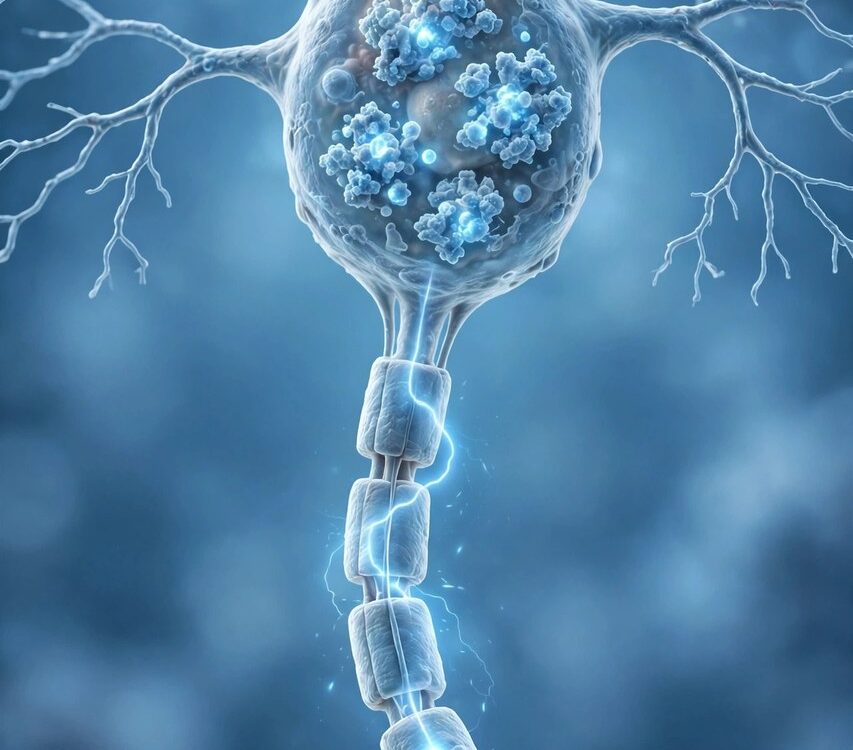
A new study says a non-invasive device can clear toxic TDP-43 protein clumps linked to ALS. Here is what that means. TDP-43 is a protein found in nearly all our cells. In about 97 per cent of ALS cases, it misfolds and piles up inside motor neurons, the nerve cells that control muscles. These clumps are thought to poison the cells and speed up the disease. ALS, also called Lou Gehrig's disease, gradually robs patients of movement, speech and breathing. No approved therapy has yet reduced these clumps. The new peer-reviewed study tested multi-site direct current stimulation, gentle electrical pulses applied through the scalp, on mice engineered to model ALS. After four weeks, treated mice had 76 per cent fewer TDP-43 clumps per motor neuron and better motor function. The catch is that this is a mouse study, not a human trial. PathMaker says its second ALS clinical trial is nearing full enrolment, and that is where the real test begins. Results in mice often fail to translate to people.
Related stories
View all →
Bitcoin’s $83,000 rebound explained
Why bitcoin bounced above $83,000: Trump's Iran statement, ETF outflows, and the key levels traders watch.

Starlink Mobile explained: SpaceX’s carrier play
How SpaceX's 800 MHz spectrum deal and 15,000 new satellites could turn Starlink Mobile into a US carrier.

El Nino explained: why Maharashtra is parched
What El Nino is, how it weakens the monsoon, and why it left Maharashtra declaring drought in 265 talukas.

Khabar 24h Editorial Desk — our explainers are prepared by the Khabar 24h editorial team using AI-assisted research tools, and every piece is reviewed by a human editor before publishing. We do not claim original reporting: our work is turning complex topics into simple, accurate summaries. Spotted an error? Write to contact@khabar24h.com — our corrections policy aims for same-day review.
More from this author →
Leave a Reply