Francis Halzen wins 2026 Nobel Prize in Physics for IceCube work
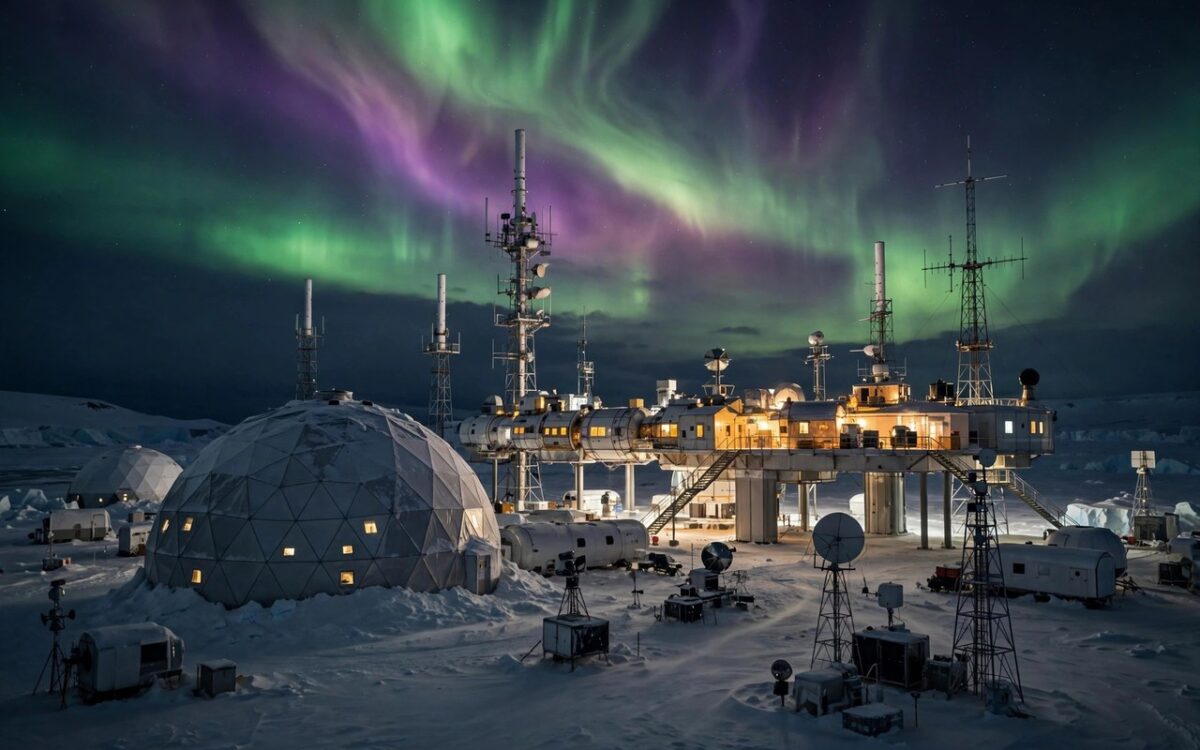
The 2026 Nobel Prize in Physics has been awarded to Francis Halzen for his work on the IceCube Neutrino Observatory and the discovery of high-energy neutrinos from deep space. The Royal Swedish Academy of Sciences announced the prize in Stockholm on Tuesday.
Halzen, 82, is a Belgian-born physicist at the University of Wisconsin-Madison. He first proposed using Antarctic ice as a neutrino detector in 1988. He then led a team of more than 450 people from 58 institutions in 14 countries to build IceCube at the South Pole.
Neutrinos are tiny particles with almost no mass and no electric charge. They pass through planets and stars unchanged. According to the Nobel committee, they act as ghost-like messengers from the cosmos, carrying information about distant galaxies and exploding stars.
The IceCube detector uses thousands of light sensors buried two kilometres under the ice. When neutrinos hit the ice, they give off a faint blue light that the sensors can track.
The physics prize is the second Nobel announced this year, after Monday’s medicine prize. It carries 12 million Swedish crowns, about 1.2 million dollars. The chemistry prize follows on Wednesday.

Khabar 24h Editorial Desk — our explainers are prepared by the Khabar 24h editorial team using AI-assisted research tools, and every piece is reviewed by a human editor before publishing. We do not claim original reporting: our work is turning complex topics into simple, accurate summaries. Spotted an error? Write to contact@khabar24h.com — our corrections policy aims for same-day review.
More from this author →
Leave a Reply