NASA Moves Ahead With PRIMA Space Telescope
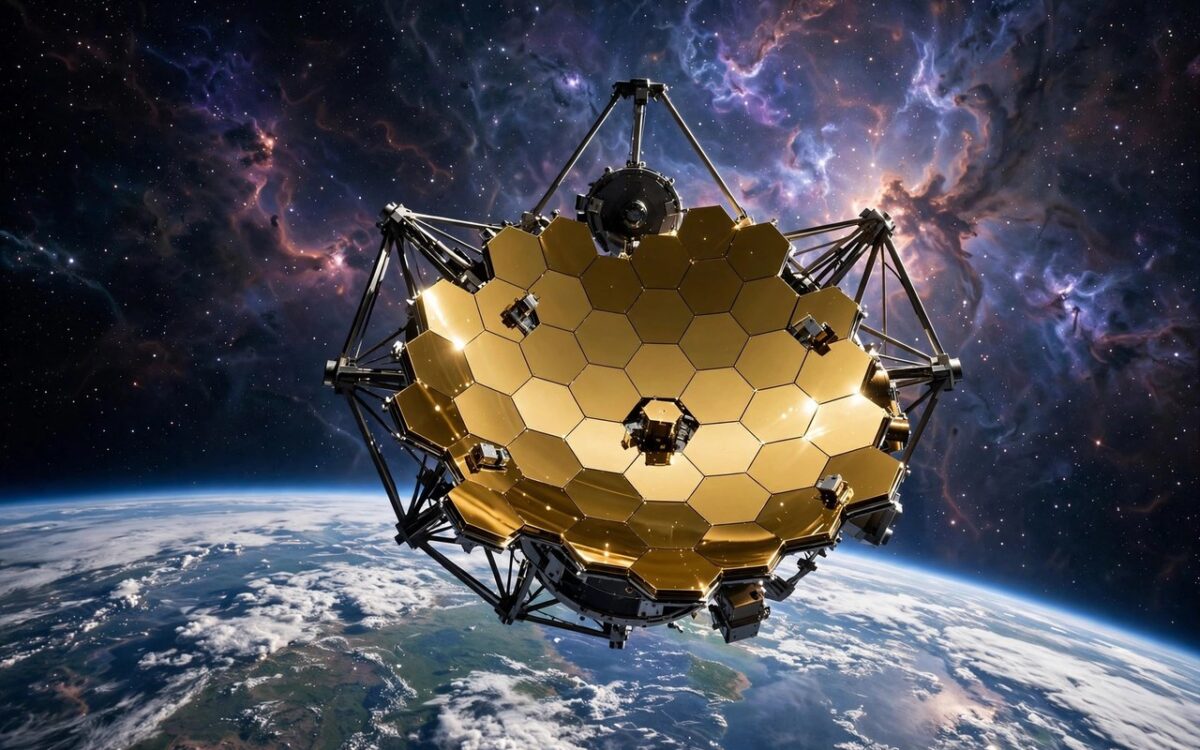
NASA has advanced its PRIMA space telescope to the next phase of development, making it the first mission in a new class of astrophysics missions called Probe Explorers.
PRIMA, short for the PRobe far-Infrared Mission for Astrophysics, entered Phase B, covering preliminary design and technology development. NASA announced the decision on September 23. The mission still faces a confirmation review before full implementation.
The telescope will carry a 1.8-meter mirror and observe the universe in far-infrared light, spanning wavelengths of 24 to 235 microns. That slice of the spectrum sits between what the James Webb Space Telescope sees and what ground-based radio telescopes capture. It is where cold dust and molecular gas glow, making it valuable for studying how planets form and how galaxies and their black holes grow.
"The PRIMA mission is humanity's next window into the deep universe," said Nicky Fox, associate administrator of NASA's Science Mission Directorate. If approved, the project is capped at 1.2 billion dollars, and NASA targets a 2033 launch for a five-year mission managed by the Jet Propulsion Laboratory.
Reporting based on: www.nasa.gov, www.openaccessgovernment.org, aerohaber.com.
Related stories
View all →
ISRO’s NVS-03 NavIC satellite eyes mid-October launch
ISRO is preparing to launch the NVS-03 navigation satellite in mid-October, according to reports. The launch window is said to be between…

NASA’s SPHEREx telescope maps brown dwarf atmospheres
NASA's SPHEREx telescope analysed 37 nearby brown dwarfs and found atmospheres rich in water, carbon dioxide and methane. The telescope takes 3,600…

Most Distant Blazar Found Eight Billion Light-Years Away
Scientists have detected blazar OP 313, the most distant ever recorded, eight billion light-years away.

Khabar 24h Editorial Desk — our explainers are prepared by the Khabar 24h editorial team using AI-assisted research tools, and every piece is reviewed by a human editor before publishing. We do not claim original reporting: our work is turning complex topics into simple, accurate summaries. Spotted an error? Write to contact@khabar24h.com — our corrections policy aims for same-day review.
More from this author →
Leave a Reply