Early galaxies spread heavy elements sooner than thought
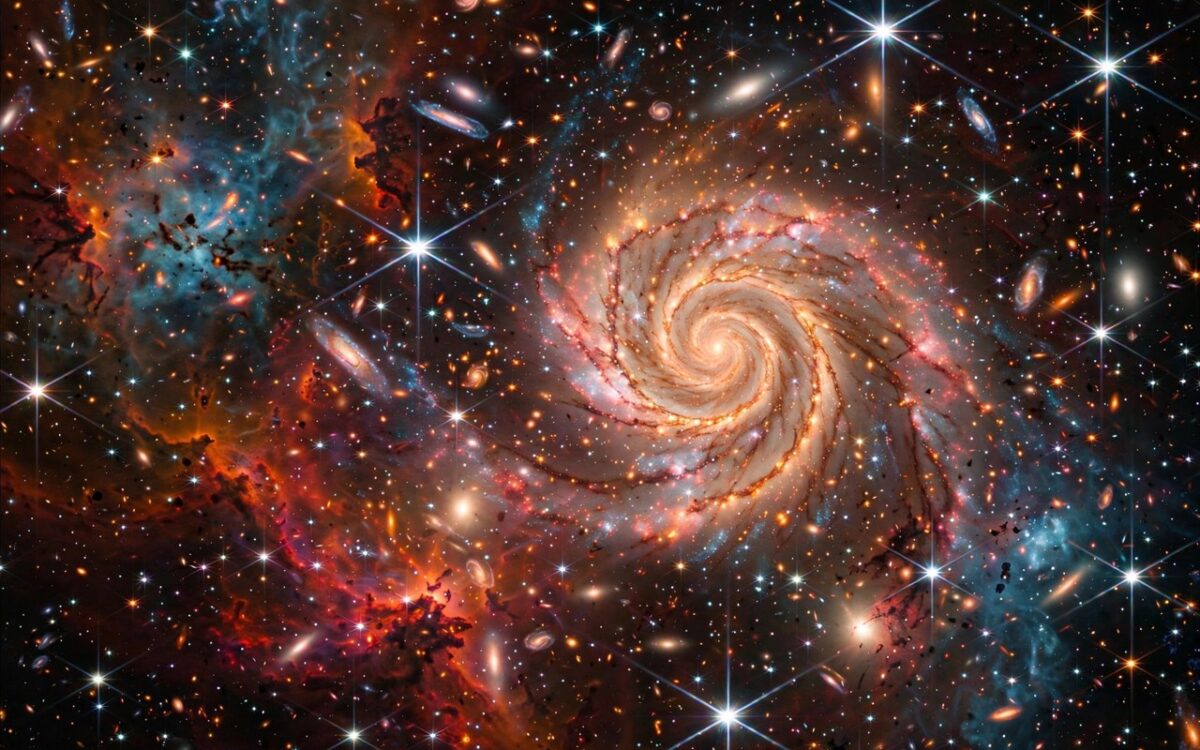
The James Webb Space Telescope has found that early galaxies were seeding the universe with heavy elements much sooner than expected. The finding could reshape ideas about the first stars.A University of Arizona team led by Yongda Zhu studied three galaxies whose light took over 13 billion years to reach Earth. They appear as they were about 500 million years after the Big Bang.
The study is published in Nature Astronomy.The galaxies were already producing and dispersing elements like carbon and oxygen into their surroundings. Scientists had thought the gas around young galaxies was mostly pristine hydrogen and helium.“These heavy elements escaped from galaxies very early in cosmic time,” Zhu said. The process, called baryon cycling, recycles material between galaxies through the wider galactic ecosystem.The discovery may explain why astronomers have struggled to find the very first stars, known as Population III stars.
If enrichment began this early, truly pristine gas may simply not have lasted long enough to observe.

Khabar 24h Editorial Desk — our explainers are prepared by the Khabar 24h editorial team using AI-assisted research tools, and every piece is reviewed by a human editor before publishing. We do not claim original reporting: our work is turning complex topics into simple, accurate summaries. Spotted an error? Write to contact@khabar24h.com — our corrections policy aims for same-day review.
More from this author →
Leave a Reply