Why lakes matter for the climate: the overlooked cooling effect
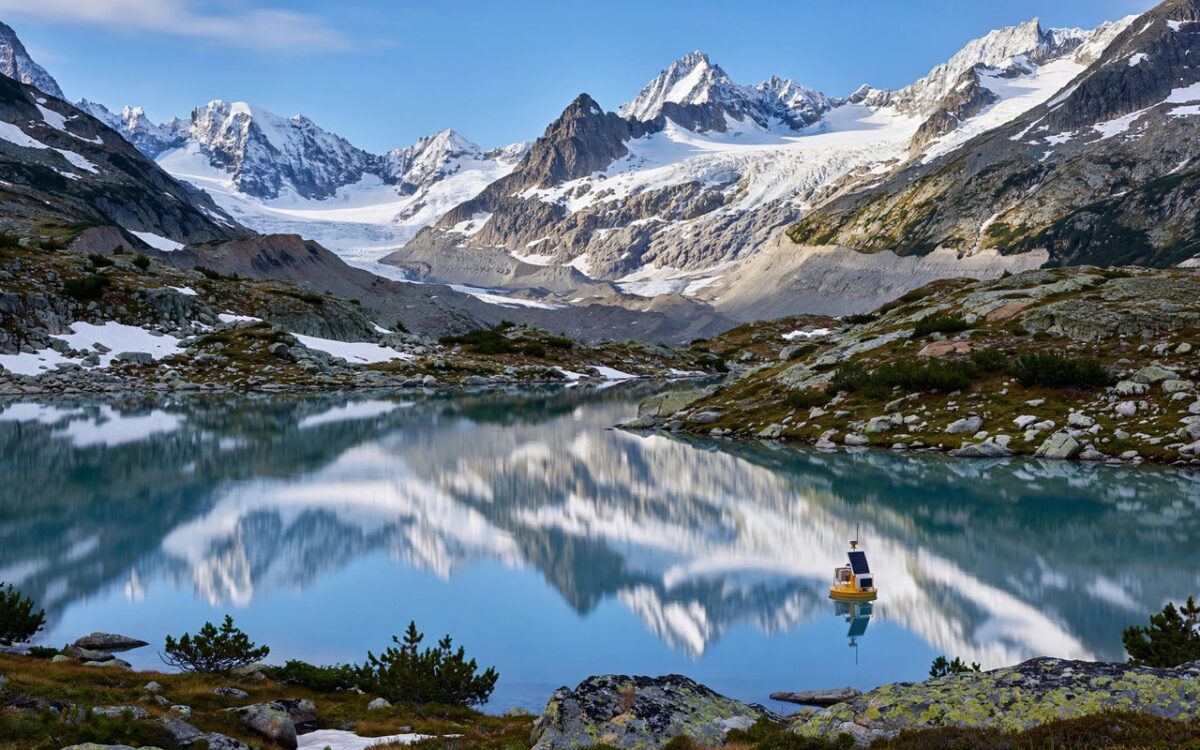
Lakes may be quietly helping to keep the Northern Hemisphere cool, and climate models have been missing the effect. A new study explains why it matters. The research, published in Geophysical Research Letters by Sarah Cooley and colleagues, looked at how lakes change the magnitude and timing of the cooling effect from snow and ice, known as the cryosphere radiative effect. Snow and ice reflect sunlight back to space, cooling the planet. The study finds that lakes add their own twist to this process, especially in the transition from winter to spring, when snow and ice cover changes fast. Climate models account for snow and ice, but usually do not separate the contribution of lakes from surrounding land, leaving a gap in the seasonal energy balance. The findings do not mean lakes can offset global warming. They reveal another component of the climate system that must be considered alongside other forces shaping Earth’s energy balance. For model builders, the message is to treat lakes as their own piece of the puzzle. Better accounting could sharpen projections of Northern Hemisphere warming. It is a reminder that the climate system still holds surprises, even in something as familiar as a lake.
Related stories
View all →
Bitcoin’s $83,000 rebound explained
Why bitcoin bounced above $83,000: Trump's Iran statement, ETF outflows, and the key levels traders watch.

Starlink Mobile explained: SpaceX’s carrier play
How SpaceX's 800 MHz spectrum deal and 15,000 new satellites could turn Starlink Mobile into a US carrier.
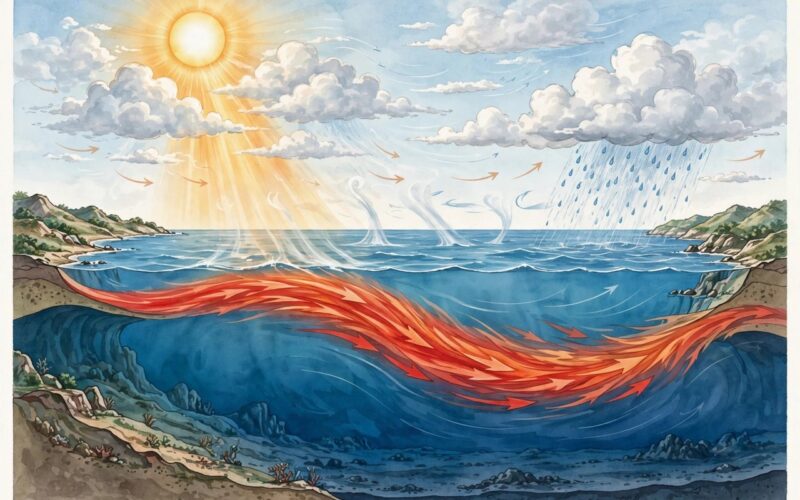
El Nino explained: why Maharashtra is parched
What El Nino is, how it weakens the monsoon, and why it left Maharashtra declaring drought in 265 talukas.

Khabar 24h Editorial Desk — our explainers are prepared by the Khabar 24h editorial team using AI-assisted research tools, and every piece is reviewed by a human editor before publishing. We do not claim original reporting: our work is turning complex topics into simple, accurate summaries. Spotted an error? Write to contact@khabar24h.com — our corrections policy aims for same-day review.
More from this author →
Leave a Reply