India’s ethanol roadmap explained: what comes after E20
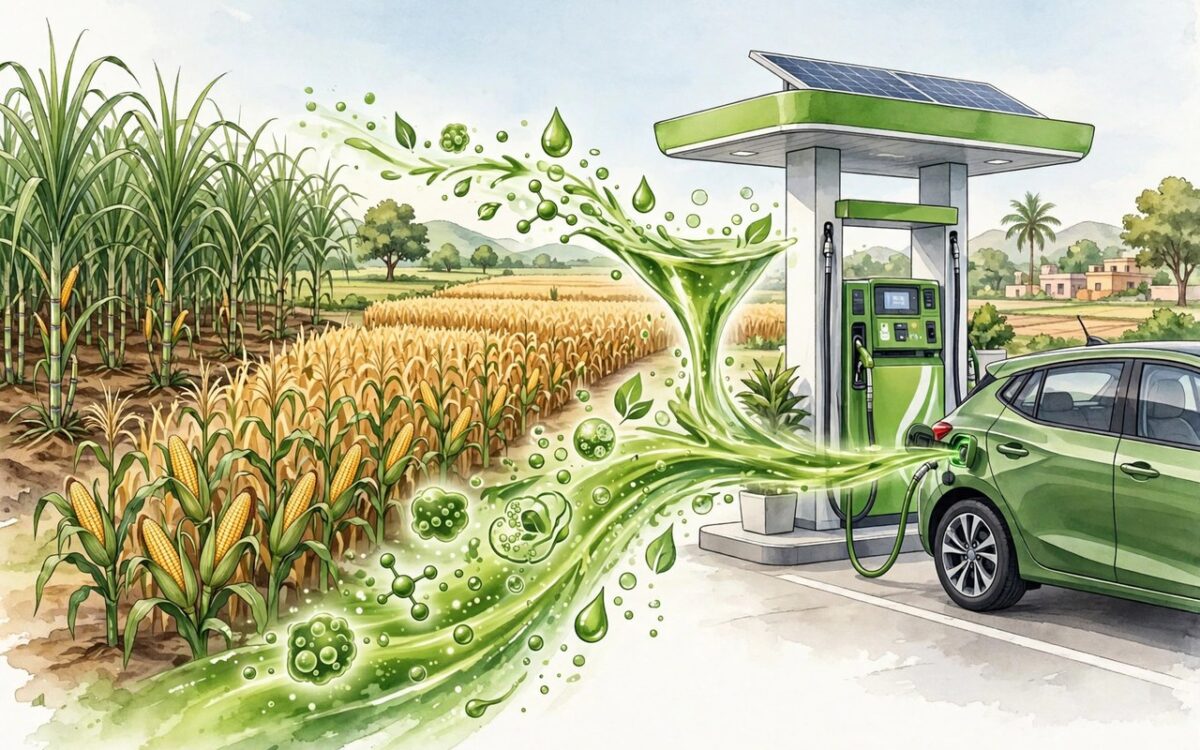
India hit its E20 petrol blending target five years early. Now the question is what comes next. Here is the emerging roadmap for ethanol beyond blending. Blending has risen from 1.53 per cent in 2013-14 to 20 per cent now. The government says the push has saved more than Rs 1.4 lakh crore in foreign exchange since 2014-15. Minister of State Suresh Gopi told the Rajya Sabha in July that ethanol capacity of about 2,000 crore litres a year has been built for higher blends, flex-fuel vehicles and future biofuel uses. The next frontiers are clear. The Centre is reportedly working on a framework for ethanol as cooking fuel, with ethanol ATMs and dedicated stoves, while sustainable aviation fuel and exports are other targets. A KPMG paper proposes higher blends such as E22 to E30 and flex-fuel options like E85 and E100, calling ethanol a ‘crude shock buffer’ for oil price spikes. The barriers are real. India still depends on first-generation feedstocks like sugarcane and grain, infrastructure for multiple fuel grades is thin, and flex-fuel adoption is early. KPMG lists five enablers: feedstock diversification, demand beyond E20, market-responsive pricing, modern infrastructure and a stronger vehicle ecosystem.
Related stories
View all →
Bitcoin’s $83,000 rebound explained
Why bitcoin bounced above $83,000: Trump's Iran statement, ETF outflows, and the key levels traders watch.

Starlink Mobile explained: SpaceX’s carrier play
How SpaceX's 800 MHz spectrum deal and 15,000 new satellites could turn Starlink Mobile into a US carrier.

El Nino explained: why Maharashtra is parched
What El Nino is, how it weakens the monsoon, and why it left Maharashtra declaring drought in 265 talukas.

Khabar 24h Editorial Desk — our explainers are prepared by the Khabar 24h editorial team using AI-assisted research tools, and every piece is reviewed by a human editor before publishing. We do not claim original reporting: our work is turning complex topics into simple, accurate summaries. Spotted an error? Write to contact@khabar24h.com — our corrections policy aims for same-day review.
More from this author →
Leave a Reply