WII study finds leopard decline in parts of Odisha
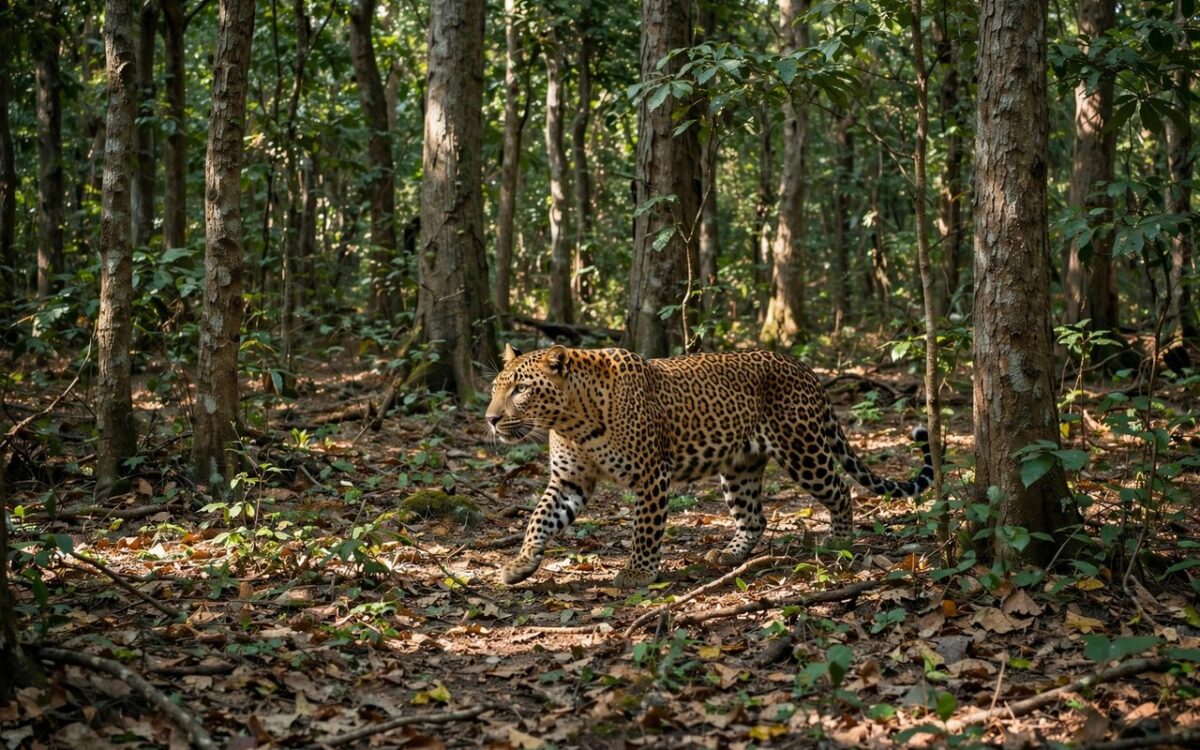
A Wildlife Institute of India study has found declining leopard numbers and prey density in parts of the Similipal-Satkosia landscape in Odisha, raising conservation concerns.
The study, sponsored by the Odisha Forest Department, used camera traps across the Kuldiha and Hadagarh wildlife sanctuaries, the Rebana reserve forest, and the Satkosia and Mahanadi forest divisions. It estimated leopard densities of 17.9 per 100 square kilometres in Satkosia and 11.9 per 100 square kilometres in Mahanadi division.
Researchers identified habitat destruction, poaching and human-wildlife conflict as the main threats. Declining prey populations were flagged as a key factor, since fewer prey animals force leopards closer to villages in search of food.
The study called for systematic long-term monitoring of leopards and their prey across the landscape. It recommended stronger anti-poaching patrols and habitat restoration in the connecting corridors between forests.
Similipal is one of India’s oldest tiger reserves and home to a unique population of melanistic, or black, tigers. The findings add to concerns about large carnivores in Odisha’s forests.
Related stories
View all →
IMD predicts heavy rain in Kerala, TN, Bengal and Sikkim
The India Meteorological Department has forecast heavy rain in several states on October 9. Isolated places in Kerala, Tamil Nadu and Puducherry…

Hurricane Isaias to Hit Florida Tonight as Major Category 3 Storm
Hurricane Isaias is expected to make landfall near the Florida Panhandle on Friday evening with 111 mph winds, a 9-foot surge and…

Australia’s biggest coal plant to get 8,600 MWh battery
Origin Energy will expand the battery beside Australia's biggest coal station to 8,600 MWh, the country's largest grid battery.

Khabar 24h Editorial Desk — our explainers are prepared by the Khabar 24h editorial team using AI-assisted research tools, and every piece is reviewed by a human editor before publishing. We do not claim original reporting: our work is turning complex topics into simple, accurate summaries. Spotted an error? Write to contact@khabar24h.com — our corrections policy aims for same-day review.
More from this author →
Leave a Reply