The Paris Climate Agreement Explained: What Countries Promised and What’s Missing
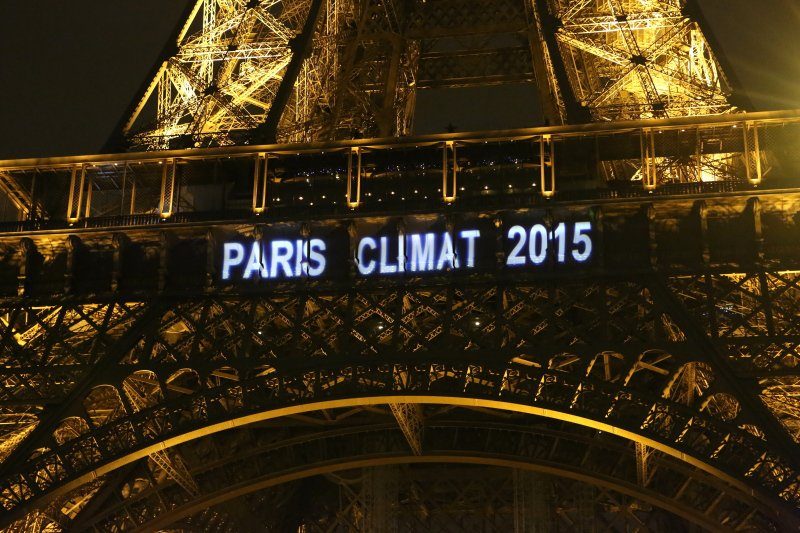
In December 2015, 196 countries did something unprecedented: they all agreed to fight climate change together. The Paris Agreement committed the world to holding warming well below 2 degrees Celsius, with each nation pledging its own emissions cuts. A decade on, the agreement has survived American withdrawals and missed targets, reshaping global energy investment while falling short of its goals. This explainer covers what Paris promised, what has been delivered, and what is missing.
What Paris promised
The agreement’s genius was its structure: legally binding process, voluntary substance. Every country submits Nationally Determined Contributions, pledges to cut emissions, and must update them every five years with increasing ambition. Rich countries promised 100 billion dollars a year in climate finance for poorer ones. A global stocktake every five years measures collective progress. The temperature goals, well below 2C and pursuing 1.5C, were stronger than expected, a victory for vulnerable island states. What Paris did not do: set binding national targets, create enforcement, or mention fossil fuels by name.
What has been achieved
Paris changed the trajectory. Before 2015, the world was headed for 4C-plus warming; current policies point to around 2.5-2.8C, still dangerous but markedly better. Clean energy investment has exploded past 2 trillion dollars a year, outpacing fossil fuels two-to-one. Coal’s peak may have passed; EV sales soar; and even reluctant giants like China and India set net-zero targets. The agreement’s ratchet mechanism works slowly but visibly: each pledge round has been somewhat more ambitious. Diplomacy’s soft power, it turns out, can move markets.
Where it falls short
The gaps are glaring. Current pledges still point to warming far above 1.5C, which is now likely to be breached within years. The 100-billion-dollar finance promise was met late and disputed in its accounting. Loss and damage, compensation for climate disasters, got a fund at COP28 that remains nearly empty. Fossil fuel mentions only entered texts in watered-down form: the COP28 call to transition away from fossil fuels was historic language with no timeline. And enforcement is non-existent: countries miss targets without consequence, as most are doing.
- 196 parties; the US withdrew under Trump, rejoined under Biden, withdrew again.
- Goal: well below 2C, pursuing 1.5C above pre-industrial levels.
- Current pledges imply roughly 2.5C warming, far above the target.
- Clean energy investment now exceeds 2 trillion dollars a year.
The American whiplash
No country illustrates Paris’s fragility like the United States: Obama joined, Trump withdrew, Biden rejoined and passed landmark climate spending, Trump withdrew again. Each swing shakes global confidence, though the agreement survived because other powers, the EU, China, India, held the line. The episode revealed both Paris’s resilience and its dependence on American leadership. Climate diplomacy without Washington is possible; it is just much harder.
Can Paris still work?
The agreement’s defenders argue it was never meant to solve climate change by itself but to create the framework within which solutions compound: pledges, investment, technology, peer pressure. The next test is the 2035 pledge round and whether finance finally flows at the trillions scale needed. Critics say a voluntary system cannot confront an existential crisis, and that Paris provides cover for delay. Both are right: Paris is the best climate governance humanity has built, and it is not enough. The question is whether its ratchet turns fast enough.
FAQs
Is the Paris Agreement legally binding? The process is binding, countries must submit and update pledges, but the pledges themselves and their achievement are not enforceable.
What is 1.5C? The aspirational limit on warming above pre-industrial levels; breaching it risks far worse climate impacts, and it will likely be crossed temporarily within years.
Has Paris reduced emissions? Global emissions are still rising, but the projected warming trajectory has fallen significantly since 2015 thanks to pledges and clean-energy growth.
The Paris Agreement is a promise the world made to itself, kept imperfectly, broken regularly, and still the foundation of all climate action. A decade in, it has bent the curve without straightening it. The next decade will decide whether the promise was a turning point or a beautifully worded delay.
The next global stocktake and the 2035 pledge round will test whether the ratchet can turn faster. Money remains the missing ingredient: trillions, not billions, are needed yearly. Paris built the arena; the fight inside it is still being lost, but it is the only fight that matters.
Compiled by the Khabar 24h Editorial Desk from publicly available sources.

Khabar 24h Editorial Desk — our explainers are prepared by the Khabar 24h editorial team using AI-assisted research tools, and every piece is reviewed by a human editor before publishing. We do not claim original reporting: our work is turning complex topics into simple, accurate summaries. Spotted an error? Write to contact@khabar24h.com — our corrections policy aims for same-day review.
More from this author →