Sovereign Debt Explained: What Happens When Countries Cannot Pay
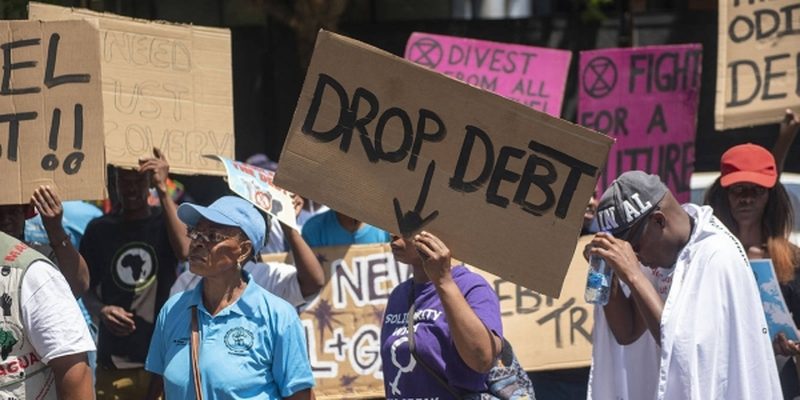
Countries, unlike companies, cannot be liquidated, but they can run out of money, and when they do, the fallout spans continents. Sovereign debt crises, from Latin America in the 1980s to Greece in the 2010s to Sri Lanka in 2022, follow a grim pattern: borrowing binges, sudden loss of confidence, default or bailout, and years of austerity. This explainer shows what happens when countries cannot pay.
How countries get into trouble
Sovereign debt becomes dangerous through a familiar cocktail: governments borrow in foreign currencies they cannot print, spend on consumption rather than investment, and rely on short-term debt that must be constantly refinanced. Shocks, commodity crashes, pandemics, wars, then trigger the spiral: investors demand higher interest, debt service swallows budgets, and refinancing becomes impossible. Currency collapse makes foreign debts explode in local terms. The original sin, economists call borrowing in someone else’s currency, turns a fiscal problem into a national emergency.
What default actually means
A sovereign default is not bankruptcy; there is no court to seize a country’s assets. It means the government stops paying some creditors, who then face a choice: negotiate or litigate. Most accept haircuts, losing part of their money in restructurings, because the alternative is years of legal limbo. Holdout creditors, the infamous vulture funds, buy distressed bonds cheap and sue for full payment, as they did against Argentina for over a decade. Defaulting governments are locked out of markets, watch their currency plunge, and usually need an IMF programme to regain credibility. The stigma fades faster than moralists claim: markets have short memories when yields are high.
The IMF’s role
The IMF is the firefighter of sovereign debt crises, lending billions on condition of reforms. Its programmes follow a template: fiscal tightening, currency adjustment, debt restructuring, structural reform. The medicine is controversial, critics say austerity deepens the disease, but the alternative, disorderly default, is usually worse. Recent innovations include collective action clauses in bonds, letting majorities bind holdouts, and the Common Framework for coordinating diverse creditors, especially China, which has become a huge bilateral lender. Creditor coordination remains the hardest problem: getting bondholders, Paris Club governments and Beijing to agree takes years.
- Greece’s 2012 restructuring was the largest sovereign debt haircut in history.
- Sri Lanka’s 2022 default was its first since independence.
- Argentina has defaulted nine times, a world record of sorts.
- Over 60% of low-income countries are now in or near debt distress.
Who bears the cost?
The costs fall heaviest on ordinary citizens: austerity means cut pensions, fired teachers, and medicine shortages, while the elites who borrowed often escape. Creditors lose money but diversify; populations cannot diversify their country. This injustice fuels the politics of debt crises: protests topple governments, populists promise to repudiate odious debt, and the debate over who should pay, taxpayers, pensioners or bondholders, becomes existential. Economists increasingly argue for faster, deeper restructurings that share pain fairly, rather than extend-and-pretend bailouts that protect creditors.
Can crises be prevented?
Prevention is unglamorous: borrow in your own currency, keep maturities long, save in good times, and maintain credible institutions. Countries that do this, like most advanced economies, can carry huge debts without crisis, because investors trust they will be repaid. The deeper fix is global: better creditor coordination, automatic standstills on debt service during shocks, and honest accounting of who owes what to whom. Until then, the cycle will repeat: boom, binge, bust, bailout, and the bill presented to people who never signed the loan.
FAQs
Can a country go bankrupt? Not legally; there is no international bankruptcy court. Default means stopping payments and negotiating with creditors.
What are vulture funds? Investors who buy defaulted bonds cheaply and sue for full repayment, often holding up restructurings for years.
Why does the IMF impose austerity? It argues countries must fix the overspending that caused the crisis to regain market trust; critics say the cures are worse than the disease.
Sovereign debt crises are ultimately about broken promises: governments promised more than they could deliver, creditors believed them, and citizens pay the difference. The machinery of default and bailout exists to manage those broken promises, but it cannot make them whole.
The machinery of default and restructuring will keep turning as long as governments borrow beyond their means. Each crisis refines the tools, collective action clauses, creditor committees, IMF facilities, but the politics of who pays remains raw. Debt is a promise about the future; sovereign debt crises are what happens when the future refuses to cooperate.
Compiled by the Khabar 24h Editorial Desk from publicly available sources.

Khabar 24h Editorial Desk — our explainers are prepared by the Khabar 24h editorial team using AI-assisted research tools, and every piece is reviewed by a human editor before publishing. We do not claim original reporting: our work is turning complex topics into simple, accurate summaries. Spotted an error? Write to contact@khabar24h.com — our corrections policy aims for same-day review.
More from this author →