Norway’s Oil Fund Explained: How a Nation Saved Over a Trillion Dollars for the Future
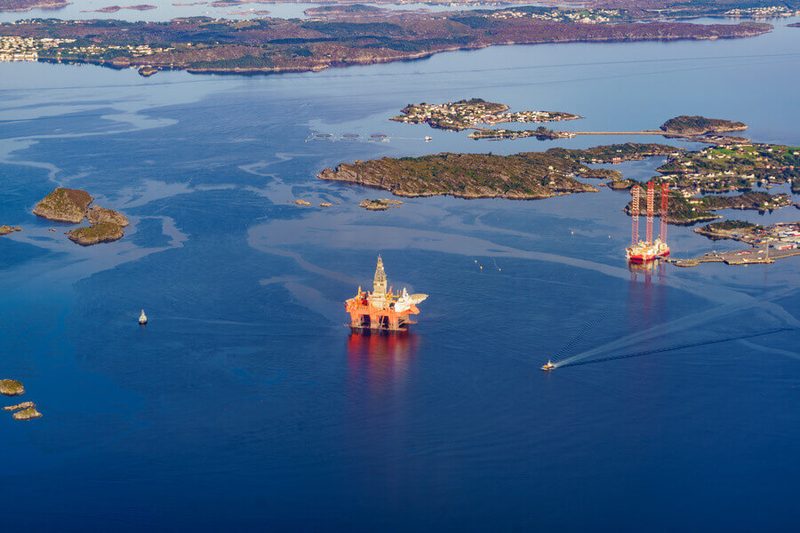
In 1969, Norway was a modest fishing nation when drillers struck oil in the North Sea. Rather than spending the windfall, Norway did something almost no petrostate had done: it saved it. The Government Pension Fund Global, popularly the Oil Fund, is now the world’s largest sovereign wealth fund, worth well over $1.5 trillion, owning around 1.5 per cent of every listed company on Earth. How a country of 5.5 million built this fortune, and what it does with it, is a masterclass in long-term thinking.
The decision to save, not spend
The fund’s origin was a political choice in the 1990s: oil revenues would flow into a savings fund rather than the budget, to prevent the economy overheating and to share the wealth with future generations. The rule is elegant: the government may spend only the fund’s expected real return, about 3 per cent a year, preserving the capital forever. This fiscal rule turned volatile oil income into a steady, permanent endowment. While other oil states built palaces and fought wars, Norway built a pension for the unborn.
How the fund invests
The fund invests almost entirely outside Norway, to avoid overheating the domestic economy: roughly 70 per cent in global equities, the rest in bonds, real estate and renewable infrastructure. Managed by Norges Bank Investment Management, it holds stakes in some 9,000 companies across 70 countries, from Apple to Nestle. Its scale makes it a universal owner: it cannot diversify away from the global economy’s problems, which is why it has become an activist investor on climate, executive pay and corporate governance.
The ethics: oil money with a conscience
Parliament gave the fund ethical guidelines, enforced by a Council on Ethics that blacklists companies involved in tobacco, certain weapons, coal, or severe human rights and environmental abuses. The fund has dumped shares in dozens of firms, making its exclusion list a moral signal markets watch. Critics note the irony of a fund built on oil preaching climate virtue, and Norway still pumps oil while its fund divests from it. Defenders call it pragmatic: use the wealth while transitioning away from its source.
What the fund buys Norway
The fund underwrites Norway’s generous welfare state and cushions every crisis: it financed pandemic spending and buffers the economy as oil eventually declines. Per capita, it represents hundreds of thousands of dollars for every Norwegian, though the money is not individually owned. It also buys influence: the fund’s governance demands move corporate behaviour worldwide, and its transparency, every holding published, set the global standard for sovereign funds. Norway turned geology into geopolitics.
The resource curse it avoided
Economists have a name for what usually happens to oil-rich nations: Dutch disease, where resource exports inflate the currency and hollow out other industries, plus the corruption and conflict oil often fuels. Norway escaped through institutions: democratic accountability, an independent central bank, transparency, and the fund’s deliberate separation from politics. The lesson is sobering for others: the fund worked because Norway already had good governance. Money does not build institutions; institutions make money useful.
Storms on the horizon
The fund faces testing decades. Oil revenues funding it will dwindle as fields deplete and the world decarbonises. Its equity-heavy portfolio swings hundreds of billions with markets, prompting political nerves. Debates rage over spending more now versus saving for later, and over whether the fund should do more for climate or stay strictly financial. The trillion-dollar question: can the discipline that built the fund survive the politics of spending it?
FAQs
How big is Norway’s oil fund? Well over $1.5 trillion, the largest sovereign wealth fund in the world, owning about 1.5% of global listed equities.
Can Norwegians spend the money? Only indirectly: the government may use about 3% of its value yearly for the budget, preserving the principal for future generations.
Why does an oil fund divest from oil? Parliament decided the fund should reduce exposure to fossil fuels financially and ethically, even as Norway continues producing oil.
Norway’s oil fund is proof that a nation can get rich from resources without being ruined by them. It took half a century of discipline, and it remains the gold standard every resource-rich country is measured against.
Compiled by the Khabar 24h Editorial Desk from publicly available sources.

Khabar 24h Editorial Desk — our explainers are prepared by the Khabar 24h editorial team using AI-assisted research tools, and every piece is reviewed by a human editor before publishing. We do not claim original reporting: our work is turning complex topics into simple, accurate summaries. Spotted an error? Write to contact@khabar24h.com — our corrections policy aims for same-day review.
More from this author →