Why India’s 2026 Monsoon Was the Weakest Since 2015, Explained
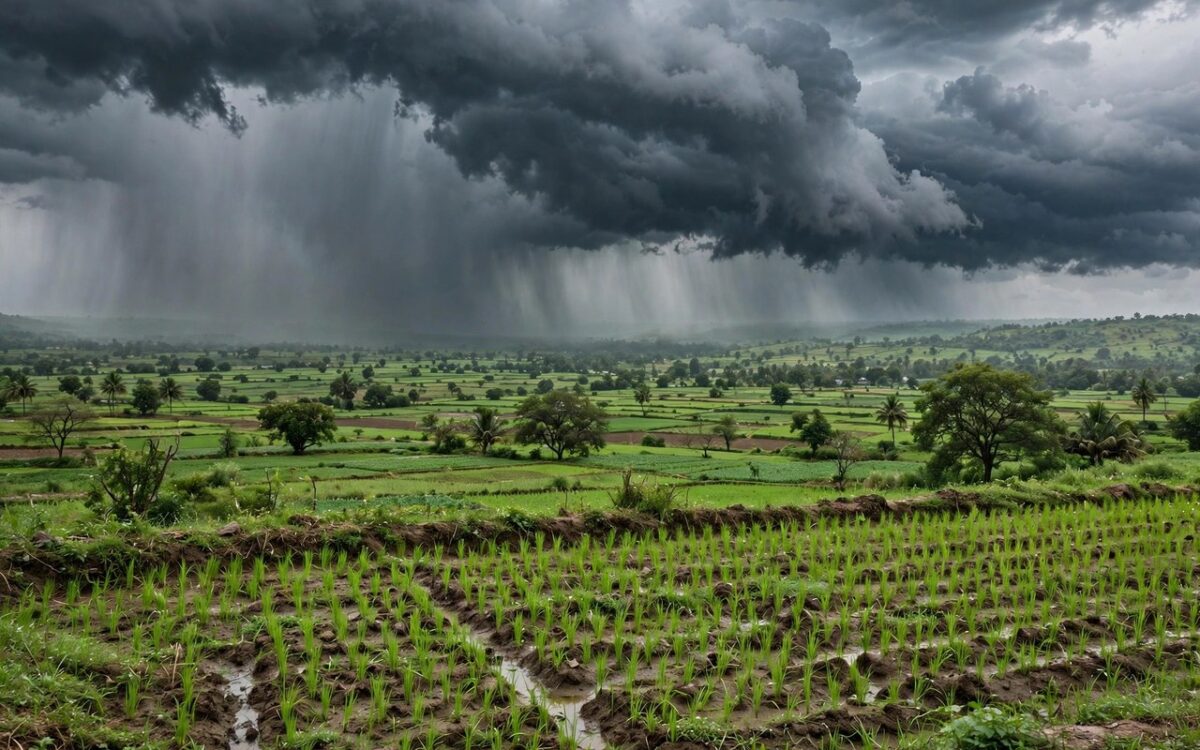
India's 2026 monsoon was the weakest in over a decade. Rainfall stayed below normal through the June-to-September season.
The monsoon is driven by the temperature difference between land and sea. This year, weather patterns worked against strong rains.
A key factor was the state of the Pacific Ocean. Unfavourable sea conditions weakened the winds that carry rain to India.
The rains were also uneven. Some regions got heavy showers while large parts stayed dry. This patchy pattern hurt farming.
A weak monsoon affects nearly half of India's farmland. Crops like rice, pulses and oilseeds depend on these rains.
What does it mean for you? Food prices could rise if harvests fall short. The government is watching reservoir levels and may step in to protect consumers.
Farmers in rain-fed areas suffer the most from weak rains. The government runs crop insurance schemes to support them. Cities also feel the pinch when reservoirs run low. Experts say better water management can reduce the damage. Climate patterns are making monsoons harder to predict.
Related stories
View all →
Bitcoin’s $83,000 rebound explained
Why bitcoin bounced above $83,000: Trump's Iran statement, ETF outflows, and the key levels traders watch.

Starlink Mobile explained: SpaceX’s carrier play
How SpaceX's 800 MHz spectrum deal and 15,000 new satellites could turn Starlink Mobile into a US carrier.

El Nino explained: why Maharashtra is parched
What El Nino is, how it weakens the monsoon, and why it left Maharashtra declaring drought in 265 talukas.

Khabar 24h Editorial Desk — our explainers are prepared by the Khabar 24h editorial team using AI-assisted research tools, and every piece is reviewed by a human editor before publishing. We do not claim original reporting: our work is turning complex topics into simple, accurate summaries. Spotted an error? Write to contact@khabar24h.com — our corrections policy aims for same-day review.
More from this author →
Leave a Reply