Glacial lake floods explained: why Nepal will drain four lakes
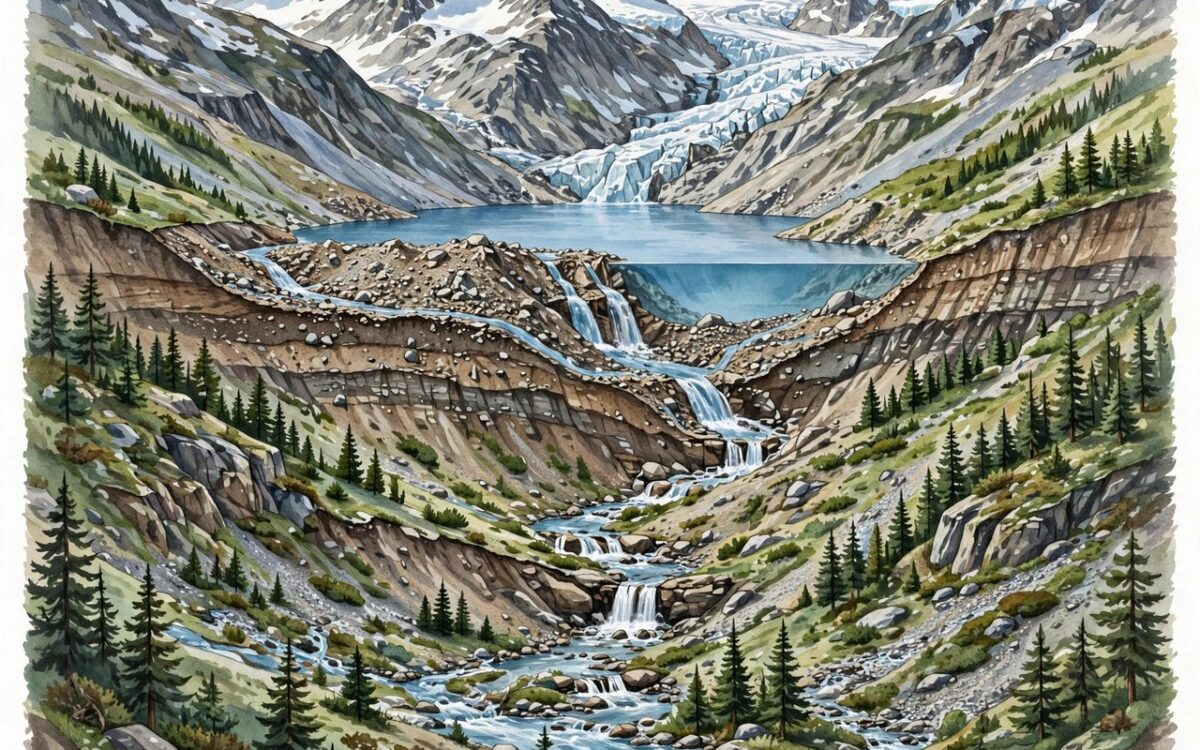
Nepal plans to drain four dangerous glacial lakes after floods killed over 1,400 people. The lakes threaten downstream towns with a glacial lake outburst flood. What does that mean?
A glacial lake outburst flood, or GLOF, happens when a natural dam holding a glacial lake fails. The dams are made of loose rock, ice and sediment. An avalanche, earthquake or rising water pressure can break them.
When the dam fails, millions of litres of water rush downstream in minutes. The flood destroys roads, bridges and villages in its path. Nepal has reported about 26 such floods in four decades.
As glaciers retreat, meltwater collects behind these weak dams and the lakes grow. Draining lowers the water level and reduces pressure on the dam. Nepal will use canals and gated structures at Thulagi, Lower Barun, Lumding Tsho and Hongu II. Sensors and early-warning systems will protect downstream communities. Nepal lowered the Imja lake near Everest ten years ago in a similar operation.
Related stories
View all →
Bitcoin’s $83,000 rebound explained
Why bitcoin bounced above $83,000: Trump's Iran statement, ETF outflows, and the key levels traders watch.

Starlink Mobile explained: SpaceX’s carrier play
How SpaceX's 800 MHz spectrum deal and 15,000 new satellites could turn Starlink Mobile into a US carrier.

El Nino explained: why Maharashtra is parched
What El Nino is, how it weakens the monsoon, and why it left Maharashtra declaring drought in 265 talukas.

Khabar 24h Editorial Desk — our explainers are prepared by the Khabar 24h editorial team using AI-assisted research tools, and every piece is reviewed by a human editor before publishing. We do not claim original reporting: our work is turning complex topics into simple, accurate summaries. Spotted an error? Write to contact@khabar24h.com — our corrections policy aims for same-day review.
More from this author →
Leave a Reply