Why the UP rains turned so deadly, explained
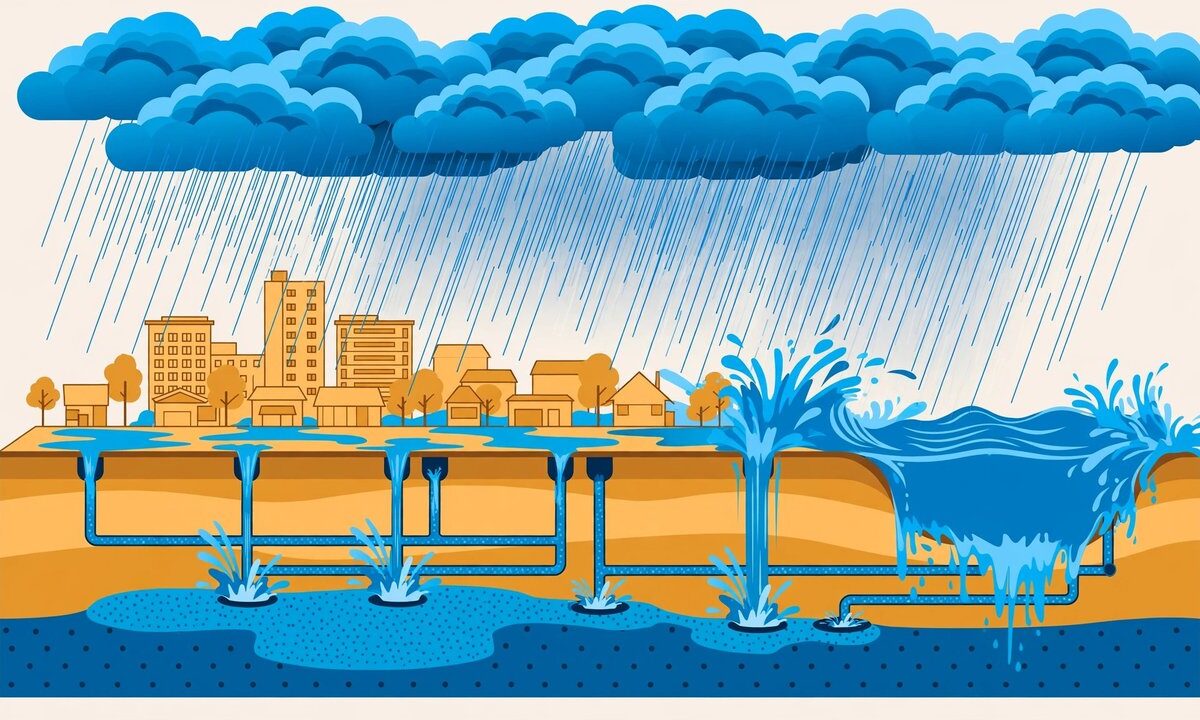
Uttar Pradesh received 66.5 mm of rain against a normal of 7.6 mm — 775% above normal — turning a heavy monsoon spell into a deadly disaster that has killed 81 people. But why did this particular downpour prove so lethal?
Meteorologists point to an active monsoon trough combined with a low-pressure system that stalled over the state, dumping days of rain in a short window. When that much water falls that fast, rivers overtop their banks and drainage systems in towns and cities are overwhelmed within hours.
The human toll is worsened by fragile housing in low-lying areas; between 1,021 and 2,254 houses have been damaged. Floodwaters also cut off roads, slowing rescue teams.
Experts say such extreme rainfall events are becoming more frequent as a warming atmosphere holds more moisture. The state has placed 23 districts on red and yellow alerts and shut schools through September 30, with the death toll at 81 and still rising. Disaster management experts say the episode underlines the need for better urban drainage and early-warning systems as extreme rainfall becomes more common. Residents are advised to avoid flooded roads and follow district advisories until waters recede.
Related stories
View all →
Wheat MSP Raised to ₹2,610: What It Means for Farmers
The Union Cabinet on Wednesday raised the minimum support price (MSP) for wheat to ₹2,610 per quintal for the 2026-27 rabi marketing…

What the Zscaler ransomware surge means for you
Zscaler reports ransomware data theft up 275%. What double extortion means, how the Teams helpdesk scam works, and three basics to protect…

The Bennu asteroid discovery, explained
What the Bennu discovery means: ETH Zurich found the asteroid formed at the solar system's water-ice line, mixing inner and outer system…

Khabar 24h Editorial Desk — our explainers are prepared by the Khabar 24h editorial team using AI-assisted research tools, and every piece is reviewed by a human editor before publishing. We do not claim original reporting: our work is turning complex topics into simple, accurate summaries. Spotted an error? Write to contact@khabar24h.com — our corrections policy aims for same-day review.
More from this author →
Leave a Reply