RBI Rate Hike Explained: What It Means for Your EMI
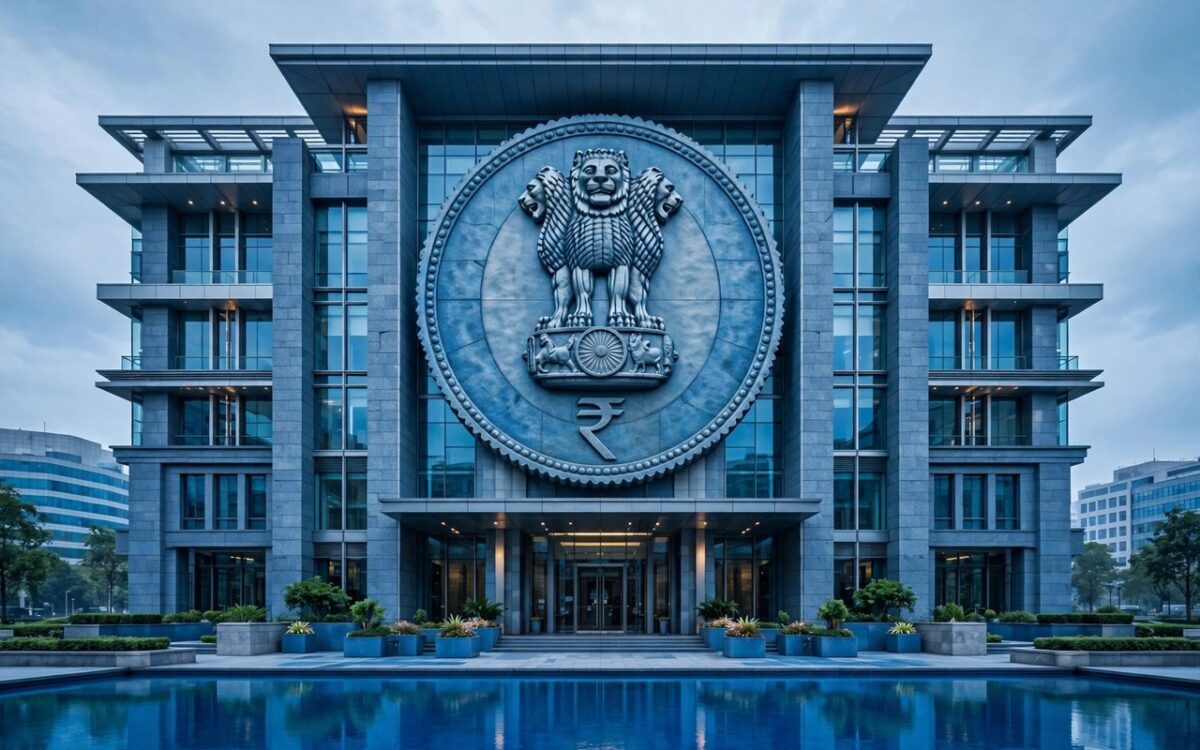
The Reserve Bank of India raised its repo rate by 25 basis points to 5.5 percent on October 7. It is the first hike in nearly four years, and the central bank’s stance has shifted to ‘calibrated tightening’. But what does it mean for you?
The repo rate is the rate at which the RBI lends money to banks. When it rises, banks usually raise the interest they charge on loans. Home loan, car loan and personal loan EMIs are likely to go up in the coming months.
Borrowers with floating-rate loans will feel the change first. A higher EMI means you pay more each month for the same loan amount. New borrowers will also face higher rates.
There is a silver lining for savers. Banks often raise fixed deposit rates after a repo hike, so your savings can earn more.
The RBI acted because inflation is running hot. Consumer inflation hit 4.82 percent in August, above the 4 percent target for the third month in a row. The bank wants to keep prices in check while growth stays strong at 7.8 percent.
Related stories
View all →
Bitcoin’s $83,000 rebound explained
Why bitcoin bounced above $83,000: Trump's Iran statement, ETF outflows, and the key levels traders watch.

Starlink Mobile explained: SpaceX’s carrier play
How SpaceX's 800 MHz spectrum deal and 15,000 new satellites could turn Starlink Mobile into a US carrier.

El Nino explained: why Maharashtra is parched
What El Nino is, how it weakens the monsoon, and why it left Maharashtra declaring drought in 265 talukas.

Khabar 24h Editorial Desk — our explainers are prepared by the Khabar 24h editorial team using AI-assisted research tools, and every piece is reviewed by a human editor before publishing. We do not claim original reporting: our work is turning complex topics into simple, accurate summaries. Spotted an error? Write to contact@khabar24h.com — our corrections policy aims for same-day review.
More from this author →
Leave a Reply