Northeast’s Driest Monsoon in 125 Years: What It Means
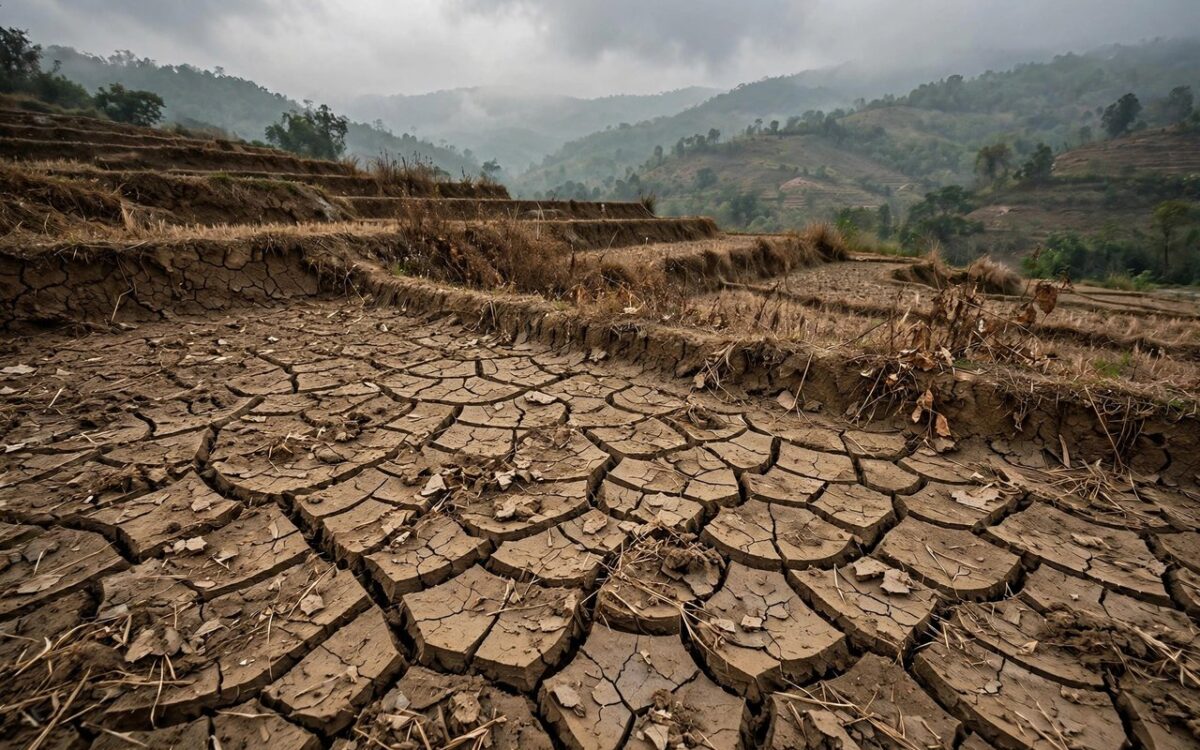
East and Northeast India have just recorded their driest southwest monsoon since records began in 1901, with only 1,017.1 mm of rain this season.
Assam, Meghalaya, and Arunachal Pradesh were the worst hit. All three states recorded deficient rainfall in each of the four monsoon months, June through September, according to IMD data. The region normally counts among India’s wettest. India as a whole also had a below-normal season, ranking 13th lowest since 1901 at 759.4 mm.
A weak monsoon matters more in the Northeast than elsewhere. The region depends on these rains for paddy cultivation, river flows, and drinking water. With the rabi season approaching, farm planners and state governments will be watching soil moisture and reservoir levels closely.
The IMD has forecast below-normal rainfall over most of India in October. But the northeast monsoon, which mainly waters Tamil Nadu, coastal Andhra Pradesh, and Kerala, is expected to arrive around the third week of October, possibly between October 14 and 16.
Why it matters: four straight months of deficit raise the risk of poor crop yields and stressed water supplies heading into winter. The coming northeast monsoon offers only limited relief, as it mainly serves the southern peninsula.
Related stories
View all →
Bitcoin’s $83,000 rebound explained
Why bitcoin bounced above $83,000: Trump's Iran statement, ETF outflows, and the key levels traders watch.

Starlink Mobile explained: SpaceX’s carrier play
How SpaceX's 800 MHz spectrum deal and 15,000 new satellites could turn Starlink Mobile into a US carrier.

El Nino explained: why Maharashtra is parched
What El Nino is, how it weakens the monsoon, and why it left Maharashtra declaring drought in 265 talukas.

Khabar 24h Editorial Desk — our explainers are prepared by the Khabar 24h editorial team using AI-assisted research tools, and every piece is reviewed by a human editor before publishing. We do not claim original reporting: our work is turning complex topics into simple, accurate summaries. Spotted an error? Write to contact@khabar24h.com — our corrections policy aims for same-day review.
More from this author →
Leave a Reply