Monsoon withdrawal begins: what it means for India, explained
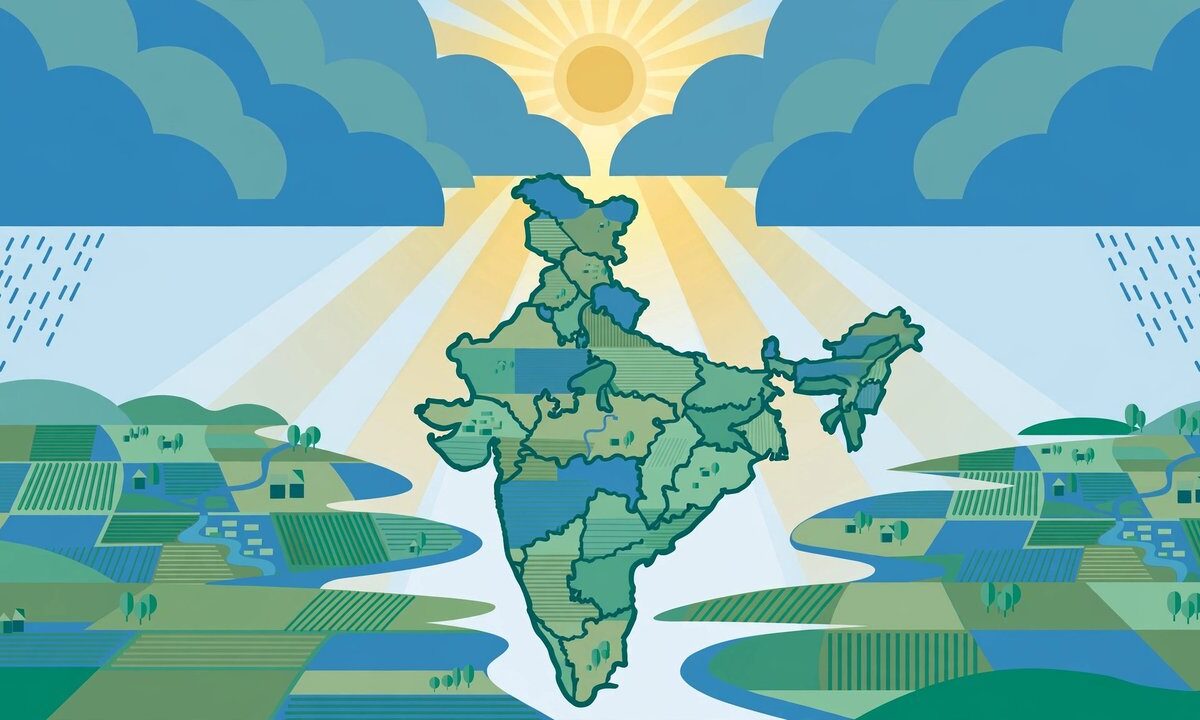
India’s southwest monsoon has begun its withdrawal, with the retreat starting from Rajasthan on September 19, about two days later than the normal date of September 17.
The withdrawal line is currently anchored along Gurdaspur, Chandigarh, Muzaffarnagar, Aligarh, Dholpur, Udaipur, Deesa and Naliya. The India Meteorological Department says the monsoon will withdraw from more parts of northwest, central and eastern India in the first week of October, with complete withdrawal expected only after October 1.
This season has been marked by sharp regional contrasts. As many as 327 of India’s 792 districts received deficient rainfall, while other regions saw excess rain and flooding. Paddy acreage is down 3.7 per cent, reflecting the uneven spread.
For the months ahead, the IMD expects above-normal rainfall over the southern peninsula during October to December, likely exceeding 112 per cent of the long-period average, as the northeast monsoon sets in around mid-October.
The withdrawal phase is crucial for the kharif harvest and the sowing of rabi crops, and farmers are watching the retreat closely for its impact on soil moisture and reservoir levels.
Related stories
View all →
What is the SIR of electoral rolls? The row explained
What is the Special Intensive Revision of electoral rolls, why the opposition alleges wrongful deletions, and what the EC says. The row…

Compound archery at LA28 Olympics: everything explained
Compound archery debuts at LA28 with a mixed-team event. Here's the schedule, format, venue and why India is a gold favourite.
US Senate passes Protect College Sports Act: explained
The US Senate passed the Protect College Sports Act 77-22. Here's what the bill does for college athlete pay and what happens…

Khabar 24h Editorial Desk — our explainers are prepared by the Khabar 24h editorial team using AI-assisted research tools, and every piece is reviewed by a human editor before publishing. We do not claim original reporting: our work is turning complex topics into simple, accurate summaries. Spotted an error? Write to contact@khabar24h.com — our corrections policy aims for same-day review.
More from this author →
Leave a Reply