India’s weak monsoon explained: what 87% means
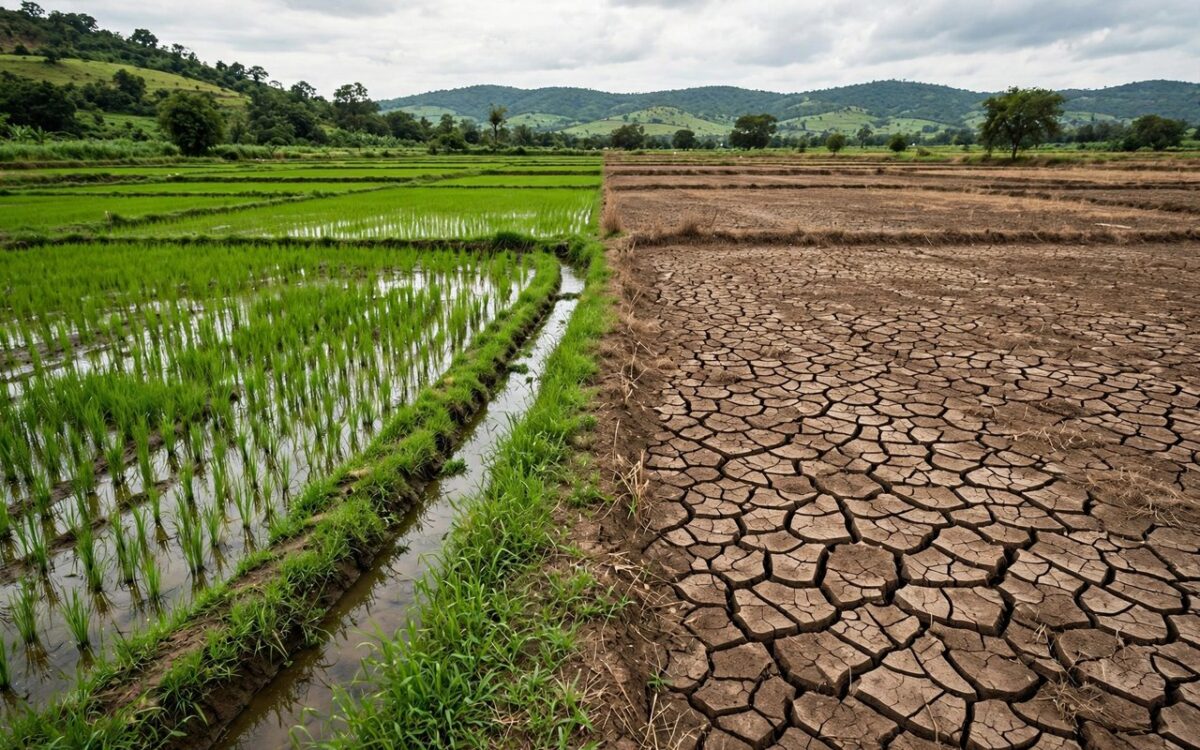
India's 2026 monsoon delivered 759.4 mm of rain, 87 per cent of the long-period average. Here is what that number means.
The IMD classifies below 90 per cent as deficient. At 87 per cent, this is the fourth-weakest monsoon since 2001 and the 13th weakest since 1901. It is the first deficient monsoon since 2015.
What caused it? El Nino conditions in the Pacific, which typically suppress Indian rainfall. The season was uneven: June got just 65 per cent of normal rain, July bounced to 101 per cent, then August and September slipped to 84 and 92 per cent. The Northeast suffered its driest monsoon since 1901.
What happens next? A weak monsoon hits winter crop sowing in rain-fed areas and strains reservoir levels. The IMD also expects below-normal rain in October.
The bigger picture: deficient monsoons can push up food inflation and rural distress. Water managers and policymakers will be watching storage levels and rabi sowing closely in the coming weeks.
Related stories
View all →
Bitcoin’s $83,000 rebound explained
Why bitcoin bounced above $83,000: Trump's Iran statement, ETF outflows, and the key levels traders watch.

Starlink Mobile explained: SpaceX’s carrier play
How SpaceX's 800 MHz spectrum deal and 15,000 new satellites could turn Starlink Mobile into a US carrier.

El Nino explained: why Maharashtra is parched
What El Nino is, how it weakens the monsoon, and why it left Maharashtra declaring drought in 265 talukas.

Khabar 24h Editorial Desk — our explainers are prepared by the Khabar 24h editorial team using AI-assisted research tools, and every piece is reviewed by a human editor before publishing. We do not claim original reporting: our work is turning complex topics into simple, accurate summaries. Spotted an error? Write to contact@khabar24h.com — our corrections policy aims for same-day review.
More from this author →
Leave a Reply