India’s weak monsoon explained: what it means for the rabi crop
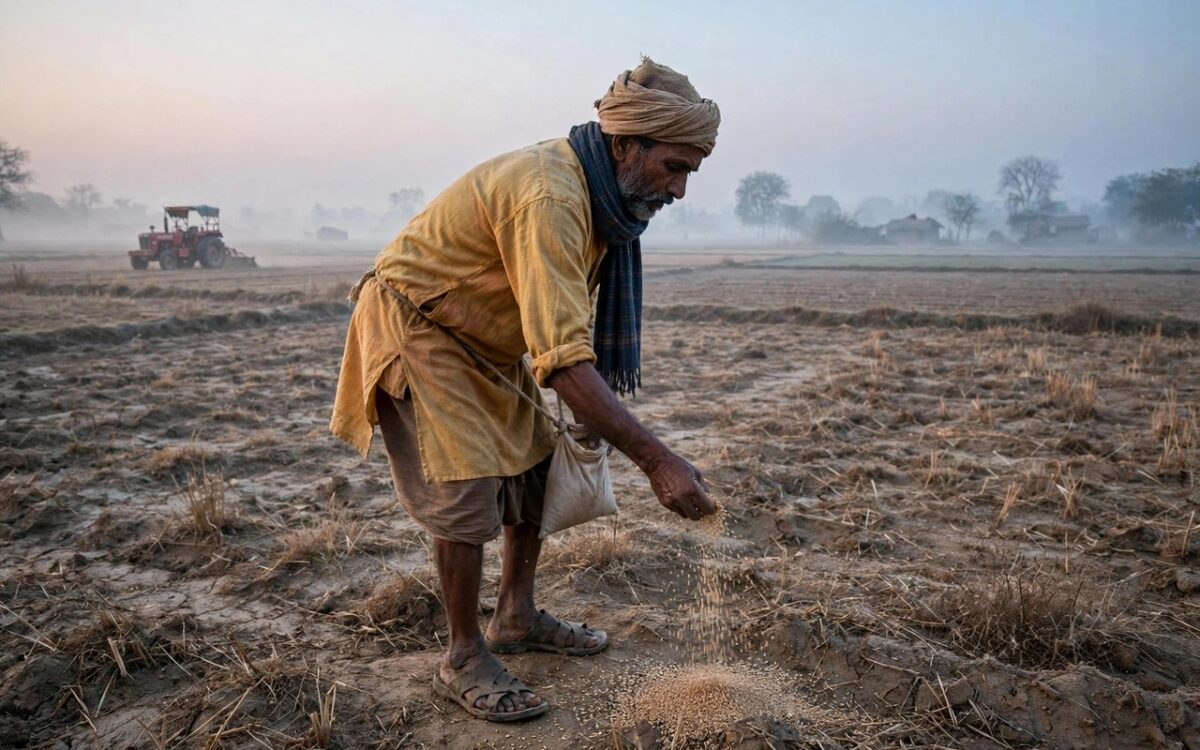
The 2026 monsoon ended about 12.6 per cent below normal, the weakest since 2015. Now attention turns to the rabi season, when wheat, mustard, pulses and oilseeds are sown starting in October.
A deficient monsoon can hurt rabi through low residual soil moisture, weak reservoir levels and poor groundwater recharge. The 178 major reservoirs hold about 70 per cent of capacity, a decade low.
Agriculture Secretary Atish Chandra told a national conference on September 28 that rainfed areas will find rabi sowing challenging because of the El Nino pattern. He said some states face excess soil moisture while others face prolonged dryness.
The Centre has asked states to plan district by district. Minister Shivraj Singh Chouhan advised areas with little irrigation to prefer pulses and oilseeds, which need less water. Teams are being sent to Karnataka and Maharashtra for on-ground assessment.
The last time the monsoon fell below 90 per cent of average was 2015, also a strong El Nino year. What happens with October rain and winter sowing will decide how much weakness carries into 2027.
Related stories
View all →
Bitcoin’s $83,000 rebound explained
Why bitcoin bounced above $83,000: Trump's Iran statement, ETF outflows, and the key levels traders watch.

Starlink Mobile explained: SpaceX’s carrier play
How SpaceX's 800 MHz spectrum deal and 15,000 new satellites could turn Starlink Mobile into a US carrier.
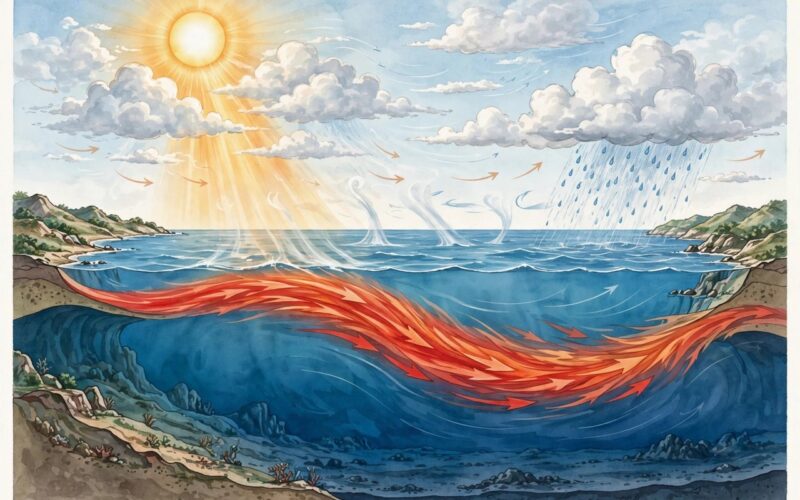
El Nino explained: why Maharashtra is parched
What El Nino is, how it weakens the monsoon, and why it left Maharashtra declaring drought in 265 talukas.

Khabar 24h Editorial Desk — our explainers are prepared by the Khabar 24h editorial team using AI-assisted research tools, and every piece is reviewed by a human editor before publishing. We do not claim original reporting: our work is turning complex topics into simple, accurate summaries. Spotted an error? Write to contact@khabar24h.com — our corrections policy aims for same-day review.
More from this author →
Leave a Reply