Monsoon 2026: What a 13% Deficit Means for India
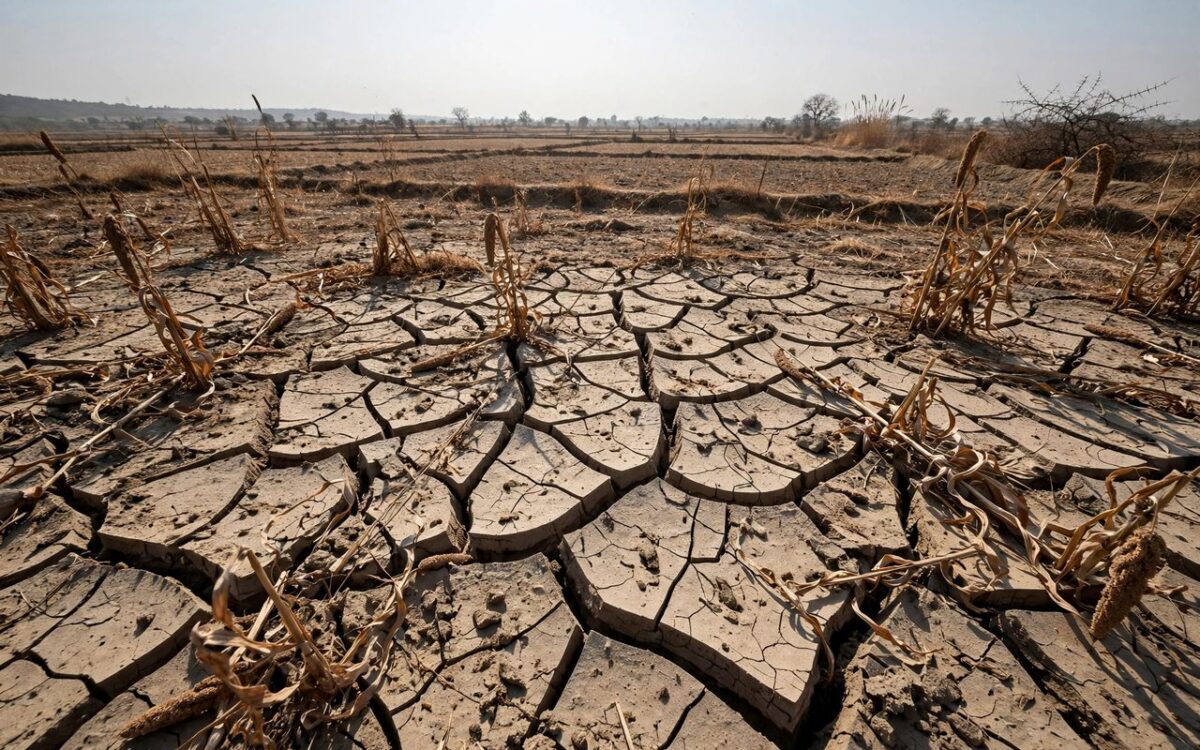
The 2026 monsoon season ended on September 30 with rainfall at 87 per cent of the long-period average, a 13 per cent deficit that makes it one of the weakest seasons in over a decade. Fifteen states and Union territories received below-normal rainfall, and 313 of India’s 741 districts were classified as deficient. The southern peninsula was the worst hit, with a 24 per cent shortfall. A weak monsoon affects kharif crop output, reservoir levels and rural demand, and can push up food prices. It also raises the burden on winter rabi crops and groundwater. The IMD attributed the shortfall to unfavourable weather patterns during the crucial July-August period. Economists will be watching the impact on agricultural growth and rural incomes. Context: India receives about 70 per cent of its annual rainfall during the four-month monsoon season, and agriculture employs nearly half the workforce. The IMD will release its final monsoon assessment in the coming days.
Related stories
View all →
India’s Archery Gold Rush Explained: What the LA28 Quota Means
India's Asian Games archery sweep explained: three golds, the world record, and what the LA28 Olympic quota place means.

Why Budget Phones Are Getting Expensive: The Chip Shortage Explained
Budget phones getting expensive explained: AI data centres, DRAM prices, Counterpoint's 40% forecast and what buyers can do.

Pashudhan Bima Portal Explained: How Farmers Insure Livestock
Pashudhan Bima Portal explained: eligibility, 15% premium for small farmers, 13 languages, claims process and RFID tagging.

Khabar 24h Editorial Desk — our explainers are prepared by the Khabar 24h editorial team using AI-assisted research tools, and every piece is reviewed by a human editor before publishing. We do not claim original reporting: our work is turning complex topics into simple, accurate summaries. Spotted an error? Write to contact@khabar24h.com — our corrections policy aims for same-day review.
More from this author →
Leave a Reply