Iraq’s militia disarmament drive explained
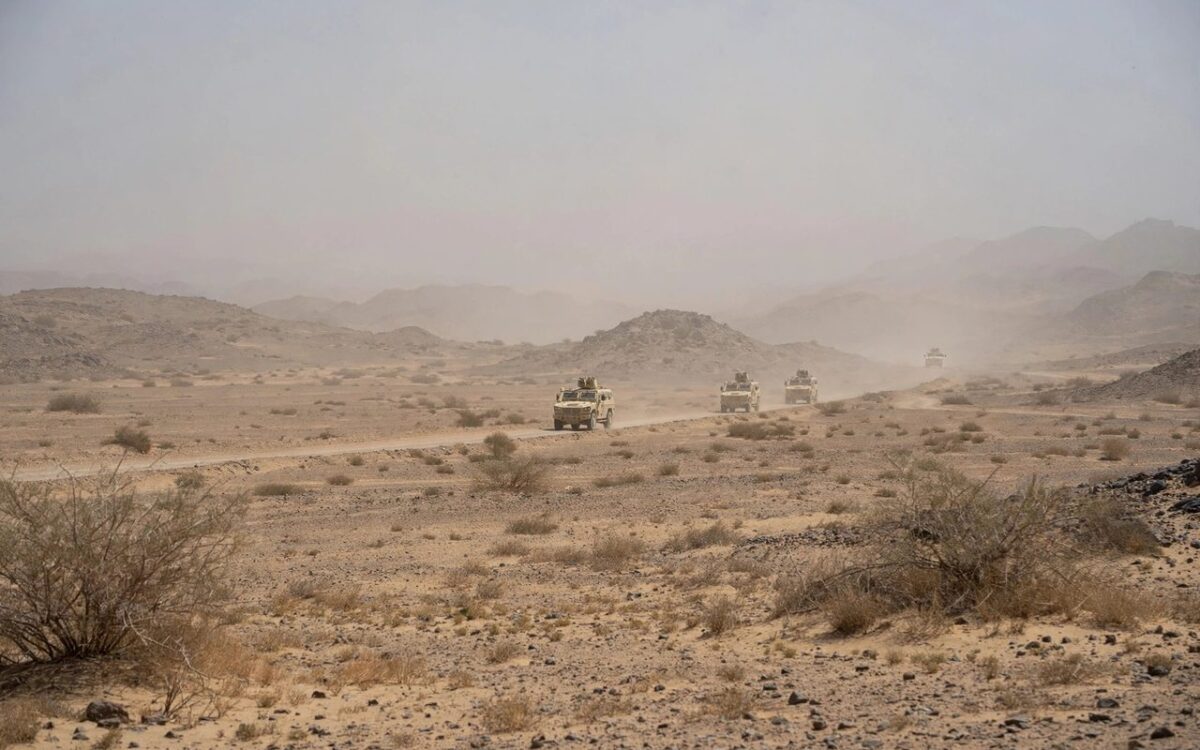
Iraq has given itself until June 2027 to bring all weapons under state control. Here is what the disarmament drive is about.
After the Islamic State rose in 2014, Iraq’s government mobilised volunteer fighters into the Popular Mobilization Forces. Many of these factions are aligned with Iran. They helped defeat ISIS but kept their weapons and influence afterwards.
Baghdad’s plan was simple: once the US-led coalition left Iraq, the militias would lose their main reason for staying armed. The coalition’s mission formally ended on October 1, 2026.
The logic did not hold. By the original September 30 deadline, only two prominent factions had agreed to disarm. Powerful groups including Kataib Hezbollah refused, saying they were not bound by any government timetable.
The new plan starts with a 90-day ceasefire, then moves to weapons surrender or integration into state forces. Prime Minister Ali al-Zaidi framed it as a constitutional duty, saying only the state can decide war and peace.
The stakes are regional. The US and Iran are at war, and US officials say the holdout militias keep rockets, missiles and drones that can threaten American personnel across the region.
Related stories
View all →
Bitcoin’s $83,000 rebound explained
Why bitcoin bounced above $83,000: Trump's Iran statement, ETF outflows, and the key levels traders watch.

Starlink Mobile explained: SpaceX’s carrier play
How SpaceX's 800 MHz spectrum deal and 15,000 new satellites could turn Starlink Mobile into a US carrier.

El Nino explained: why Maharashtra is parched
What El Nino is, how it weakens the monsoon, and why it left Maharashtra declaring drought in 265 talukas.

Khabar 24h Editorial Desk — our explainers are prepared by the Khabar 24h editorial team using AI-assisted research tools, and every piece is reviewed by a human editor before publishing. We do not claim original reporting: our work is turning complex topics into simple, accurate summaries. Spotted an error? Write to contact@khabar24h.com — our corrections policy aims for same-day review.
More from this author →
Leave a Reply