Weak Monsoon Explained: How It Could Push Up Your Food Bills
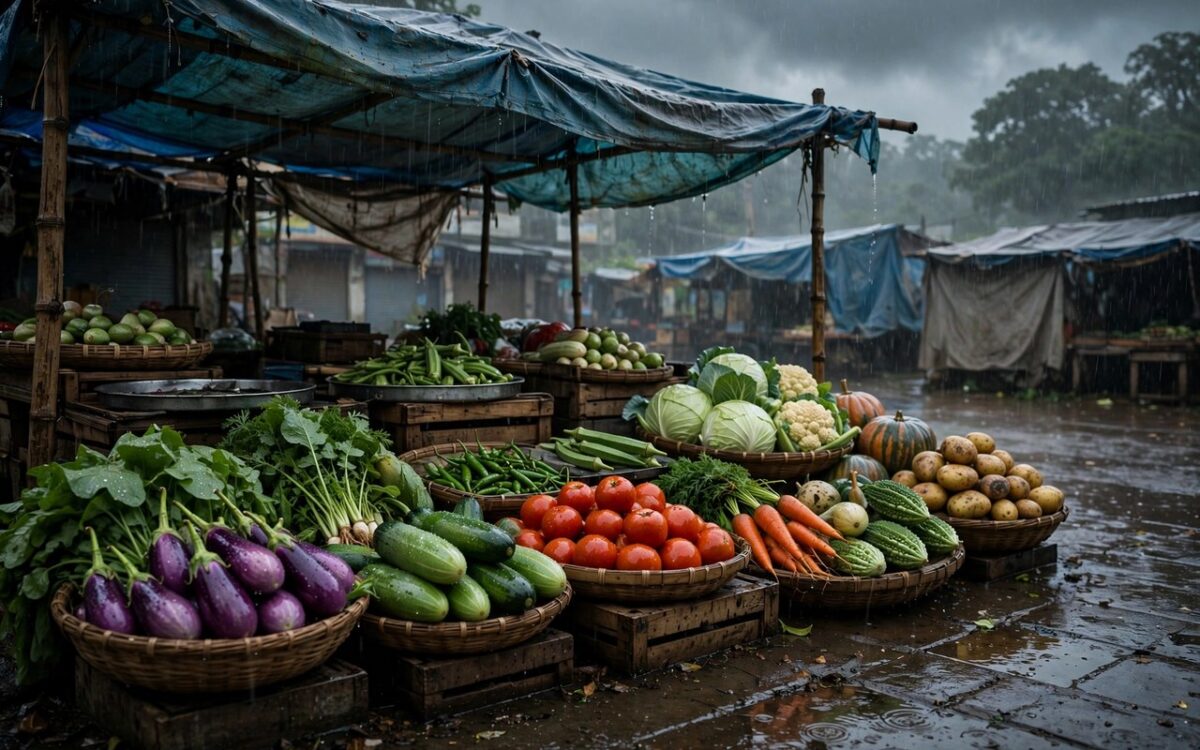
India’s 2026 monsoon ended 12.6 percent below average, the fourth-lowest since 2001. Here is how the weak rains travel from farms to your food bills.
The monsoon waters nearly half of India’s farmland that lacks irrigation. Kharif acreage fell 1.2 percent to 110.8 million hectares, with paddy planting down 16.32 lakh hectares. The USDA has cut India’s rice estimate to 147 million tonnes from 154 million tonnes. Pulses, edible oils and cotton face the sharpest price exposure.
Rice may hold steadier because government buffer stocks can cushion the shortfall. But festival season demand for sugar, rice, oils and sweets is rising, and the government has allowed duty-free imports of one million tonnes of raw sugar after domestic prices jumped.
Economists warn food inflation could push overall inflation toward 5.5 percent if the pressure builds. October is also forecast drier than normal, so the next watchpoint is the rabi sowing season and whether winter rains arrive on time.
Related stories
View all →
Bitcoin’s $83,000 rebound explained
Why bitcoin bounced above $83,000: Trump's Iran statement, ETF outflows, and the key levels traders watch.

Starlink Mobile explained: SpaceX’s carrier play
How SpaceX's 800 MHz spectrum deal and 15,000 new satellites could turn Starlink Mobile into a US carrier.

El Nino explained: why Maharashtra is parched
What El Nino is, how it weakens the monsoon, and why it left Maharashtra declaring drought in 265 talukas.

Khabar 24h Editorial Desk — our explainers are prepared by the Khabar 24h editorial team using AI-assisted research tools, and every piece is reviewed by a human editor before publishing. We do not claim original reporting: our work is turning complex topics into simple, accurate summaries. Spotted an error? Write to contact@khabar24h.com — our corrections policy aims for same-day review.
More from this author →
Leave a Reply