Diabetes Drug May Protect Heart by Cutting Inflammation
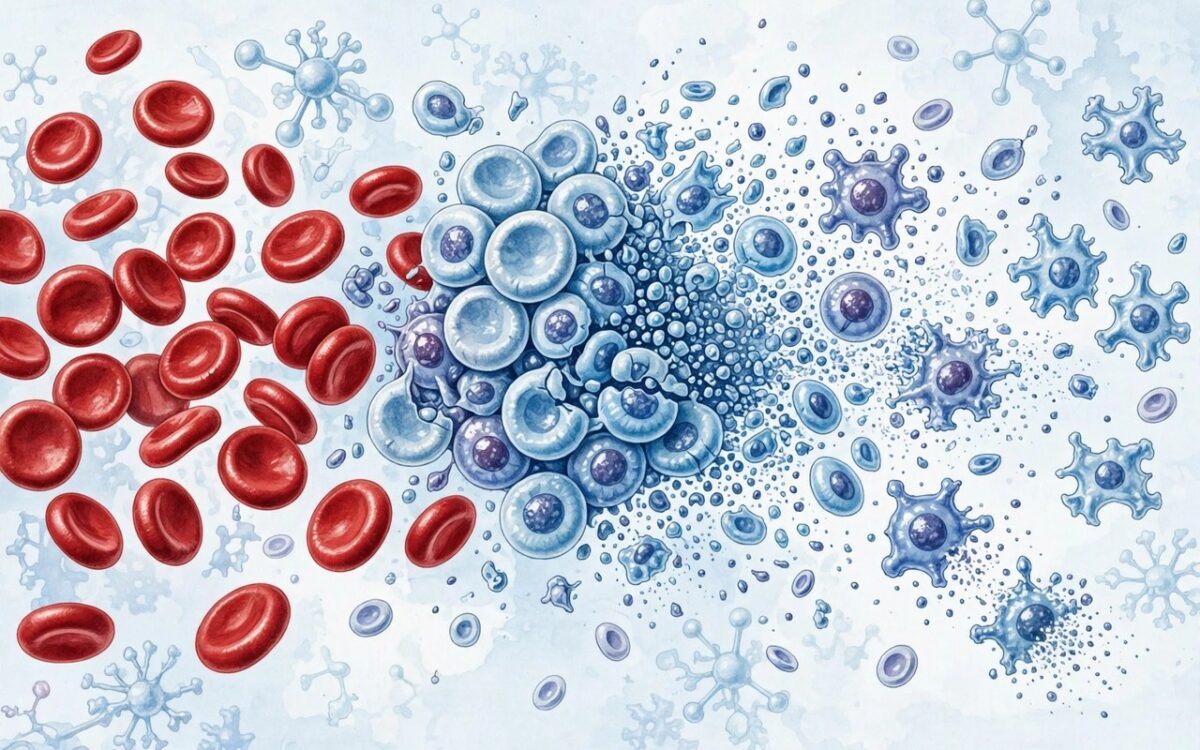
A common diabetes drug may protect the heart in a surprising new way. A Vanderbilt University pilot study found that empagliflozin sharply lowers inflammatory cell clumps in the blood. These clumps, called monocyte-platelet aggregates, are known to fuel vascular inflammation and heart disease.
Researchers treated 16 women with obesity and prediabetes for three months. Within just two weeks, the inflammatory clumps dropped clearly. By week 12, the reduction was even stronger. Only the group taking the drug saw the benefit. A comparison group that followed a low-calorie diet did not show the same change.
The team also documented what they call metabolic reprogramming of immune cells. The monocytes shifted from a hyperinflammatory state to a calmer, more stable one focused on normal energy use. Advanced genetic sequencing and cellular imaging backed the findings.
The results were published in the journal Circulation in October 2026. Lead researcher Dr Mona Mashayekhi said this is the first direct proof in humans that this drug class alters immune cells. A larger placebo-controlled trial with 74 participants is now enrolling at Vanderbilt. Doctors caution the study was small, and heart protection is inferred from lower inflammation, not yet proven in hard outcomes.
Related stories
View all →
Bitcoin’s $83,000 rebound explained
Why bitcoin bounced above $83,000: Trump's Iran statement, ETF outflows, and the key levels traders watch.

Starlink Mobile explained: SpaceX’s carrier play
How SpaceX's 800 MHz spectrum deal and 15,000 new satellites could turn Starlink Mobile into a US carrier.

El Nino explained: why Maharashtra is parched
What El Nino is, how it weakens the monsoon, and why it left Maharashtra declaring drought in 265 talukas.

Khabar 24h Editorial Desk — our explainers are prepared by the Khabar 24h editorial team using AI-assisted research tools, and every piece is reviewed by a human editor before publishing. We do not claim original reporting: our work is turning complex topics into simple, accurate summaries. Spotted an error? Write to contact@khabar24h.com — our corrections policy aims for same-day review.
More from this author →
Leave a Reply