Daylight Saving Time Explained: Why the US Still Changes Clocks
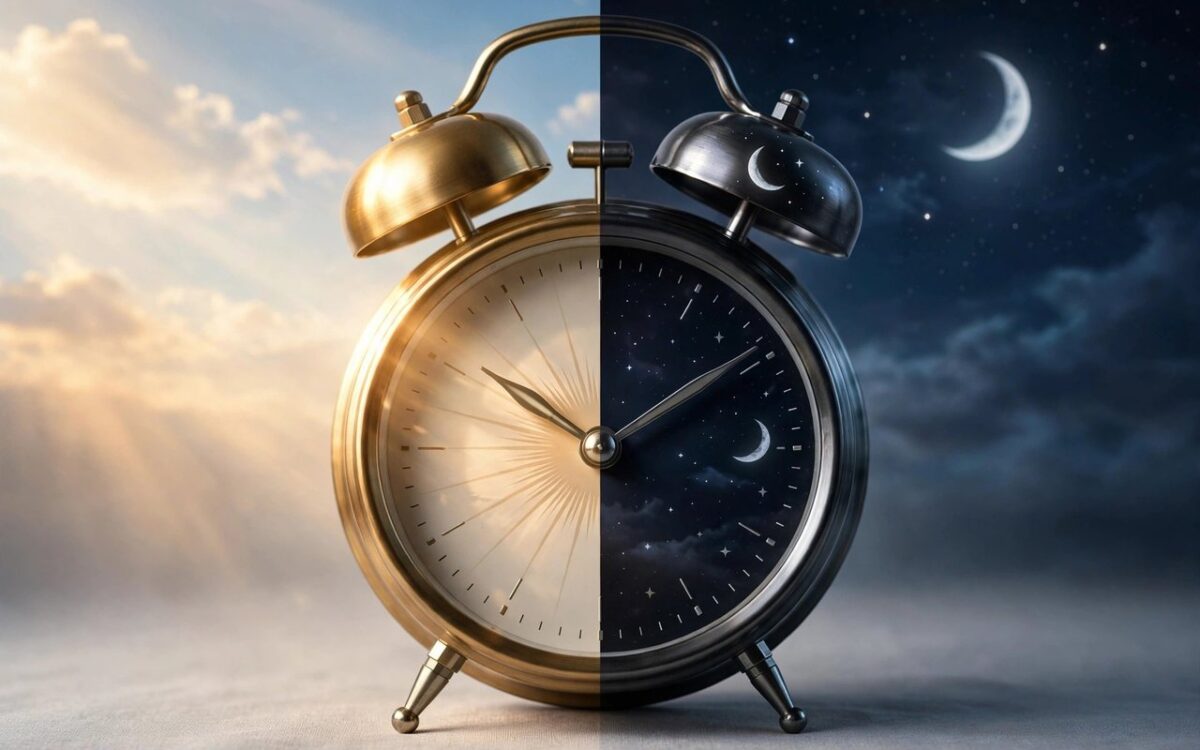
Americans will turn their clocks back one hour on November 1, 2026, as daylight saving time ends. But why does the clock change still happen, and why can’t the US just pick one time? Here is the full picture.
Daylight saving time was introduced to make better use of evening daylight and save energy. In spring, clocks move forward an hour; in autumn, they move back. The Sunshine Protection Act, which would make daylight time permanent, passed the House 308-117 on July 14 but is now stuck in the Senate, blocked by Senator Tom Cotton.
Cotton argues permanent daylight time would force children to wait for school buses in winter darkness. Health experts are split: some say darker mornings disrupt sleep, while others say the clock switches themselves cause accidents and heart problems. With the Senate adjourned until after the November 3 midterms, Americans will keep springing forward and falling back for at least another year.
Related stories
View all →
Bitcoin’s $83,000 rebound explained
Why bitcoin bounced above $83,000: Trump's Iran statement, ETF outflows, and the key levels traders watch.

Starlink Mobile explained: SpaceX’s carrier play
How SpaceX's 800 MHz spectrum deal and 15,000 new satellites could turn Starlink Mobile into a US carrier.

El Nino explained: why Maharashtra is parched
What El Nino is, how it weakens the monsoon, and why it left Maharashtra declaring drought in 265 talukas.

Khabar 24h Editorial Desk — our explainers are prepared by the Khabar 24h editorial team using AI-assisted research tools, and every piece is reviewed by a human editor before publishing. We do not claim original reporting: our work is turning complex topics into simple, accurate summaries. Spotted an error? Write to contact@khabar24h.com — our corrections policy aims for same-day review.
More from this author →
Leave a Reply