Smart TV Buying Guide: How to Choose the Right Size, Panel and OS in India
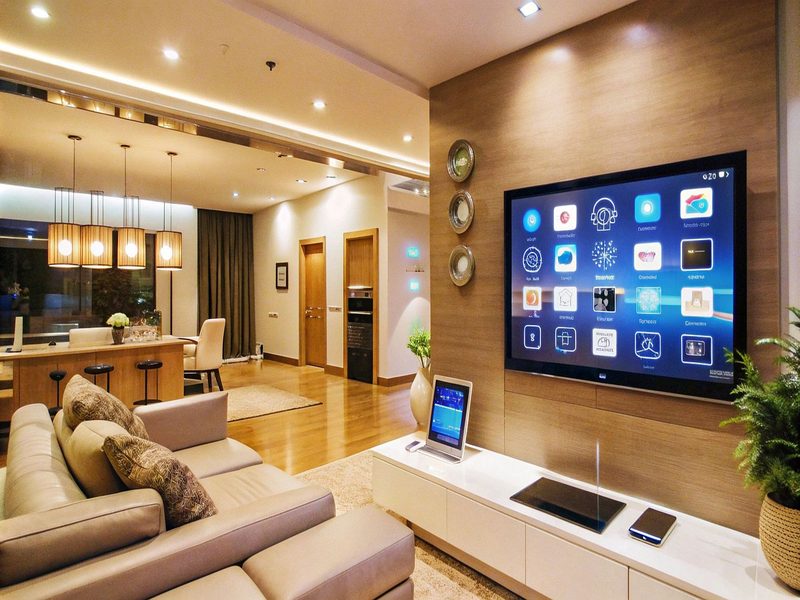
TV shopping in India is a specification minefield: QLED, OLED, Mini LED, 4K, 120Hz, Dolby Vision, webOS, Google TV, sizes from 32 to 98 inches and prices from 15,000 to several lakhs. Yet most buyers end up watching the same streaming apps in the same living room. This guide strips away the noise, explaining how to choose the right size, panel technology and operating system for your room, your viewing habits and your budget.
Size: the most important decision
Size matters more than any other specification, and most people buy too small. The right size depends on viewing distance: measure the distance from your sofa to the TV in inches and divide by roughly 1.5 to 2 for 4K content. In practice, for a typical Indian living room with 8 to 10 feet of viewing distance, 55 inches is the sweet spot, with 65 inches ideal if the room allows. For bedrooms at 6 to 8 feet, 43 to 50 inches works well. Do not fear going bigger: with 4K resolution, pixels are invisible at normal distances even on large screens, and nobody ever complains their TV is too big after a month. Measure your wall and console first; the TV must physically fit, with ventilation space around it.
Panel technology: LED, QLED, Mini LED and OLED
All mainstream TVs are LCD-based except OLED, and the backlight defines the tiers. Basic LED TVs use simple backlighting; they are affordable and perfectly watchable but offer modest contrast. QLED adds a quantum-dot film for richer, brighter colours; a meaningful step up for bright Indian living rooms. Mini LED uses thousands of tiny dimming zones for dramatically better contrast and HDR, approaching OLED’s depth while staying brighter. OLED gives every pixel its own light for perfect blacks and infinite contrast, the best picture quality available, with the caveats of higher price and some burn-in risk with static content. For bright rooms, QLED or Mini LED’s brightness wins; for dedicated movie watching in dim rooms, OLED is unmatched.
Resolution, refresh rate and HDR
Three specifications complete the picture. Resolution: 4K is the standard worth buying; 8K content barely exists and the premium is wasted. Refresh rate: 60Hz is fine for movies and shows, while 120Hz benefits sports and gaming with smoother motion; gamers should also check HDMI 2.1 ports and variable refresh rate support. HDR, high dynamic range, matters more than resolution for picture quality: it expands the range from dark to bright, making images dramatically more lifelike. Look for Dolby Vision and HDR10+ support, and remember that HDR quality depends on peak brightness; a dim TV cannot do HDR justice regardless of badges. Prioritise HDR performance over 8K every time.
Operating system and smart features
The OS determines your daily experience.
- Google TV: the widest app support in India, including all major streaming services, with good voice search.
- webOS (LG): polished, fast interface with a clever magic remote.
- Tizen (Samsung): smooth and full-featured within Samsung’s ecosystem.
- Fire TV: strong for Prime Video households, built into many affordable TVs.
- Proprietary systems on budget TVs: check specifically that your must-have apps are available.
Verify that Disney+ Hotstar, JioCinema, Netflix, Prime Video and YouTube all run well on your shortlisted model; app gaps on obscure platforms are the classic budget-TV regret. A streaming stick can fix software shortcomings later, but not a bad panel.
Sound, connectivity and India-specific tips
Thin TVs mean thin sound; budget for a soundbar if movie audio matters to you, since even expensive TVs sound mediocre alone. Check HDMI ARC or eARC for soundbar connection, enough HDMI ports for your devices, and optical audio output. For Indian conditions, consider voltage stabiliser needs in fluctuation-prone areas and the service network of the brand; TVs are serviced at home, so local service quality matters. Wall-mount or stand? Mounting saves space and looks clean but complicates port access; decide before the technician arrives. And during festival sales, prices drop substantially; patience is the best TV-buying strategy.
FAQs
Is OLED burn-in a real concern? For varied viewing, modern OLEDs with pixel-shift protection are fine. Avoid them only if you watch the same news channel logo for many hours daily.
What size TV for a 10-foot viewing distance? 55 to 65 inches for 4K. Larger is better within your wall and budget constraints.
Do I need 120Hz? For movies and shows, no. For sports and gaming, yes, it is a visible upgrade.
Buy the biggest good-panel TV your room fits, prioritise HDR and brightness over 8K, confirm your apps run on its OS, and plan for a soundbar. The rest is decoration.
Source: RTINGS

Khabar 24h Editorial Desk — our explainers are prepared by the Khabar 24h editorial team using AI-assisted research tools, and every piece is reviewed by a human editor before publishing. We do not claim original reporting: our work is turning complex topics into simple, accurate summaries. Spotted an error? Write to contact@khabar24h.com — our corrections policy aims for same-day review.
More from this author →